Last updated November 17, 2026
Free written scope consultation - allowances, timeline, and change-order rules on paper before a single trade is scheduled
Choosing the Right Construction Brand: A Buyer’s Guide for Enterprise
A paver sealer rated for “heavy UV exposure” in a California lab and that same sealer curing on a driveway in Enterprise, NV are not performing under the same conditions, and the test standard doesn’t require Mojave-equivalent sun, heat or soil chemistry to earn that label. That gap between what a spec sheet promises and what Southern Nevada actually delivers is where most brand decisions go wrong. This guide is about closing it: how to read product specs for the numbers that matter here, where premium brands genuinely outperform house brands, and when a substitution is worth pushing back on. We’ll walk through it the way we specify materials at Enterprise Construction Co.
Quick Answer
The right construction brand in Enterprise is the one whose spec sheet proves performance under local conditions: UV resistance measured for intense sun, thermal expansion tolerances suited to big desert temperature swings, alkaline-soil and admixture compatibility for concrete and hardscape, and VOC levels that meet Nevada air quality rules. Prestige matters less than documented local fitness. Match the brand to the climate first, the budget second, and the marketing last.
Styles & brands we work with
- Kitchen remodeling
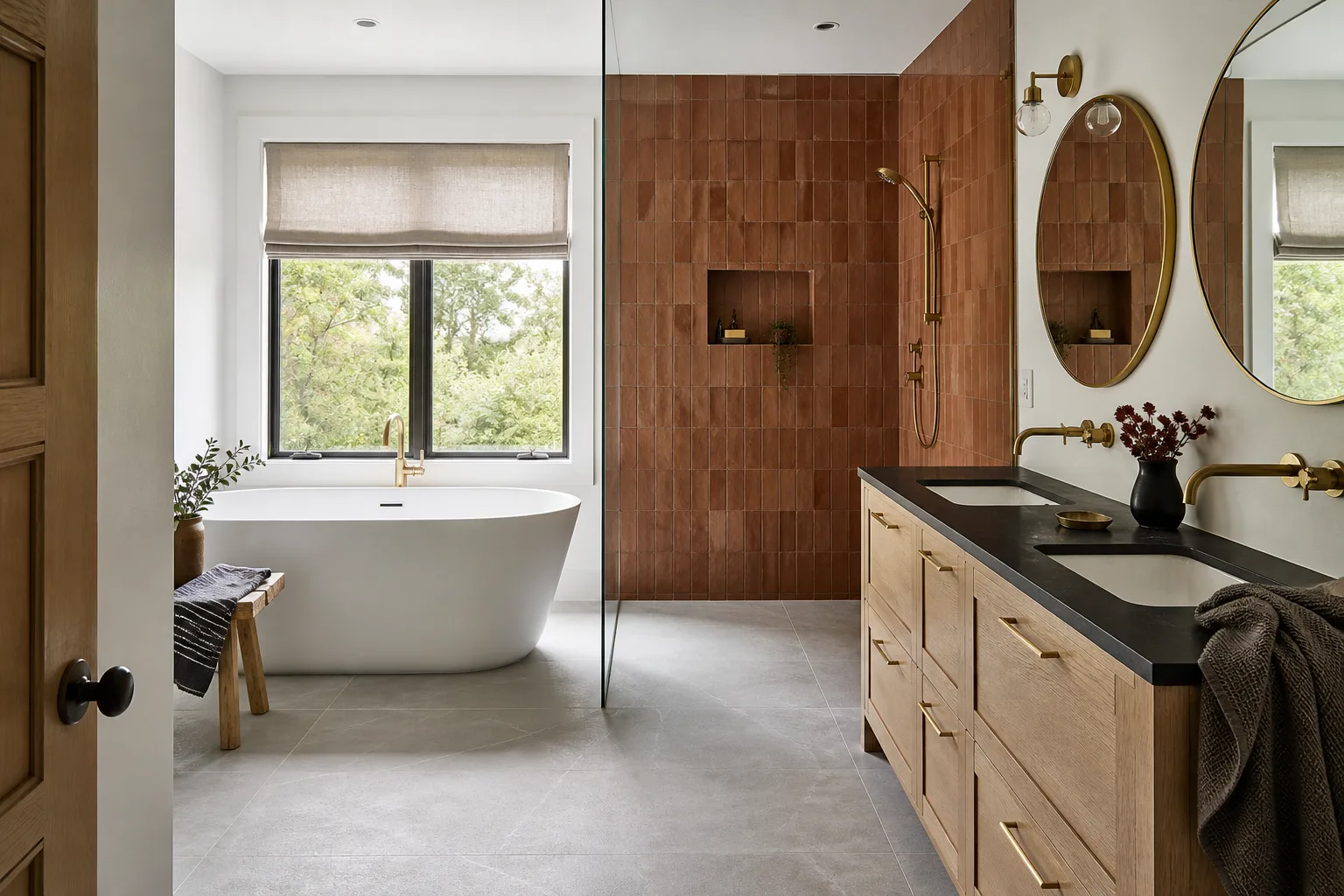
- Bathroom remodeling
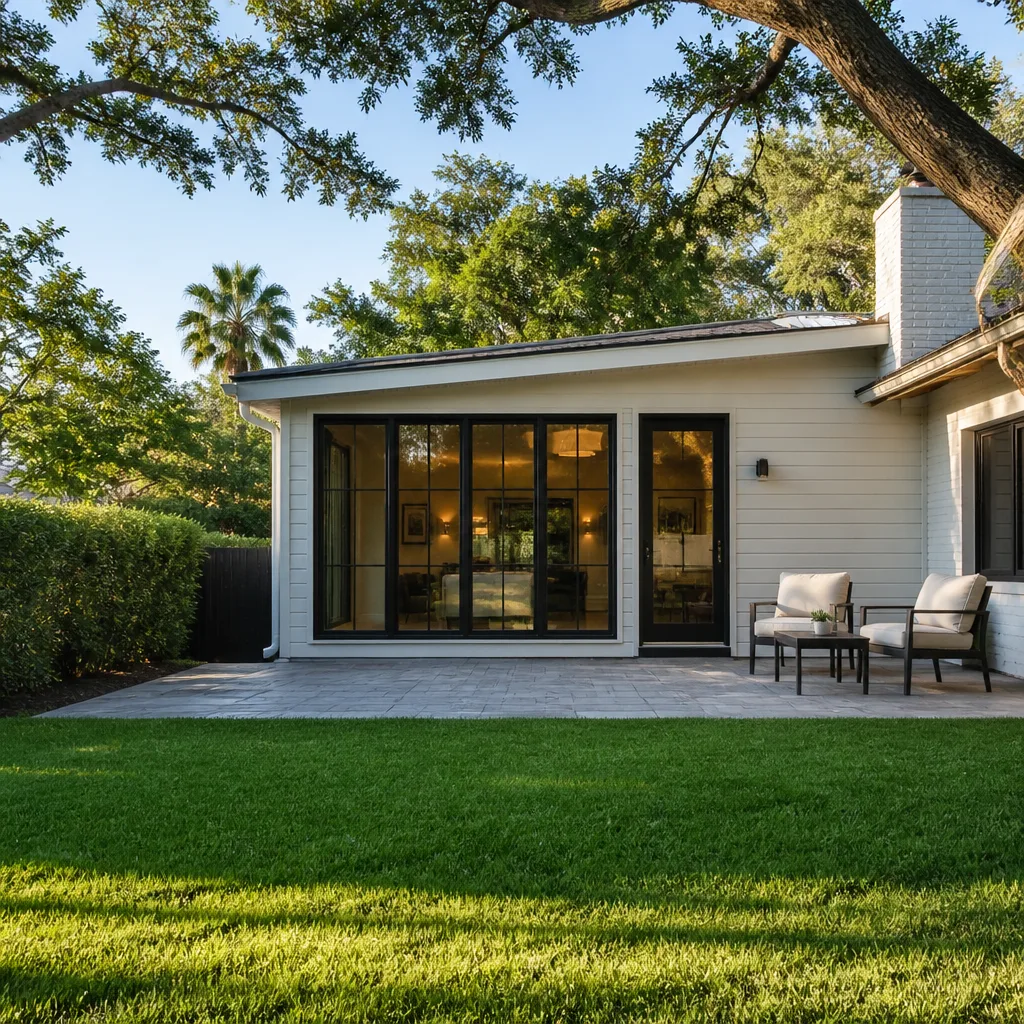
- Home additions & ADU
- Roofing
- Windows & doors
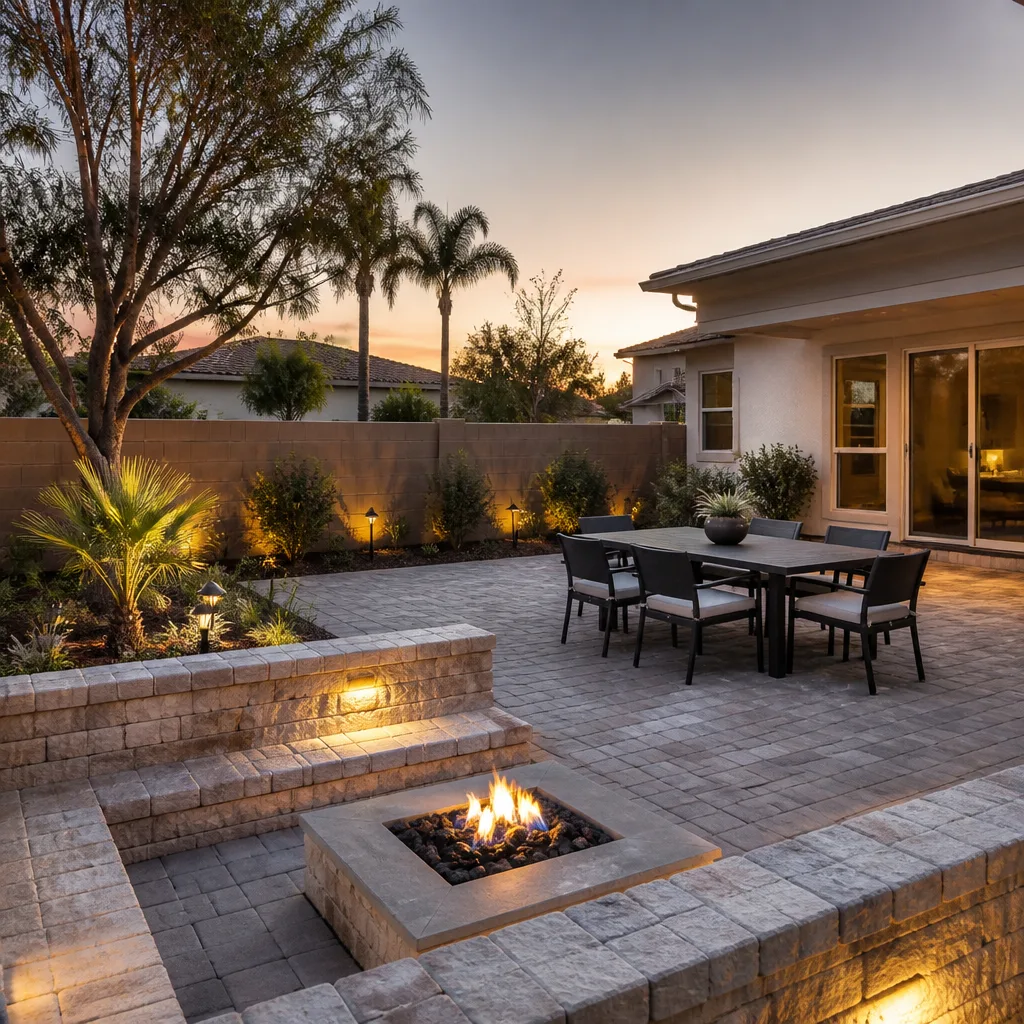
- Driveway & pavers
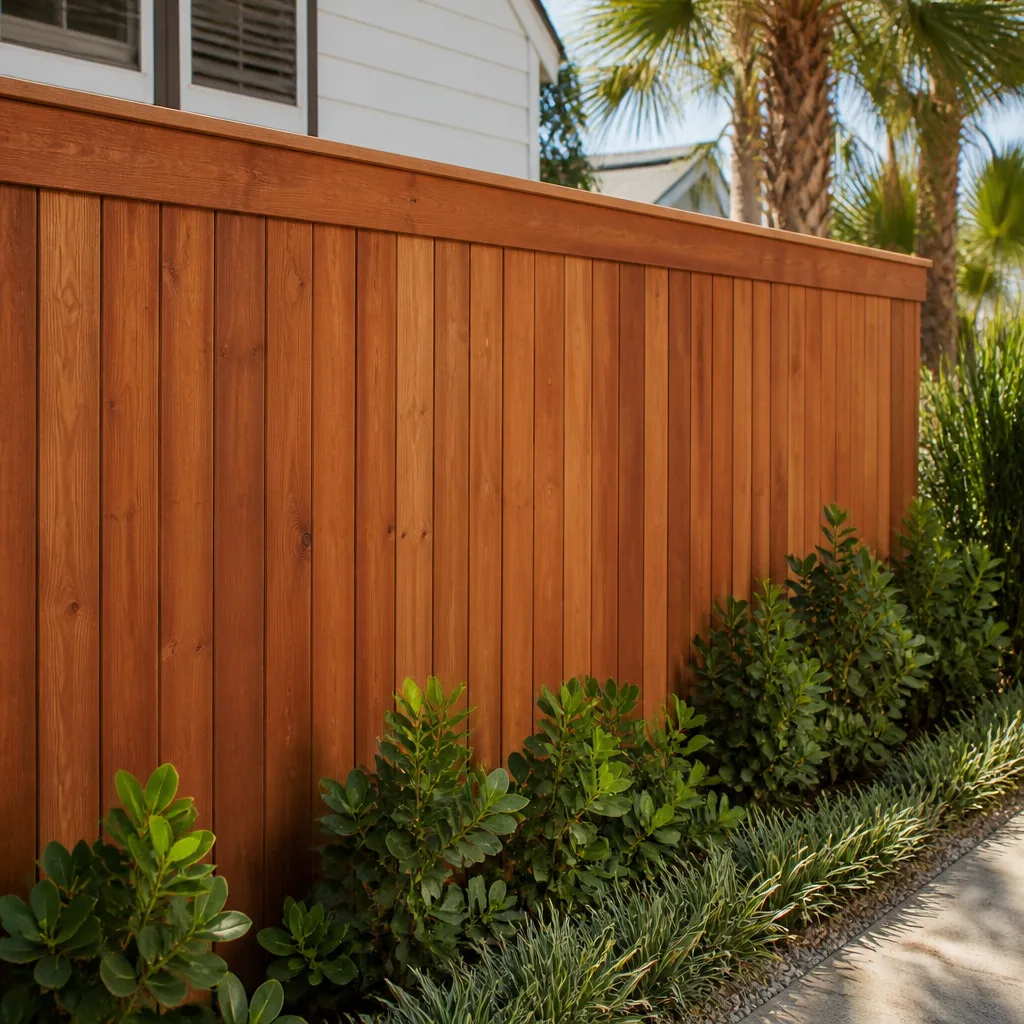
- Fence
Table of Contents
- Why Enterprise’s Climate Rewrites the Brand Rulebook
- Where Brand Choice Has Measurable Impact in Southern Nevada
- How to Read a Product Spec Sheet for Enterprise Conditions
- The Brand Tier Framework: Premium, House Brand, Big-Box
- Why Contractor-Supplied Materials Often Carry Better Warranties
- The Questions to Ask a Contractor About Brand Selection
- When to Push Back on a Substitution
- Common Mistakes to Avoid
Why Enterprise’s Climate Rewrites the Brand Rulebook
Enterprise sits in the Mojave Desert, and that single fact filters the national brand list before a single price gets quoted. Materials here face a combination most manufacturers don’t design around: punishing ultraviolet intensity, surface temperatures hot enough to soften some sealants, wide daily temperature swings that make materials expand and contract relentlessly, and soil chemistry that runs alkaline. A product can be excellent in a temperate climate and mediocre here.
Thermal expansion is the quiet culprit. Concrete, pavers, sealants, caulks and window frames all move with temperature. In a place where the gap between a cool desert morning and a hot afternoon is large, a rigid caulk that performs fine in milder regions can crack within a season. Flexible products rated for wide temperature application ranges hold up. The same logic runs through every category we touch.
Sun exposure is the other driver. UV attacks sealers, stucco coatings, fencing finishes, door finishes and roofing granules. A brand whose UV testing was done under gentler conditions may still pass its label claim, but it isn’t proof of Mojave performance. When we specify materials at Enterprise Construction Co, we treat local climate data as part of the specification, not an afterthought. That’s why brand conversations in Enterprise start with performance requirements, not logos.
Where Brand Choice Has Measurable Impact in Southern Nevada
Not every material category rewards brand research equally. Some have wide performance gaps between brands; others are largely commodity. Knowing which is which saves you money and grief.
Categories where brand really matters here
- Sealers: Pavers, concrete and stone all need sealing against UV and temperature cycling. A sealer rated for high sun and wide temperature application ranges protects; a generic one chalks or peels.
- Caulks and sealants: The joints around windows, doors and trim are where the desert climate attacks first. Flexible, UV-stable sealants outlast rigid ones by a wide margin.
- Stucco coatings: The exterior skin of many Enterprise homes takes constant sun. Elastomeric coatings rated for heat and UV resist cracking that rigid coatings develop.
- Concrete admixtures: Alkaline soil and rapid moisture loss during curing make admixture choice matter for driveways, patios and slabs.
Categories where brand matters less
Fasteners, basic lumber and standard hardware are more commodity than specialty. You still want quality, but the gap between brands is narrower than in the categories above. Spend your research effort where the payoff is real. For hardscape, brands like Belgard, Unilock and Techo-Bloc publish engineering data you can actually use. For the full scope of exterior work, see our driveway & pavers page.
How to Read a Product Spec Sheet for Enterprise Conditions
A spec sheet is only useful if you know which lines to read. Most buyers skim the marketing summary and stop. The performance data lives in the technical tables, and four data points matter most in Enterprise.
- UV resistance rating. Look for UV stability measured for extended sun exposure. A “high UV” claim is marketing until the data table shows a tested standard.
- Temperature application range. Sealants and coatings must list a range wide enough for hot desert surfaces. If the range tops out below the surface temperatures you’ll see, the product is wrong for here.
- Thermal expansion tolerance. For concrete, pavers and joint materials, find how much movement the product accommodates. Big daily swings demand flexibility.
- VOC compliance. Nevada has air quality rules, and products must meet VOC limits for the category. A low-VOC product is both compliant and often friendlier to apply.
If a manufacturer won’t publish these numbers, treat that as a signal. Good brands publish data because their products stand up to scrutiny. Ask your contractor to walk the spec sheet with you; the conversation tells you a lot about whether they’ve thought about local conditions or just ordered what was in stock.
The Brand Tier Framework: Premium, House Brand, Big-Box
Construction materials generally fall into three tiers, and the performance gaps are real in some places and pure marketing in others. Understanding the distinction keeps you from overpaying for a label or underpaying for a problem.
Manufacturer-direct premium brands
These are the brands that publish detailed engineering data, support authorized installers and back their products with meaningful warranties. In roofing, that’s GAF, CertainTeed and Owens Corning. In cabinetry, KraftMaid and Wellborn. In countertops, Cambria, Silestone and Caesarstone. Premium access is part of the standard material toolkit at Enterprise Construction Co, not an upsell reserved for the biggest jobs.
Distributor house brands
House brands are made to a distributor’s spec, often by the same factories that produce name brands. They can be genuinely good, especially in commodity categories. Where they fall short is support and warranty depth: a house brand rarely offers the same installer network or claim backing.
Big-box products
Retail products serve the DIY market. Some are fine for light use. But the models stocked at big-box stores are frequently built to a retail price point, with thinner warranties and less technical support. For a mid-to-large renovation in Enterprise, the gap between a retailer product and a premium brand is often worth the difference.
Why Contractor-Supplied Materials Often Carry Better Warranties
Here’s a point most buyers miss: the same manufacturer often offers a stronger warranty when a professional contractor supplies and installs the material than when a homeowner buys it and hires someone to install it. The manufacturer is betting on its own installer standards.
When we specify a material, we specify it built to manufacturer spec: the installation method, the underlayment, the fasteners and the prep the brand requires. That precision is what unlocks the warranty, and it’s why “contractor-supplied” isn’t a markup trick. It’s how the manufacturer’s accountability stays intact. Roofing is the clearest example: shingle warranties depend on installation to spec, and a contractor who follows the manufacturer’s system keeps the coverage live. Windows, doors, siding and tile follow similar logic. A brand’s warranty only means something if the install honors its requirements.
Ask any contractor how their material and labor warranties are structured. The answer reveals whether they’re specifying brands for accountability or just buying whatever is cheap. At Enterprise, one project manager owns the warranty conversation from start to finish, so there’s no trade handoff to hide behind.
The Questions to Ask a Contractor About Brand Selection
The quality of a contractor’s brand reasoning tells you more about how they’ll execute than any sales pitch. Ask directly, and listen for substance. These are the questions we expect from serious buyers, and the ones worth asking anyone you hire.
- What brand are you specifying for this component, and why? A good answer cites performance, climate fit or warranty, not “it’s what we use.”
- Does this brand publish data for our conditions? UV, temperature range, expansion and VOC should be answerable.
- Will this be installed to manufacturer spec? Ask what the spec requires and whether they’ll follow it.
- What’s the warranty, and who backs it? Manufacturer warranty, labor warranty, or both, and for how long.
- If you substitute, will you tell me first and show me the spec? Substitutions are common; transparency about them is not.
- Are these brands part of your standard toolkit or a special order? Consistency signals real familiarity.
Across seven service lines, Enterprise Construction Co works with more than 50 manufacturer brands. That breadth means we’ve specified these materials on real projects and know how each behaves in local conditions. Whether you’re adding square footage or updating a single room, the questions above apply.
When to Push Back on a Substitution
A substitution is when the contractor proposes a different brand than the one quoted. Sometimes it’s legitimate: a discontinued product, a supply issue, or a comparable upgrade. Sometimes it’s a quiet downgrade. The key is the spec sheet.
- Ask why the substitution is happening. Supply, discontinuation or cost should be stated plainly.
- Request the replacement’s spec sheet. Compare UV, temperature range, expansion tolerance and VOC against the original.
- Check the warranty. A substitute with a shorter or weaker warranty is a downgrade, regardless of brand name.
- Get it in writing. Any approved substitution should be documented in the written estimate or change order.
Push back when the substitute doesn’t match the original on paper, when the warranty shrinks, or when the reason isn’t explained. Accept it when the replacement meets or beats the original spec and the change is documented. A contractor who welcomes the question is one you can work with. For ADU and addition work specifically, brand and system choices have long-term consequences, which is why our home additions & ADU work covers both prefab manufacturers and conventional construction.
Common Mistakes to Avoid
- Buying on brand name alone. A premium logo on a product rated for the wrong climate doesn’t protect your home in Enterprise. Check the spec sheet first.
- Skipping the UV and temperature data. Labels in retail stores rarely mention Mojave conditions, so verify the technical tables before you commit.
- Comparing on price without comparing warranties. A cheaper material with a weak warranty can cost more over time. Match total coverage, not just the line item.
- Letting a substitute slide without documentation. Unrecorded substitutions are how warranties quietly disappear. Insist on the paper trail.
- Ignoring VOC rules. Products that don’t meet Nevada limits can stall a project or fail inspection. Confirm compliance before order.
- Mixing tiers without reason. Jumping between premium, house brand and big-box without a performance rationale usually means someone is guessing.
- Treating installation as separate from the brand. The best material installed off-spec isn’t protected. Brand and installation standards go together.
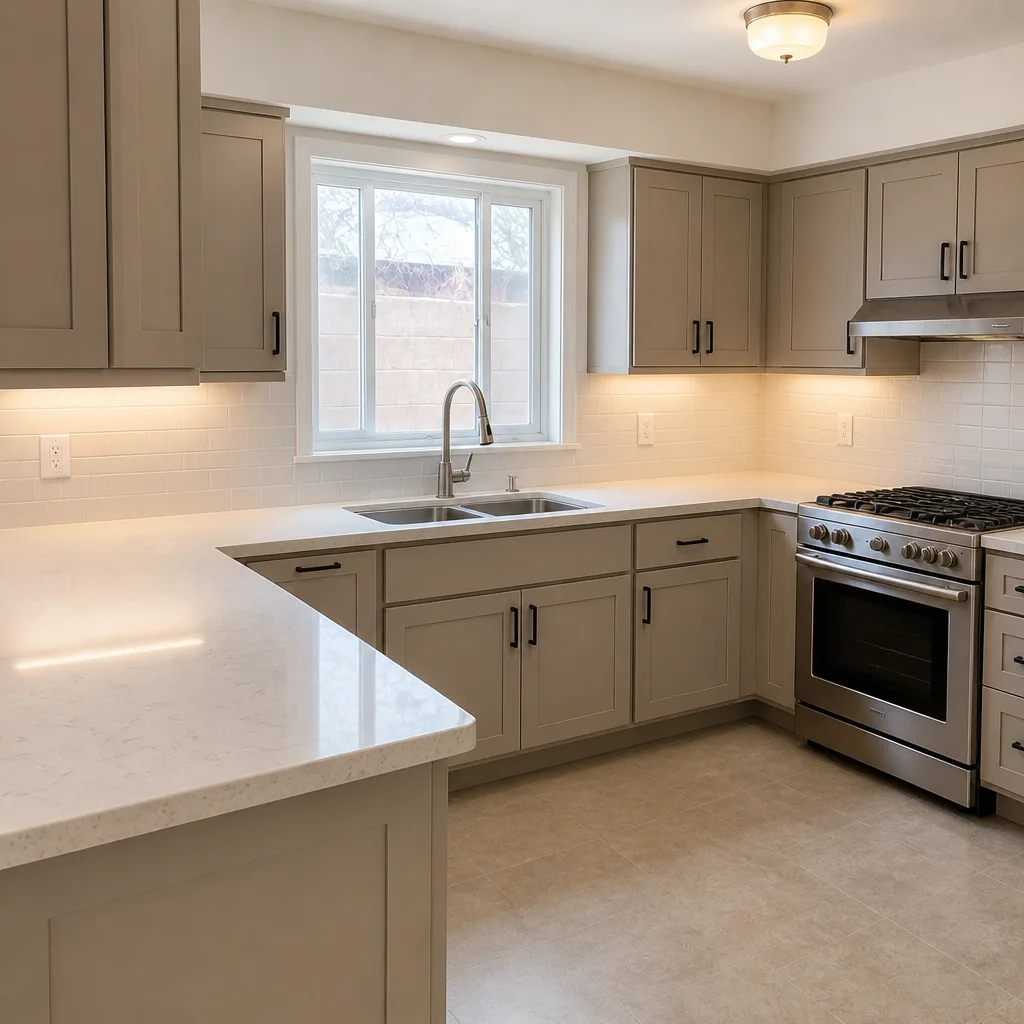
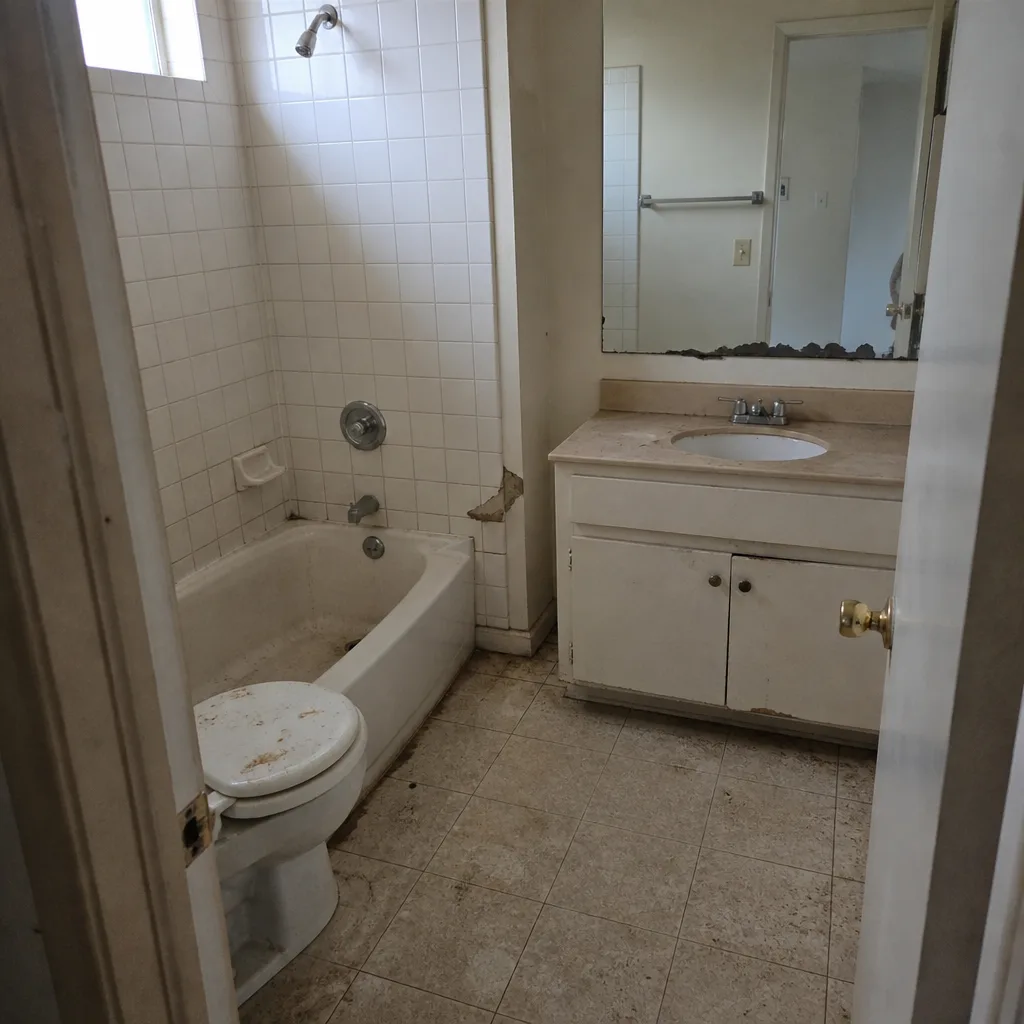
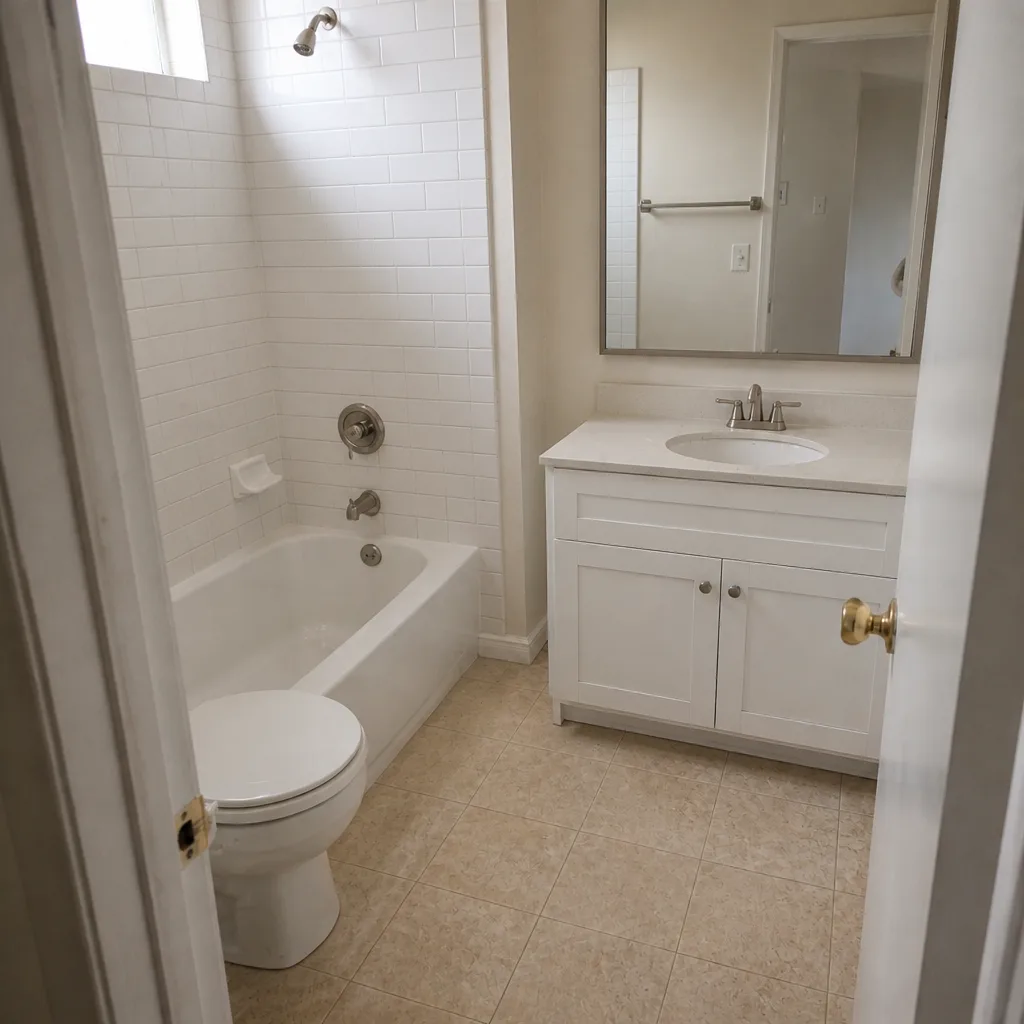
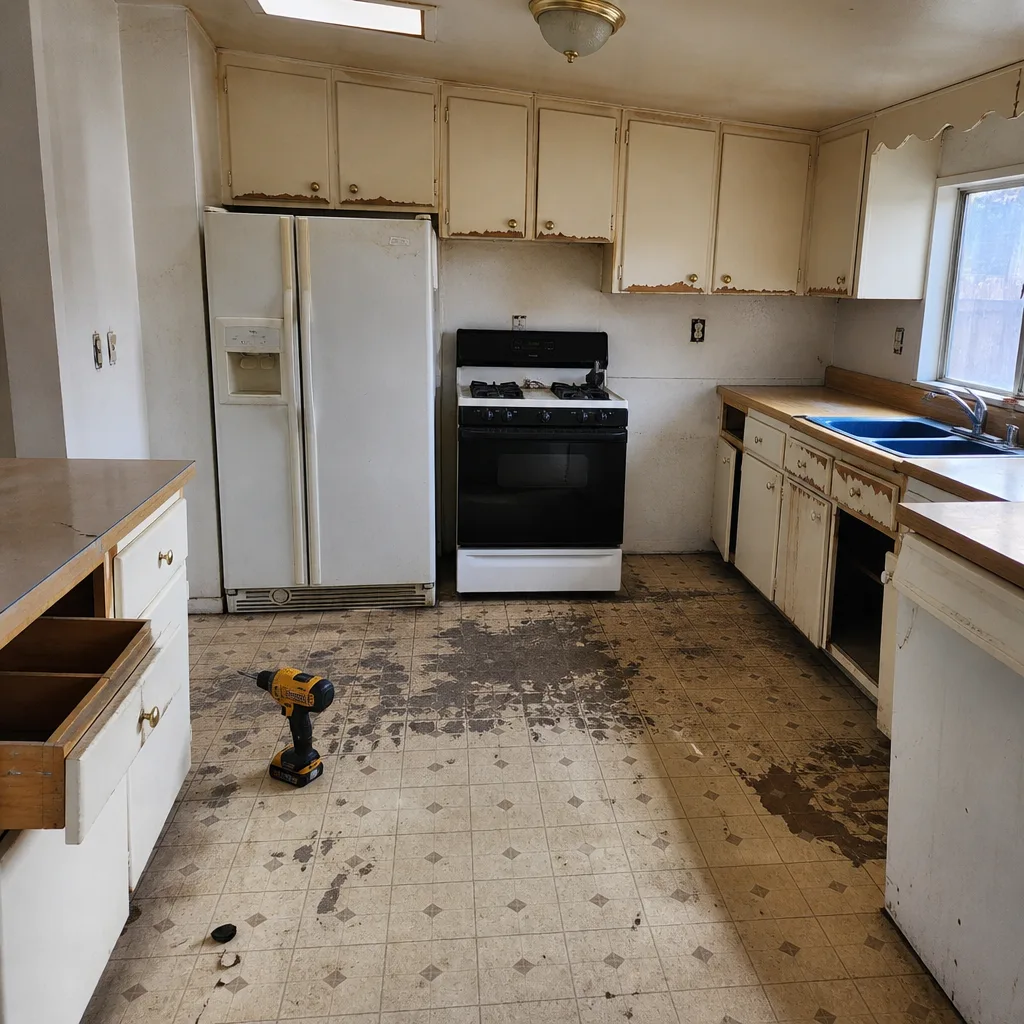
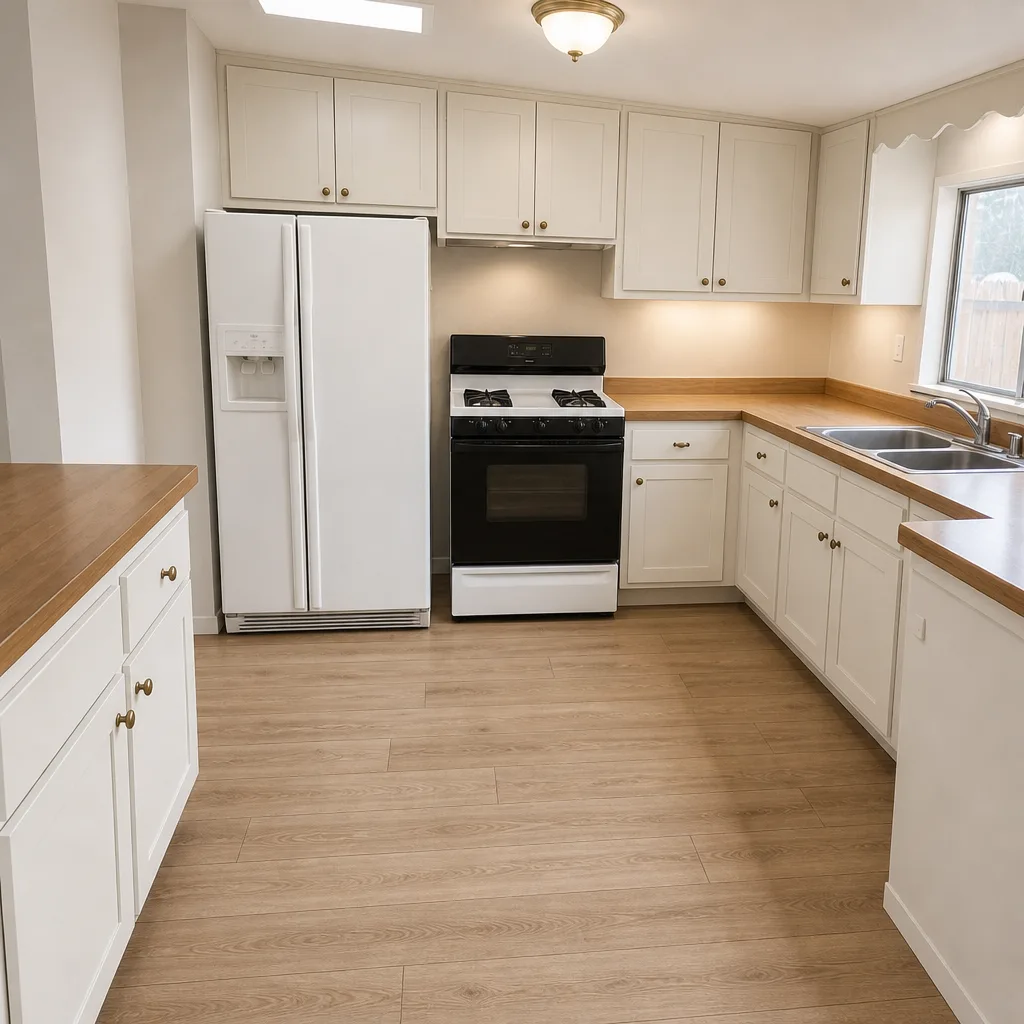
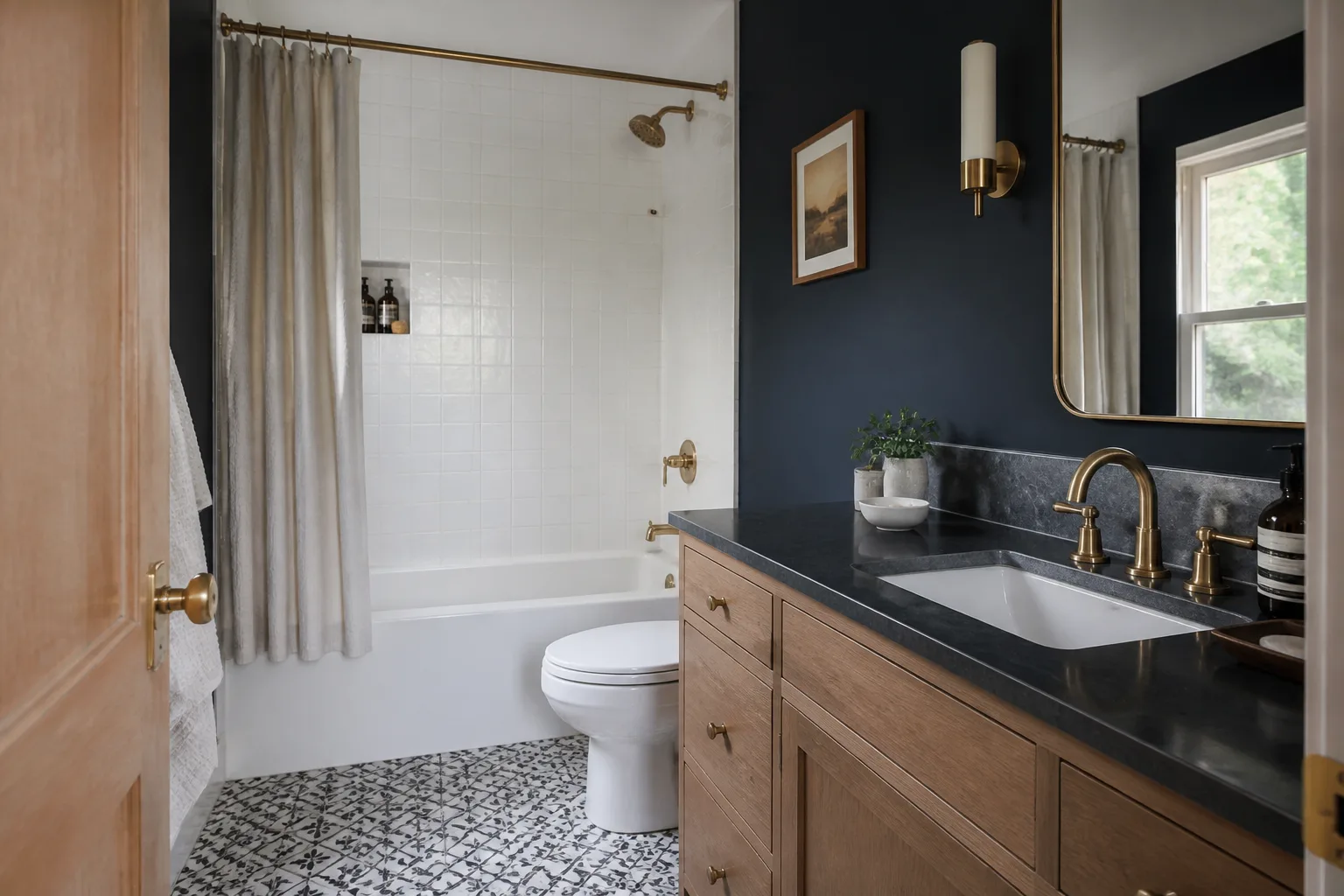
See the difference
 Before
 After
 Before
 After
 Before
 After
When to Call a Professional
Some brand decisions are fine to make on your own. Others carry real consequences and deserve a professional’s read. Call a contractor when you’re choosing materials for a roof, windows or doors that must hit a warranty standard; when a substitute is proposed and you can’t tell if it’s equal, better or worse; when sealers, caulks or coatings will sit on desert-exposed surfaces; or when a multi-phase project spans several trades and you want one point of contact instead of five. If you’re planning interior upgrades, cabinetry brands like KraftMaid and countertop brands like Cambria and Silestone are worth specifying with a professional who knows the installation standards. Enterprise Construction Co offers free estimates in Enterprise, and we’re glad to walk a spec sheet with you. Call (844) 761-9449.
Frequently Asked Questions
The best brands are the ones whose spec sheets document performance under Mojave conditions: high UV resistance, wide temperature application ranges, thermal expansion tolerance and VOC compliance. GAF, CertainTeed and Owens Corning lead in roofing; KraftMaid and Wellborn in cabinetry; Cambria and Silestone in countertops. Call (844) 761-9449 for help matching a brand to your project.
Because UV intensity and daily temperature swings here are harder on materials than in temperate regions. Sealants, caulks, coatings and finishes that pass standard testing can still fail under sustained desert sun and heat cycling. The gap between a climate-appropriate brand and a generic one shows up in how long the material lasts.
Sometimes, in commodity categories like fasteners and basic hardware where the performance gap is narrow. In categories exposed to sun, heat and movement, premium brands usually justify the difference through better data, support and warranty depth. Match the tier to the category.
You can, but you’ll often lose the manufacturer warranty that applies when a professional supplies and installs to spec. Contractor-supplied materials usually carry stronger coverage because the manufacturer is backing its own installer standards. This is the point most buyers miss.
Compare the replacement’s spec sheet against the original on UV rating, temperature range, expansion tolerance and warranty. If it doesn’t match or beat the original on paper, it’s a downgrade. Always get any approved substitution documented in writing. Call (844) 761-9449 if you’d like a second read on a substitute.
Usually within a few years, when cheaper sealants, caulks and coatings begin to fail while climate-rated products hold. The payoff is less about the initial quote and more about how much maintenance the material avoids. A written estimate and a clear spec help you compare total cost, not just the line item.
The Bottom Line
Choosing construction brands for an Enterprise project comes down to matching product specifications to Southern Nevada conditions, not chasing prestige. Read the spec sheet for UV resistance, temperature range, thermal expansion tolerance and VOC compliance. Understand the three tiers and where the performance gaps are real. Ask your contractor what they’re specifying and why, and document any substitution. When you’re ready to plan a mid-to-large project, whether it’s a roof, windows, a kitchen, a bath or a full-property upgrade, lean on a team that knows the local climate. See our Enterprise Construction Co overview and our fence installation work for the full scope. Your project gets one point of contact and one warranty conversation.
Ready to specify materials that hold up in Enterprise? Call (844) 761-9449 for a free estimate. We answer 24/7. Fast dispatch from 7am to 7pm, Sunday through Friday. Our technicians have up to 10 years of experience, and every job is priced per project by a written estimate, so the quote is the price.
Written by the team at Enterprise Construction Co.