Last updated November 17, 2026
Free written scope consultation - allowances, timeline, and change-order rules on paper before a single trade is scheduled
The Complete Driveway & Pavers Guide for Enterprise Homeowners
Most paver specs you’ll read in Enterprise talk about freeze-thaw cycles. Enterprise rarely freezes. What actually destroys a driveway here is heat: surface temperatures that climb past 160°F in July, soil that bakes into a hardpan called caliche, and runoff from desert storms that arrives all at once. Material pitched to survive winter does fine in our summer, but the base under it often doesn’t. This guide walks through what a paver driveway in Enterprise actually has to survive, how the base gets built, which materials hold their color and load rating in Mojave heat, and how the full project sequence runs from demolition to jointing. You’ll finish knowing what to ask a contractor and where corners get cut.
Quick Answer
A driveway paver project in Enterprise succeeds or fails on three things: the base prep through caliche-heavy soil, a material rated for sustained radiant heat rather than freeze-thaw, and a drainage plan that accounts for flash-flood runoff. Concrete pavers from manufacturers like Belgard and Unilock are the most common choice, and natural stone or porcelain cost more but resist color fade differently under high UV. Enterprise Construction Co installs driveway pavers across Enterprise with a written line-item estimate before work starts.
Styles & brands we work with
- Kitchen remodeling
- Bathroom remodeling
- Home additions & ADU
- Roofing
- Windows & doors
- Driveway & pavers
- Fence
Table of Contents
- Why Heat, Not Freeze-Thaw, Is the Real Stress Factor
- Concrete, Stone, or Porcelain: How Each Performs in Mojave Heat
- Base Preparation in Caliche-Heavy Soil
- Permeable vs. Impermeable Systems and Clark County Drainage Rules
- Brand Performance: Belgard and Unilock for the Nevada Market
- The Full Project Sequence, Step by Step
- What Drives the Cost of a Paver Driveway in Enterprise?
- Why Single-Source Contracting Saves Time on a Multi-Trade Property
Why Heat, Not Freeze-Thaw, Is the Real Stress Factor
The dominant stress on a driveway in Enterprise is radiant heat load. In summer, dark pavers in direct sun reach surface temperatures well above the air temperature, and a surface over 160°F expands measurably. Driveways that sit in full afternoon sun all day see that expansion and contraction cycle repeat hundreds of times a season. What fails first is rarely the paver itself. It’s the joint sand, the bedding layer, or the bond at the edge restraint.
Freeze-thaw ratings still matter to manufacturers because most of the country has winter. But buying a paver purely on its freeze-thaw spec is like buying a car for its snow tires when you live in the desert. The spec sheet doesn’t tell you what you need to know: how the color holds up under years of UV, and how the material handles a baking surface that stays hot well into the evening.
What actually happens to a poorly specified driveway in Enterprise heat:
- Joint sand washes or blows out as the material expands and contracts past what the sand can bridge.
- Color fades unevenly where one section faces the sun and another is shaded by the house.
- Units shift at the edges because the edge restraint loosened under thermal movement.
- Efflorescence appears as moisture moves through the paver and evaporates at the surface, leaving mineral deposits.
None of that means concrete pavers are the wrong choice. It means the spec has to be written for the climate you’re installing in, not the climate the brochure was printed for. That’s the difference between a driveway that looks the same in year five and one that’s faded and shifting by year two. Enterprise has the heat profile to make that distinction matter.
Concrete, Stone, or Porcelain: How Each Performs in Mojave Heat
Three material families dominate paver driveways in Enterprise: concrete pavers, natural stone, and porcelain. Each behaves differently under sustained radiant heat, and the differences show up fastest in color retention and dimensional stability.
Concrete pavers
Manufactured concrete pavers are the workhorse choice. They’re pressed and cured to a consistent density, so each unit handles thermal expansion the same way as its neighbor. Color comes from pigments mixed through the body or applied to the surface, and the better lines hold up well under UV. The tradeoff is that lighter colors stay cooler to the touch and hold their color longer than deep reds or blacks, which absorb more heat. If a driveway faces west and bakes all afternoon, choose a lighter tone for both comfort and fade resistance.
Natural stone
Stone like travertine or tumbled limestone handles heat without the same expansion behavior as concrete, and it ages into a patina rather than fading flat. It costs more, runs heavier per square foot, and needs a base built to the higher dead load. Stone is also variable: no two pieces are identical, which is part of its appeal and part of its complication on a tight joint pattern.
Porcelain
Porcelain pavers are dense and hold color very well, and they resist staining better than concrete. They’re thinner and lighter, which changes how the base and setting bed are built. Porcelain is also more brittle in handling and can chip at the edges over years of vehicle traffic if the base isn’t perfectly true. In the high-UV Enterprise market, porcelain’s biggest advantage is that its color doesn’t fade the way pigmented concrete can.
Whichever family you choose, the load-bearing spec and the UV resistance rating matter more than the marketing name. Ask for both in writing. A paver rated for a driveway rather than a patio, with a UV-stable colorant, is a different product than the same brand’s patio line, even when they look identical on a sample board.
Base Preparation in Caliche-Heavy Soil
Caliche is the reason base prep in Enterprise is harder than it looks. Caliche is a cemented layer of calcium carbonate that forms in desert soil when dissolved minerals precipitate and bind the soil together. Underneath it, the ground can be nearly rock-hard and poorly draining. Above it, once you cut through, the grading has to be rebuilt from scratch. This is the step most paver warranties hinge on, and it’s the step most often rushed.
What a proper base build involves in caliche soil:
- Excavation to full design depth. The cementitious caliche layer is cut out, not just scraped, because a paver base sitting on a hardpan shell that isn’t uniform will settle unevenly.
- Subgrade evaluation. Once the caliche is removed, the exposed soil is checked for soft spots and moisture. Caliche can trap water, so a pocket of wet soil under a new base is a settling failure waiting to happen.
- Layered compaction. Base aggregate goes in lifts, each compacted before the next. One thick lift compacted once does not reach the same density and will consolidate further under traffic.
- Drainage fall established. The base is graded to shed water off the driveway surface toward a planned exit, not toward the house or the neighbor’s lot.
- Verification. Compaction is tested before bedding sand goes down. This is the checkpoint that protects the install.
Differential settling is the phrase to remember. Caliche doesn’t settle evenly once it’s disturbed. If one section of the base is compacted to spec and another isn’t, the two move at different rates, and the pavers above crack or trip. That’s why a paver that fails its warranty usually failed on base prep, not on material. In our experience, the base is the part of the job that determines whether the driveway is still flat in five years.
Permeable vs. Impermeable Systems and Clark County Drainage Rules
Drainage on a paver driveway in Enterprise is a legal question as much as a construction one. During a desert storm, rain arrives fast on ground that has been baked hard and can’t absorb it quickly. Runoff concentrates, and where it goes matters to your property and the ones below it.
Impermeable systems are the traditional build: solid pavers over a compacted base, water running off the surface into a swale, drain, or street. They’re straightforward and work well when the site can shed water away from structures. Permeable systems use pavers with wider joints and an open-graded base that lets water pass through the surface and into the ground below. They reduce runoff and can be a real advantage on a lot where water would otherwise pond against the house.
Clark County drainage ordinances address how much site runoff a property may discharge and where that water must go, and for larger impervious areas the requirements get stricter. The practical takeaway is that the size of your driveway and the percentage of your lot it covers changes which system may be appropriate, and the plan should be confirmed with the county before installation.
- Small driveways on a lot with good fall often work with an impermeable surface routed to a planned drain or swale.
- Large driveways, or lots with flat grades, benefit from a permeable system or an engineered drainage solution.
- Properties with downslope neighbors need runoff measured and controlled, not just directed off the edge of the concrete.
Get the drainage answer in writing before the first paver goes down. Retrofitting drainage under a finished driveway is always more expensive than planning it in. Enterprise lots vary from flat to sloped, and the site dictates the answer.
Brand Performance: Belgard and Unilock for the Nevada Market
Paver brands aren’t interchangeable, and the differences show up in exactly the specs that matter here: UV stability and load rating. Specifying a name-brand paver is a way of holding the manufacturer to a published standard instead of trusting a sample board.
Belgard manufactures a broad paver line, and their higher-tier products are engineered for a range of climates with published compressive strength and color-retention performance. For a Nevada driveway, the relevant questions are the compressive rating (a driveway product, not a walkway product) and how the color system holds up under sustained UV. Belgard’s larger-format and textured lines also give options for lighter tones that run cooler.
Unilock brings commercial-grade production standards to residential pavers, with published load-bearing ratings and color systems built for longevity. Their products are frequently specified where durability over time matters more than the first-season look. For an Enterprise driveway under high radiant heat, that’s the right priority.
The full list of hardscape partners we work with includes Belgard, Unilock, Tremron, Techo-Bloc, and Cambridge Pavers, which means the material can be matched to the site rather than the other way around. If a driveway faces direct west sun all afternoon and handles two vehicles, the spec should reflect that. Enterprise Construction Co specifies these brands because the published load ratings and UV-stable color systems give us something concrete to hold the install to. Built to manufacturer spec means the base, bedding, and jointing follow the brand’s written installation requirements, and that’s what the warranty rests on.
The Full Project Sequence, Step by Step
A paver driveway in Enterprise runs through a predictable sequence. Timelines vary with square footage and site conditions, but the order doesn’t. Here’s how a typical project moves:
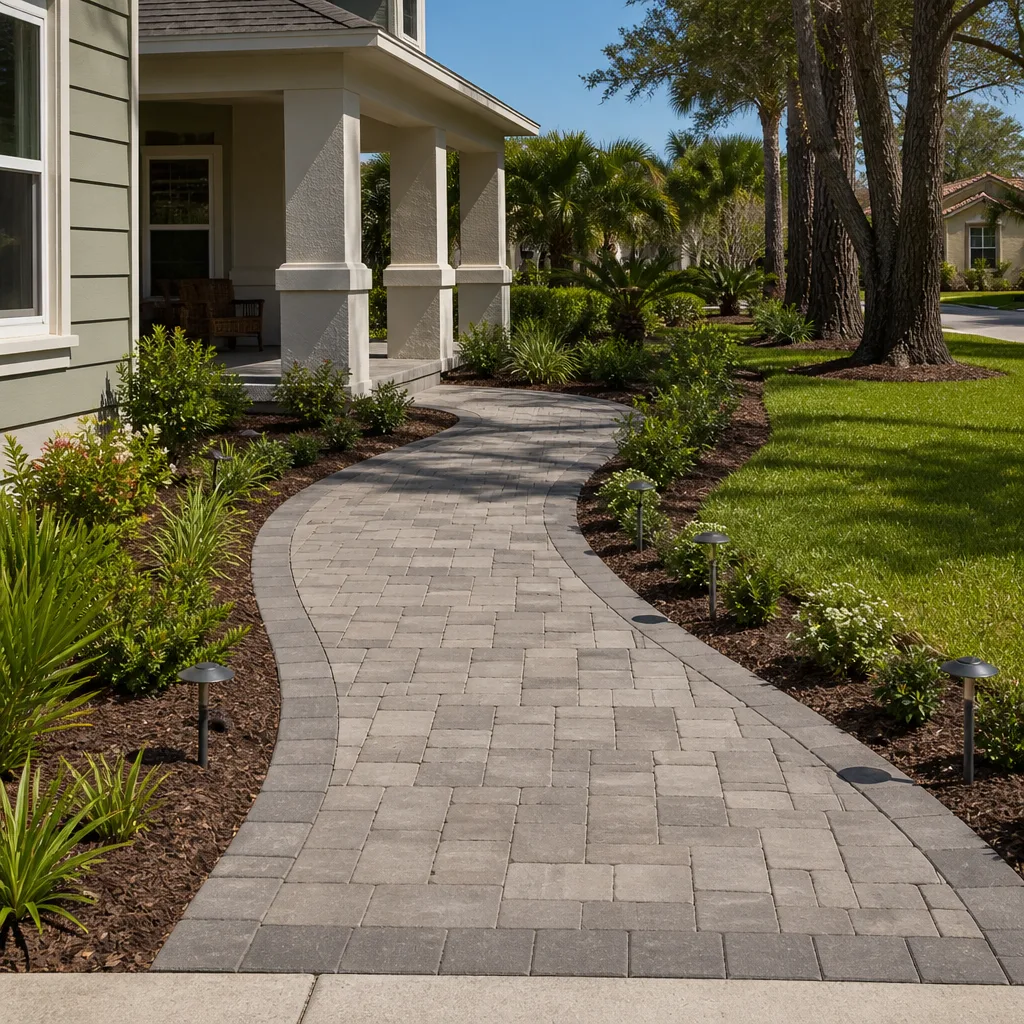
- Demolition and removal. The existing slab, gravel, or degraded surface is removed and hauled off. This is where surprises show up, from buried concrete to unmarked utility lines, which is why site review comes first.
- Grading and excavation. The site is cut to design depth through the caliche layer and shaped to established fall for drainage.
- Base installation. Aggregate is placed in lifts and compacted, then verified for density and grade before anything goes on top.
- Bedding sand. A screeded layer of bedding sand gives the pavers a level cushion and allows fine adjustment.
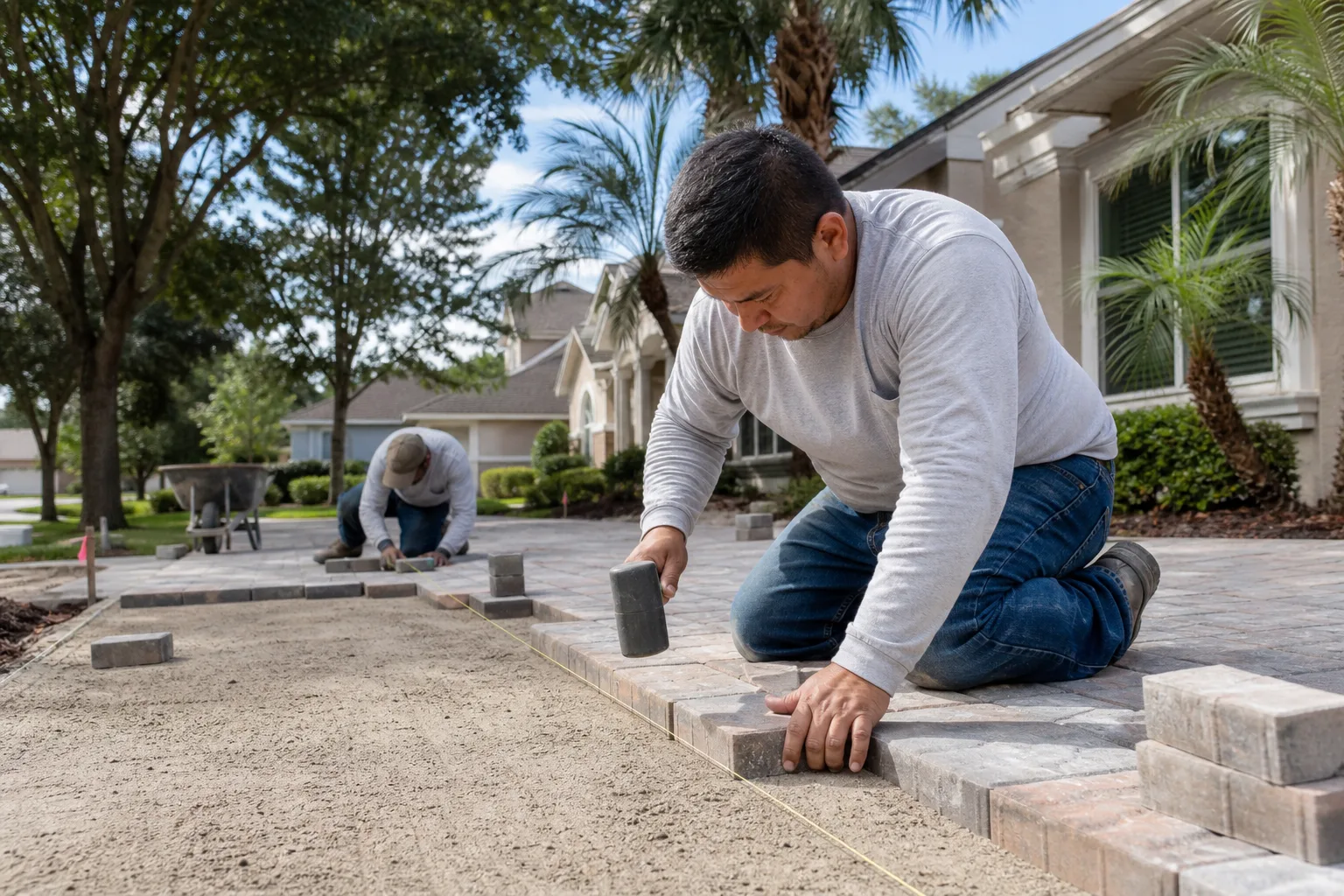
- Paver installation. Units are laid in the chosen pattern, cut at edges and obstacles, and set to the specified tolerance. Edge restraints go in to hold the field against thermal movement.
- Jointing and compaction. Joint sand is swept into the gaps and the finished field is compacted, then topped up so the joints are fully filled.
- Cleanup and final inspection. Site cleaned, edges verified, and the finished driveway walked with the homeowner against the written scope.
Two things in that sequence matter most for a buyer. First, the base build and compaction verification are the steps that determine long-term performance, so ask to see them documented. Second, the edge restraints and joint sand are what fight thermal movement in our heat; if they’re underspecified, the best paver in the catalog won’t hold its line.
The single-source advantage shows up here. A driveway project involving an existing slab often touches grading, drainage, and sometimes adjoining hardscape or fencing. Coordinating a demolition crew, a grading crew, and a paver crew separately means every handoff is a new schedule and a new liability question. One contractor running the sequence end to end keeps the base and the bedding answerable to the same project manager.
What Drives the Cost of a Paver Driveway in Enterprise?
Paver driveway cost is per-job by estimate, and the written line-item quote sets the final price. What drives the number up or down is site-specific: the square footage, the condition of what’s underneath, how much caliche has to be cut out, and the material tier. Material selection moves the price meaningfully, from standard concrete pavers up through natural stone and porcelain. So does pattern complexity and the number of cuts at edges and obstacles.
- Square footage is the primary driver, though the per-square-foot cost often drops as size increases because the fixed costs spread out.
- Caliche removal and base depth are the hidden variables; a site that needs deep excavation costs more than one with favorable soil.
- Drainage adds cost where an engineered solution, permeable system, or slope correction is needed.
- Material tier ranges from standard concrete pavers to natural stone and porcelain.
- Removal and disposal of an existing driveway adds haul-away and dump fees.
Because pricing is per job, the honest answer to “what does it cost” comes from a written estimate that walks the site. A verbal number given over the phone before anyone has seen the caliche and the drainage is a guess. Enterprise Construction Co provides free estimates with a written line-item quote so the scope and the price are the same document.
Why Single-Source Contracting Saves Time on a Multi-Trade Property
Most homeowner upgrades don’t arrive alone. A new driveway often follows a fence line, adjoins a home addition, or gets planned alongside window and door replacement for the front of the house. Coordinating those as separate projects means separate schedules, separate warranties, and the inevitable argument about whose work caused whose problem.
Enterprise Construction Co runs seven service lines under one contractor relationship: roofing, windows and doors, kitchen, bath, home additions and ADUs, fence installation, and driveway & pavers. That means one project manager, one point of contact, and one warranty conversation. When a home additions & ADU project needs a new driveway as part of the site plan, the grading and the drainage requirements get sorted with the same team.
The interior trades connect to the exterior in practical ways. A kitchen gut with Caesarstone counters and a Moen fixture package, brought to the site along Enterprise Construction Co and the hardscape crew, stays on one schedule instead of two. And when the property has a storm-exposed front, impact-resistant windows and doors from our window line can go in alongside the hardscape so the site is finished once, not twice. Brand depth backs the schedule: fifty-plus manufacturer relationships across roofing, cabinetry, countertops, plumbing, windows, doors, hardscaping, fencing, and ADU systems let a multi-trade project be specified and built correctly the first time. For a homeowner who has already managed a revolving door of specialists once, that’s the whole point.
Common Mistakes to Avoid
- Buying on freeze-thaw spec alone. Most Enterprise driveways never see a hard freeze. A paver pitched for winter can still fade and shift here because the real threat is sustained heat and UV, so ask about color retention and thermal movement.
- Skipping the caliche evaluation. Pouring a base straight onto an undisturbed hardpan or a scraped caliche shell gives the ground nowhere to settle evenly. Cut it out, check the subgrade, and compact in lifts.
- One thick lift of base aggregate. A single deep lift compacted once doesn’t reach the same density as layered lifts. The driveway will consolidate under the car and settle, and the pavers will trip.
- Underbuilding the edge restraints. In this heat, pavers expand and push. Weak edge restraint is where the field breaks loose first, so verify it before joint sand goes in.
- Ignoring the runoff plan. Desert storms dump a lot of water fast on ground that hasn’t seen rain in months. Drainage routed as an afterthought can send water toward the house or a neighbor’s lot, which is a legal problem as much as a construction one.
- Choosing a deep red or black surface for full-sun exposure. Dark pavers absorb more heat and run hotter than light tones, and they show fade and efflorescence more. Match the color to the sun exposure, not just the sample board.
- Hiring separate crews for grading, drainage, and paving. Every handoff is a new schedule and a new gray area when something goes wrong. One accountable contractor keeps the base and the pavers under a single project manager.
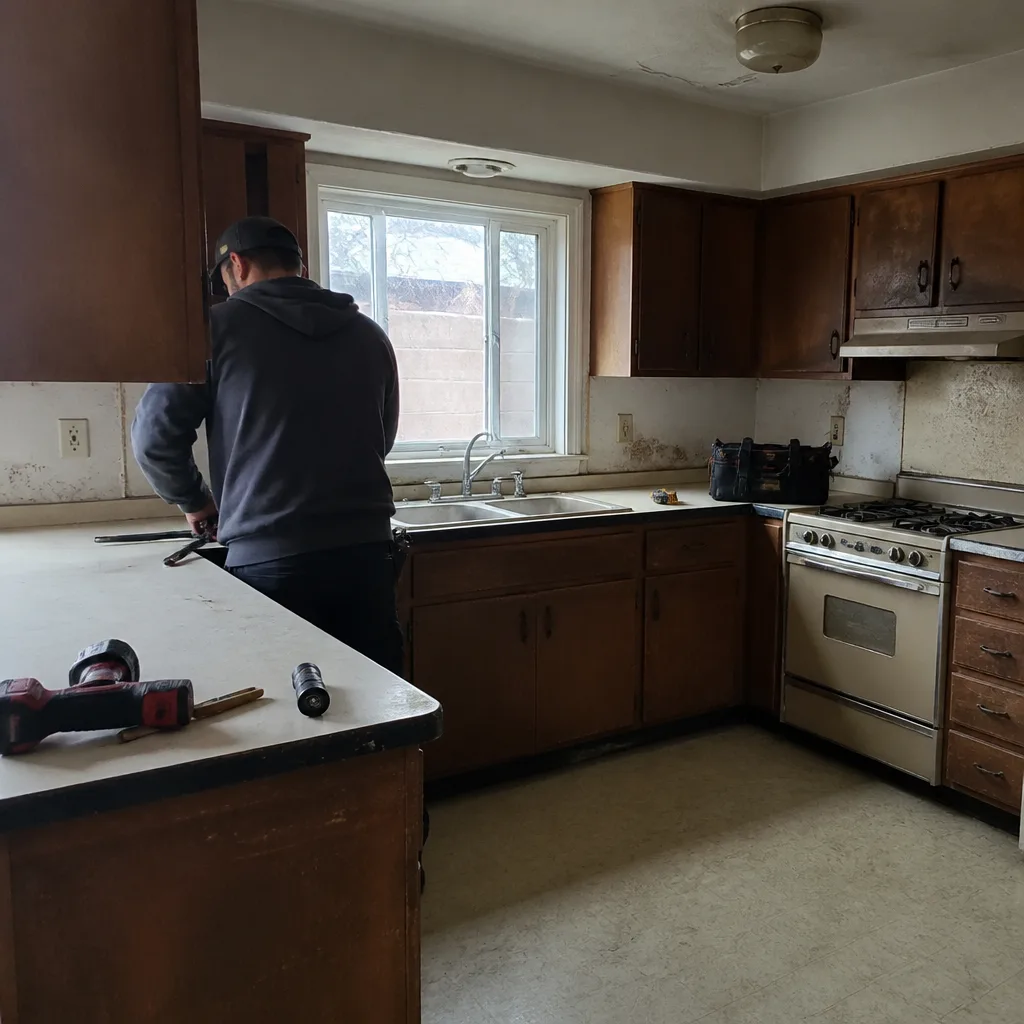
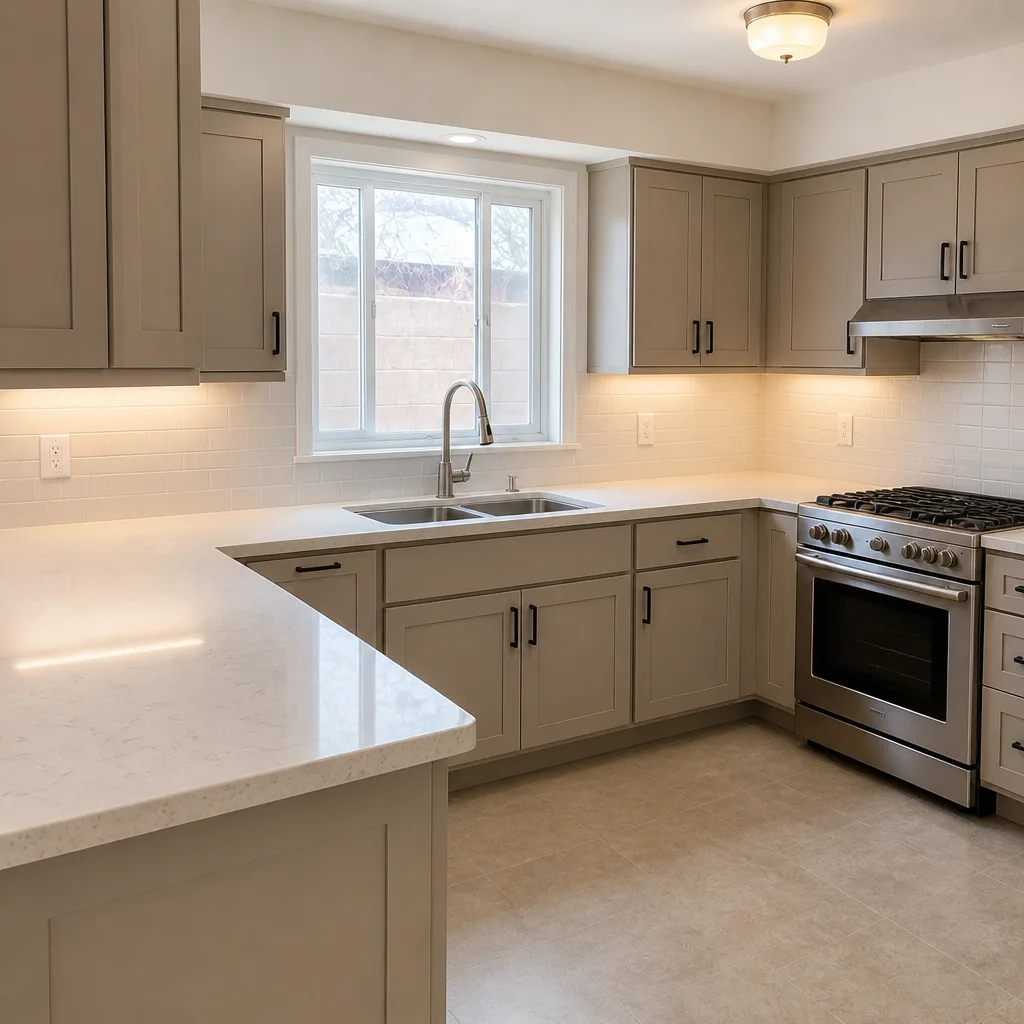
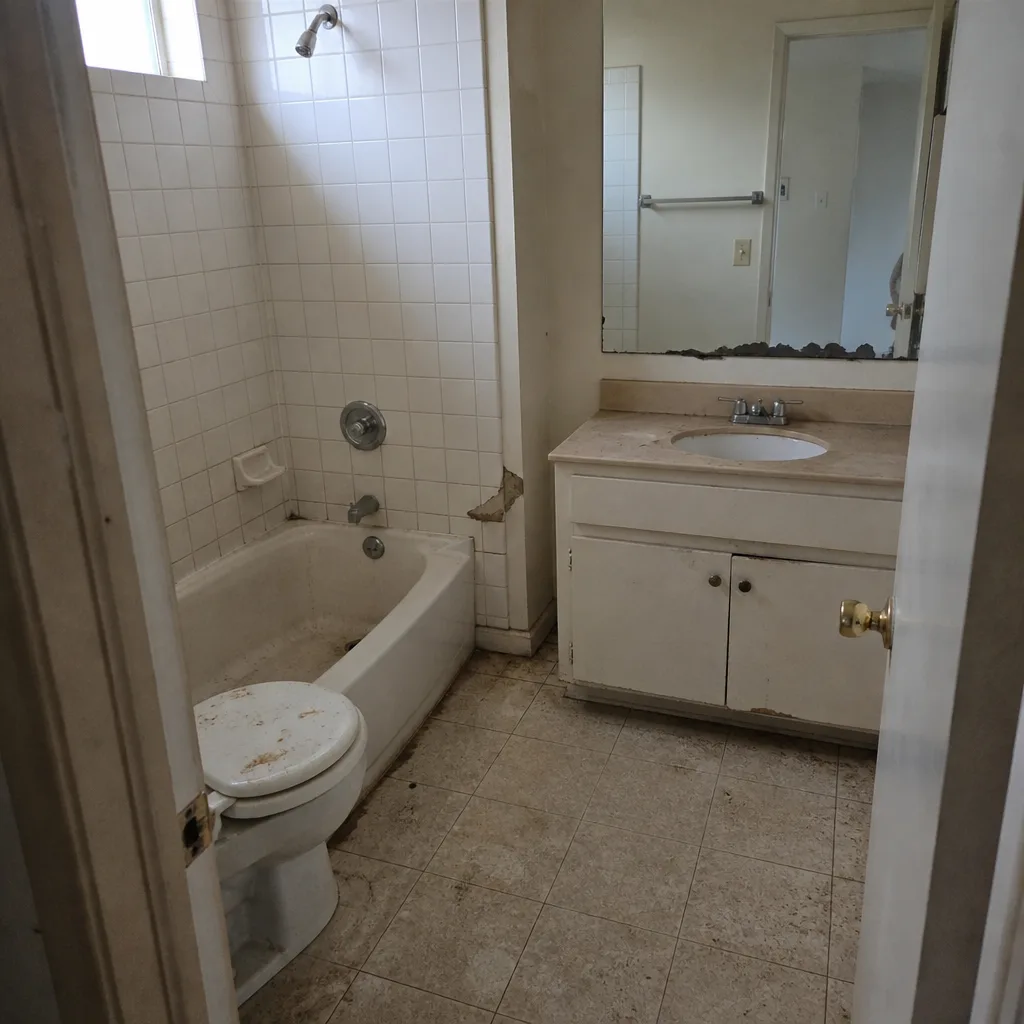
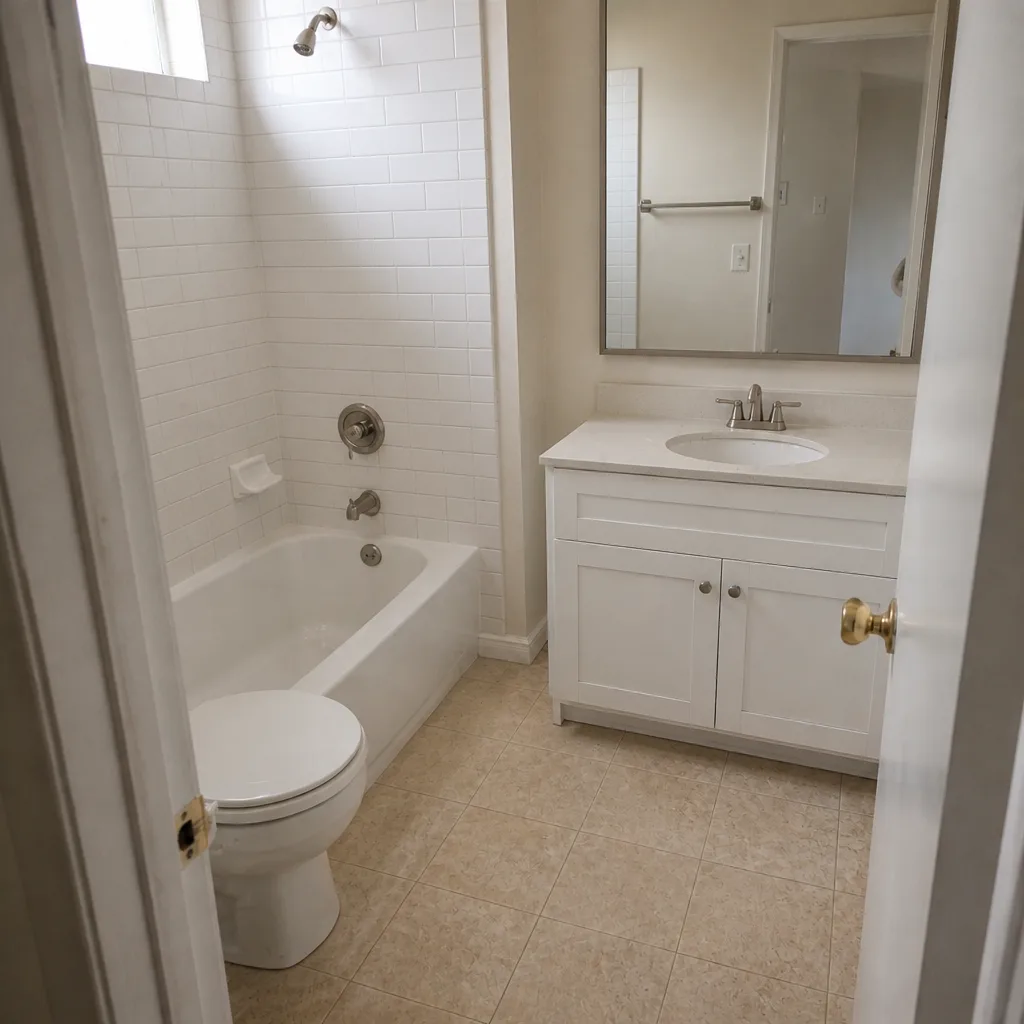
See the difference
 Before
 After
 Before
 After
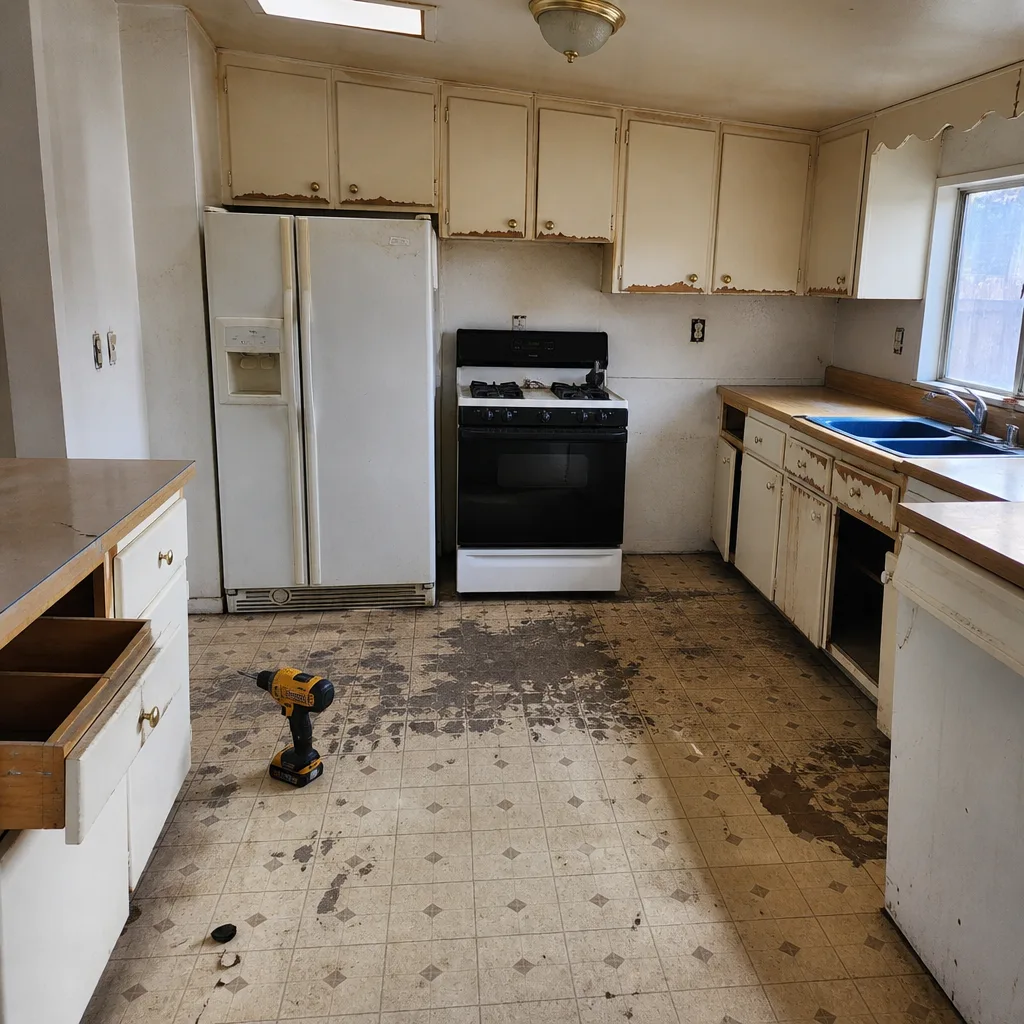 Before
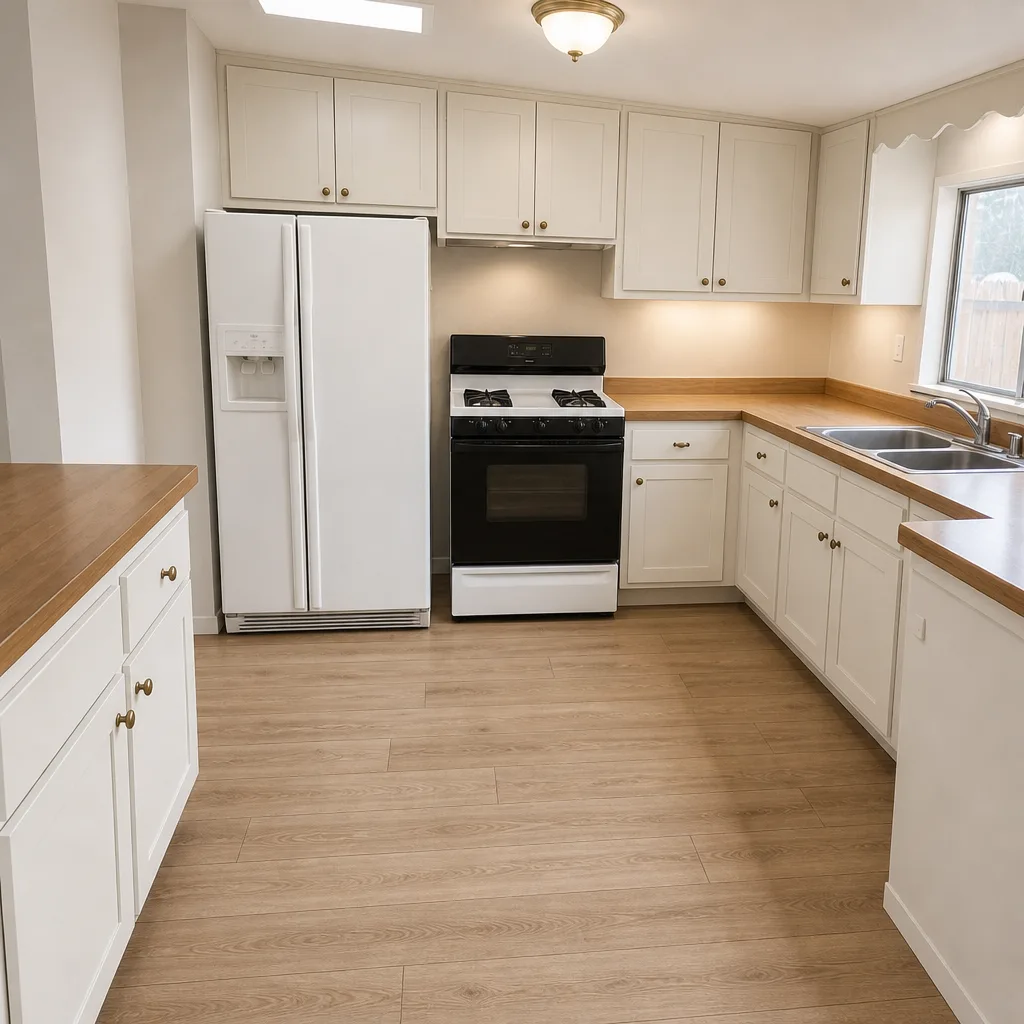 After
When to Call a Professional
Some driveway decisions are too important to get wrong on the first pass. If your existing pavers are heaving, cracking at the edges, or you’re seeing water pool against the foundation, that points to a base or drainage failure that needs diagnosing before anything gets reinstalled. If your lot is sloped, the driveway sits below the house, or part of it is in direct afternoon sun all year, the site demands a drainage plan and a heat-appropriate material spec. If your project touches a fence line, a home addition, or the front of the house, coordinating those trades well matters as much as the pavers themselves. Enterprise Construction Co offers free estimates in Enterprise, with written line-item quotes and installations built to manufacturer spec. Call (844) 761-9449.
Frequently Asked Questions
Paver driveway cost in Enterprise is quoted per job, with the written line-item estimate setting the final price. The number depends on square footage, how much caliche has to be removed, drainage requirements, and material tier from standard concrete pavers up to natural stone or porcelain. Call (844) 761-9449 to schedule a free estimate, and we’ll walk the site before quoting.
Concrete pavers, natural stone, and porcelain all work in desert heat when specified for it, and each has tradeoffs. Concrete is the workhorse and holds up well if the color is UV-stable and the load rating is for a driveway. Stone ages without fading but costs more and weighs more. Porcelain holds color very well and resists staining, though it’s more brittle at the edges. Lighter tones run cooler and hold color longer than deep reds or blacks.
Caliche is a cemented layer of calcium carbonate in desert soil, and it’s the reason base prep is more involved here. Once caliche is disturbed, it doesn’t settle evenly, so differential settling cracks and trips pavers even when the material itself is fine. The fix is to cut out the caliche to design depth and rebuild the base in properly compacted lifts.
Not always, but the answer depends on your lot. Clark County drainage ordinances address how much site runoff a property may discharge and where it goes, and larger impervious areas face stricter requirements. A driveway with good fall on a lot that can shed water may do fine with an impermeable system routed to a drain. A larger driveway on a flat lot often benefits from permeable pavers or an engineered drainage solution. Confirm the plan with the county before installation.
Belgard and Unilock publish the specs that matter here: compressive load ratings for driveway traffic and UV-stable color systems. That gives the install something concrete to hold to, and it ties the warranty to a defined standard. Specifying a name-brand paver is about published performance, not prestige.
Timelines vary with square footage and site conditions, but a typical paver driveway runs through demolition, grading, base compaction, bedding sand, installation, jointing, and cleanup in sequence. Projects that touch drainage or adjoining trades take longer. Because the caliche and existing slab condition aren’t fully known until excavation, the written estimate and site walk set realistic expectations before work begins. Call (844) 761-9449 for a free estimate and an honest timeline.
The Bottom Line
A paver driveway in Enterprise is a climate-specific build. Freeze-thaw ratings are fine to have, but the specs that protect your driveway are UV-stable color, a driveway-rated load spec, a base cut through caliche and compacted in lifts, and a drainage plan that controls desert storm runoff. Material choice matters, and name-brand pavers from Belgard and Unilock give you published performance to hold the install to. Base prep matters more. And the crew that does the base should be the crew accountable for the pavers. Enterprise Construction Co handles the full sequence and the surrounding property under one project manager, with written line-item estimates and installation built to manufacturer spec.
Call (844) 761-9449 for a free estimate. We answer 24/7. Fast dispatch from 7am to 7pm, Sunday through Friday.
Written by the team at Enterprise Construction Co.