Last updated November 17, 2026
Free written scope consultation - allowances, timeline, and change-order rules on paper before a single trade is scheduled
Construction Cost Breakdown: The Enterprise Homeowner’s Reference for 2026
The national average for a concrete driveway runs about $8 to $12 per square foot. In Enterprise in 2026, budget $14 to $18 per square foot for the same pour, and understand exactly why before you push back on a bid. That gap isn’t a contractor padding a number. It’s concrete delivery premiums across the valley, Clark County permit fees, and a labor market where construction demand keeps outrunning supply. National medians tell you what a project costs in Ohio. This guide tells you what it costs here, with line items you can actually audit, a permit schedule you can calculate yourself, and a phasing plan that keeps cash flow sane.
Quick Answer
In Enterprise, NV, in 2026, expect a driveway replacement at roughly $14 to $18 per square foot, a block wall at $45 to $75 per linear foot, a stucco recoat at $6 to $11 per square foot, a patio cover at $5,000 to $18,000 installed, and a full kitchen remodel at $28,000 to $85,000 depending on cabinet line and countertop material. Every range below is an estimate only; the written line-item estimate you receive sets the final price. The single biggest local variable is not labor or materials in isolation but how a contractor handles Clark County permitting and Southern Nevada material lead times.
Styles & brands we work with
- Kitchen remodeling
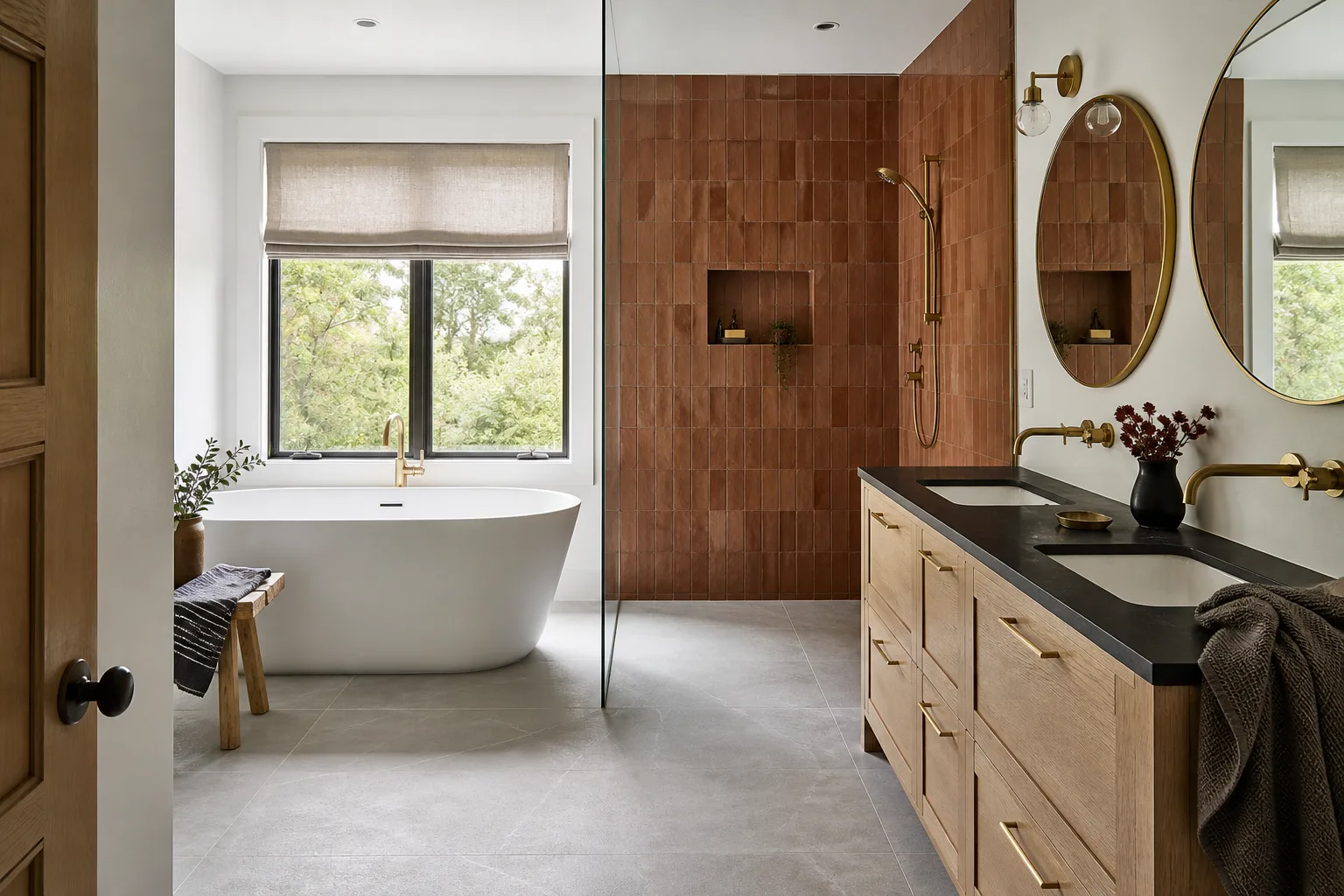
- Bathroom remodeling
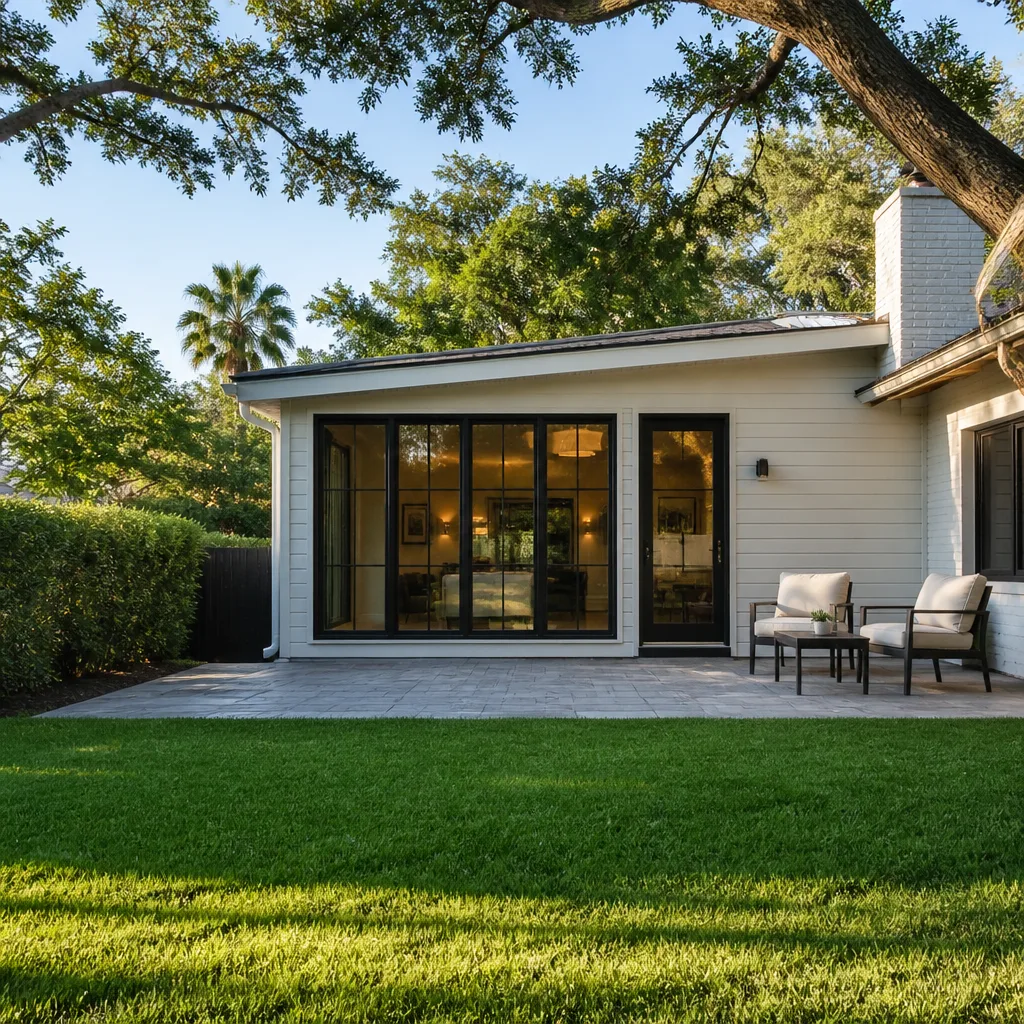
- Home additions & ADU
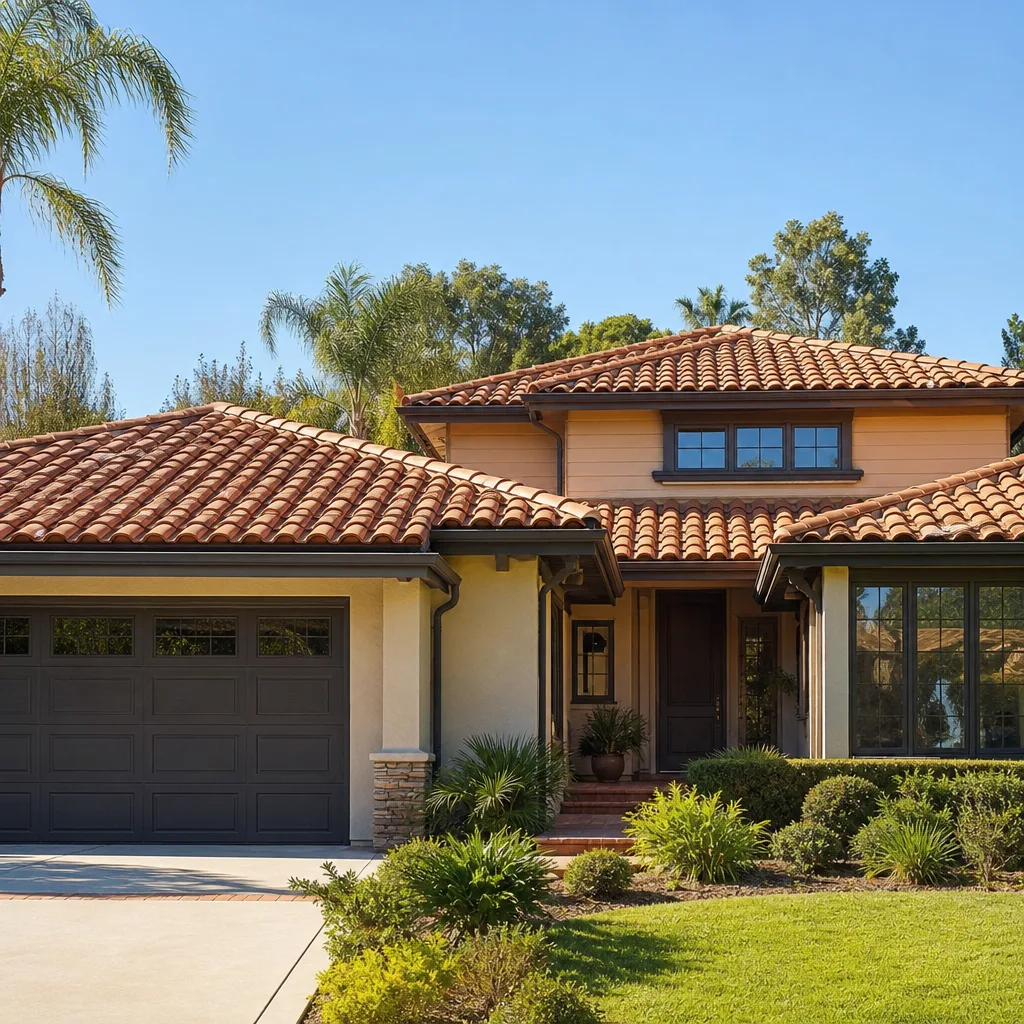
- Roofing
- Windows & doors
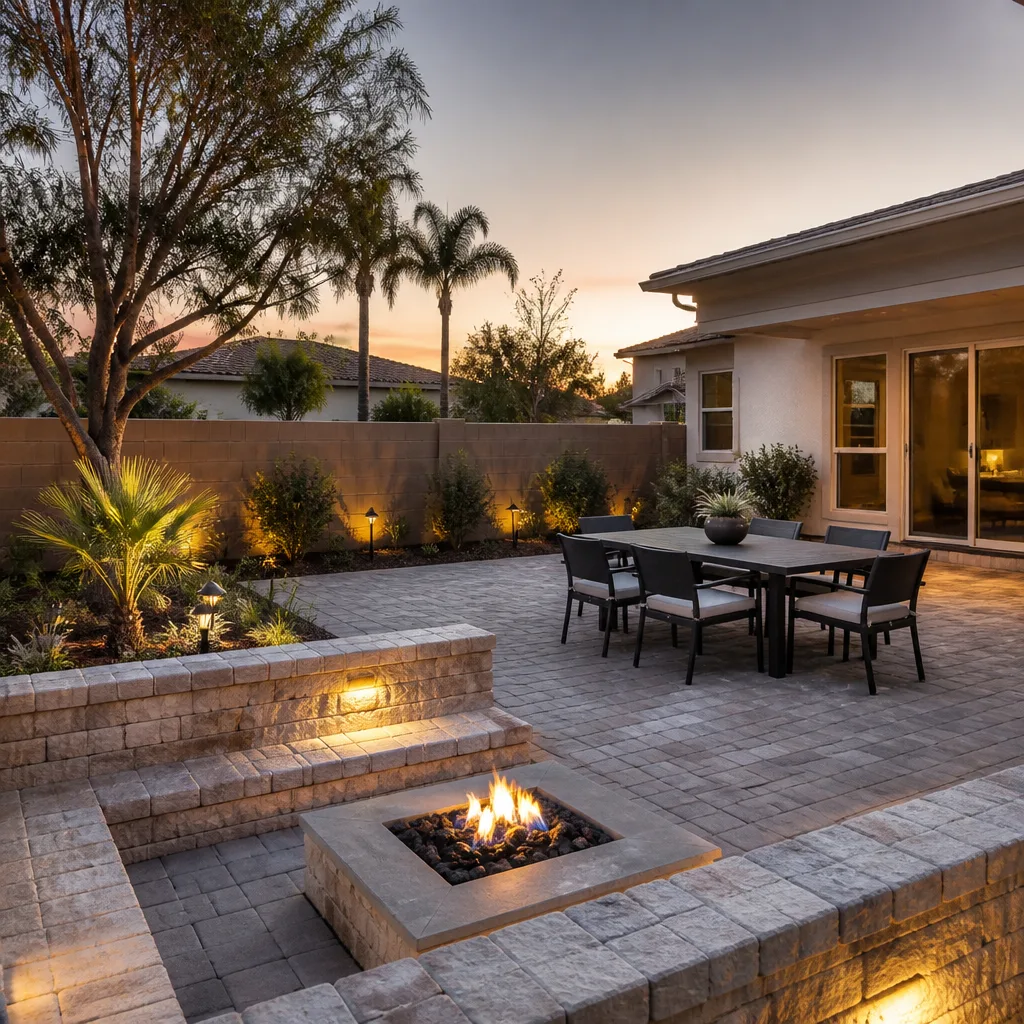
- Driveway & pavers
- Fence
Table of Contents
- Why National Averages Fail Enterprise Homeowners
- Driveway Replacement Costs in Enterprise
- Block Wall Costs and Material Availability
- Stucco Recoat Costs in a Desert Climate
- Patio Cover Costs and Shade Value
- Kitchen Remodel Cost Ranges
- Clark County Permit Fees for 2025-2026
- Southern Nevada Material Cost Drivers
- How to Audit a Contractor Bid Line by Line
- Phasing a Whole-Property Renovation
Why National Averages Fail Enterprise Homeowners
National cost data is compiled across thousands of markets and averaged into a single number that describes none of them. Enterprise sits inside a specific set of conditions that push several trades above the median and a few at or below it. Concrete is more expensive here because batch plants serve a wide radius and delivery to a residential lot in the south valley carries a premium the national figure never accounts for. Block is more expensive because supply fluctuates with the pace of new home construction. And labor carries a premium because the pool of skilled trades in Southern Nevada has not caught up to the volume of work.
Then there are the fees. Clark County charges permit fees on a schedule tied to project valuation, and a homeowner comparing two bids from different contractors may be comparing two different permit estimates, or one bid with no permit line at all. That missing line is not a savings. It becomes your problem during inspection.
What actually holds steady in Enterprise is material quality at the premium tier. When we specify Enterprise Construction Co brand partners like Belgard or Techo-Bloc for hardscape, or KraftMaid and Wellborn for cabinetry, we’re buying performance characteristics that don’t vary by zip code: paver density, cabinet box construction, finish durability in desert sun. Those specifications are what the breakdown below is built on.
Three local facts to carry through the rest of this guide:
- Climate drives material selection costs. UV exposure is intense and the swing between daytime heat and overnight cool is wide. Sealers, coatings, and exterior finishes have to be specified for that, and cheaper products fail faster here than the same product would in a milder market.
- County permitting is a cost line, not an afterthought. Permits on structural work, additions, and electrical or plumbing changes are calculated from project valuation.
- Lead times are a pricing variable. When block or steel is tight, contractors price in the risk of a stalled schedule.
Driveway Replacement Costs in Enterprise
A driveway replacement in Enterprise in 2026 runs roughly $14 to $18 per square foot for standard broom-finish concrete, with decorative options and pavers landing higher. A typical two-car driveway of 600 square feet lands around $8,400 to $10,800. Demolition and haul-off, base preparation, and reinforcement are separate line items and should appear separately in the estimate.
Here’s where the money actually goes:
- Demo and haul-off: $2 to $4 per square foot. Breaking out old concrete and hauling it is labor and trucking, and it doesn’t disappear because it’s boring.
- Base prep and grading: $2 to $3.50 per square foot. In Southern Nevada, subgrade work matters because expansive soils and poor compaction undercut a pour.
- Concrete pour, broom finish: $8 to $11 per square foot, material and labor combined.
- Reinforcement (rebar or mesh): $1 to $2 per square foot.
- Decorative finish (stamped, exposed aggregate): adds $4 to $9 per square foot.
- Paver installation: $18 to $32 per square foot installed, depending on paver line and pattern complexity.
Paver systems from partners like Belgard and Tremron sit at the high end of that range, and the reasons are physical. A properly bedded paver system with polymeric joint sand and a compacted base resists the seasonal movement that cracks monolithic pours. It’s also repairable: a damaged section can be lifted and reset, while a cracked slab is a re-pour. For homeowners planning a full hardscape upgrade, our driveway & pavers work covers the entire front approach in one scope.
Block Wall Costs and Material Availability
A block privacy wall in Enterprise runs about $45 to $75 per linear foot installed for a standard 6-foot wall with footing, and block supply is the variable you can’t control from the homeowner side. A 100-foot wall lands around $4,500 to $7,500. CMU delivery is priced by truckload and by distance, and when valley block plants are running behind, the premium shows up in the bid.
Breakdown of a typical block wall estimate:
- Layout, excavation, and footing: $12 to $20 per linear foot. Footing depth has to satisfy Clark County requirements for walls at this height.
- CMU block and mortar: $18 to $30 per linear foot. This is the line that moves with supply.
- Labor, block setting: $10 to $18 per linear foot.
- Stucco or finish face: $5 to $10 per linear foot, if the wall is being finished rather than left as natural block.
Steel pricing volatility is the other unpredictable input. Reinforcement in block walls, and the columns that carry gate posts, are priced off steel, and steel moves month to month. A bid that’s several months old may or may not still hold – ask.
Fence and wall work often get combined. If your property line needs a privacy barrier rather than a full masonry wall, our fence installation scope covers systems from Barrette, Master Halco, and Ameristar, which trade some of the permanence of block for a lower per-foot cost and faster install. At the premium end of fence hardware, Ameristar’s ornamental steel lines have the same steel-pricing exposure as block wall reinforcement, so the volatility applies either way.
Stucco Recoat Costs in a Desert Climate
A stucco recoat in Enterprise runs about $6 to $11 per square foot of wall area, with most single-story homes landing between $4,000 and $12,000 total. Stucco is the dominant exterior finish on Southern Nevada homes, and it takes a beating from UV and from the cycling between summer heat and cool nights. A recoat that skips proper crack repair and patching will fail sooner than the product promises.
What a proper recoat estimate includes:
- Wash and prep. Dust, salt-free, but dusty, and every loose flake has to come off, or the new coat has nothing to bond to.
- Crack and chip repair. Hairline cracks get filled and reinforced; larger failures get patched back to a sound substrate before anything else goes on.
- Bonding agent or base coat. Skipping this step is the most common way a cheaper bid gets cheaper. It doesn’t show up for a year or two, then it does.
- Finish coats. Two-coat application with a finish texture matched to the existing stucco.
- Sealer, if the spec calls for it. Particularly on sun-exposed south and west elevations in Enterprise.
Dark-colored stucco in a desert climate absorbs more heat, which affects both the wall assembly and the utility bill inside. Lighter tones run cooler. That’s a specification decision worth making before the bid, because changing colors after you’ve compared estimates means starting the comparison over.
Patio Cover Costs and Shade Value
A patio cover in Enterprise typically costs between $5,000 and $18,000 installed, depending on whether it’s an attached aluminum or wood structure, an engineered shade system, or a solid-roof extension integrated with the house. Size, attachment method, and whether the cover is freestanding or tied into the structure are the three biggest cost drivers.
Rough ranges by type:
- Attached aluminum or steel-frame cover: $5,000 to $9,000 for a typical 12×20 foot area.
- Attached solid-roof extension (integrated with the roof line): $11,000 to $18,000, and it requires a permit.
- Freestanding pergola or shade structure: $3,500 to $9,000, depending on material.
- Electrical or fan rough-in: $800 to $2,500 if you want lighting or a fan under the structure.
In a place where summer afternoons regularly reach triple digits, a patio cover isn’t decorative. It extends the usable portion of the backyard for months of the year, and it reduces direct solar gain on the west-facing walls of the house. Attached solid-roof extensions need to be engineered and permitted as additions to the structure, and we treat them that way inside our home additions & ADU scope rather than as a freestanding accessory.
Kitchen Remodel Cost Ranges
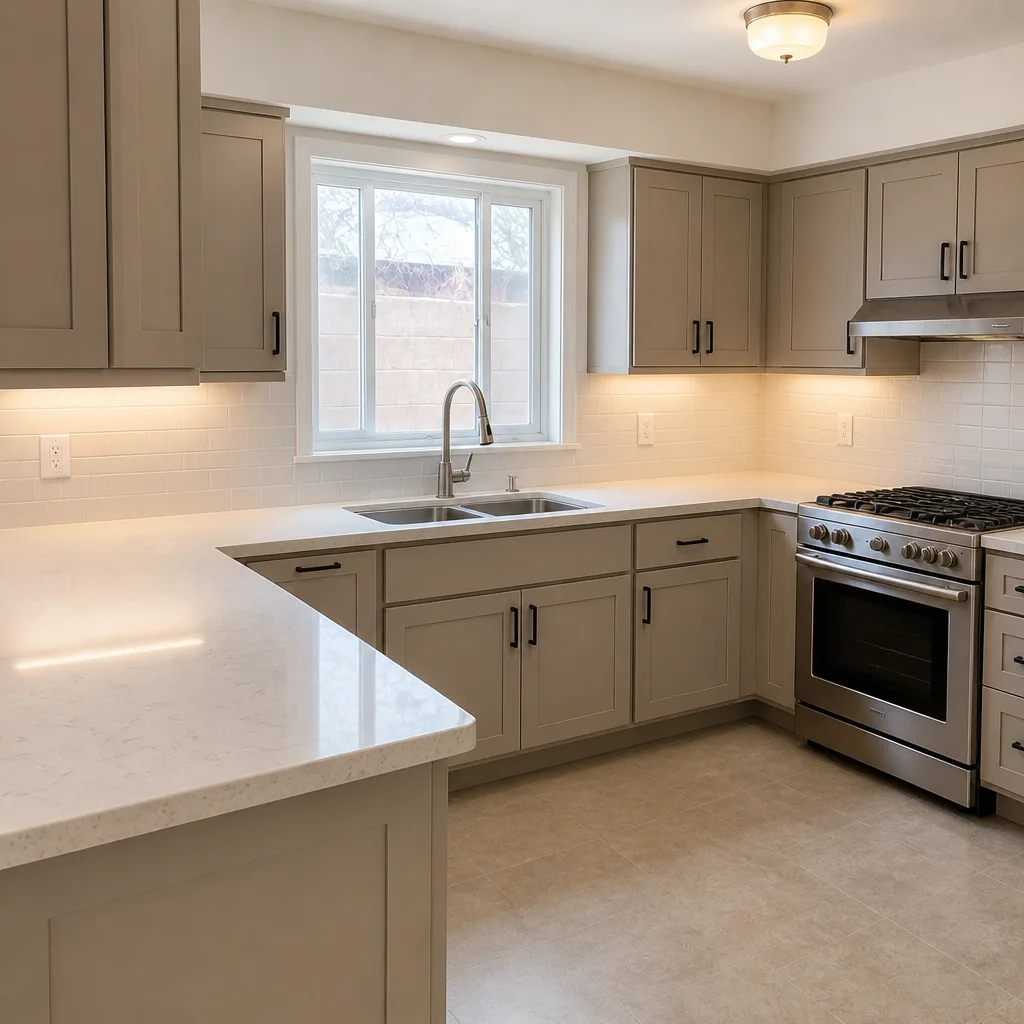
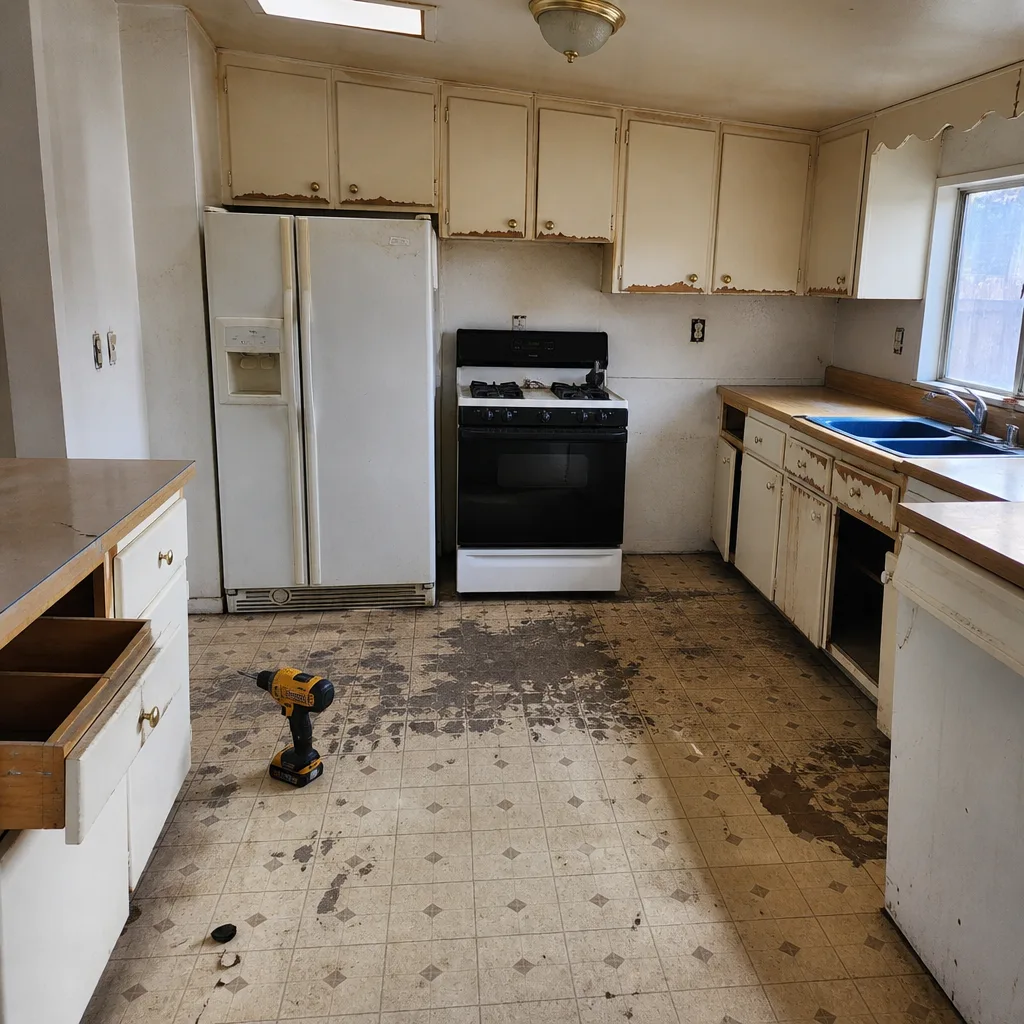
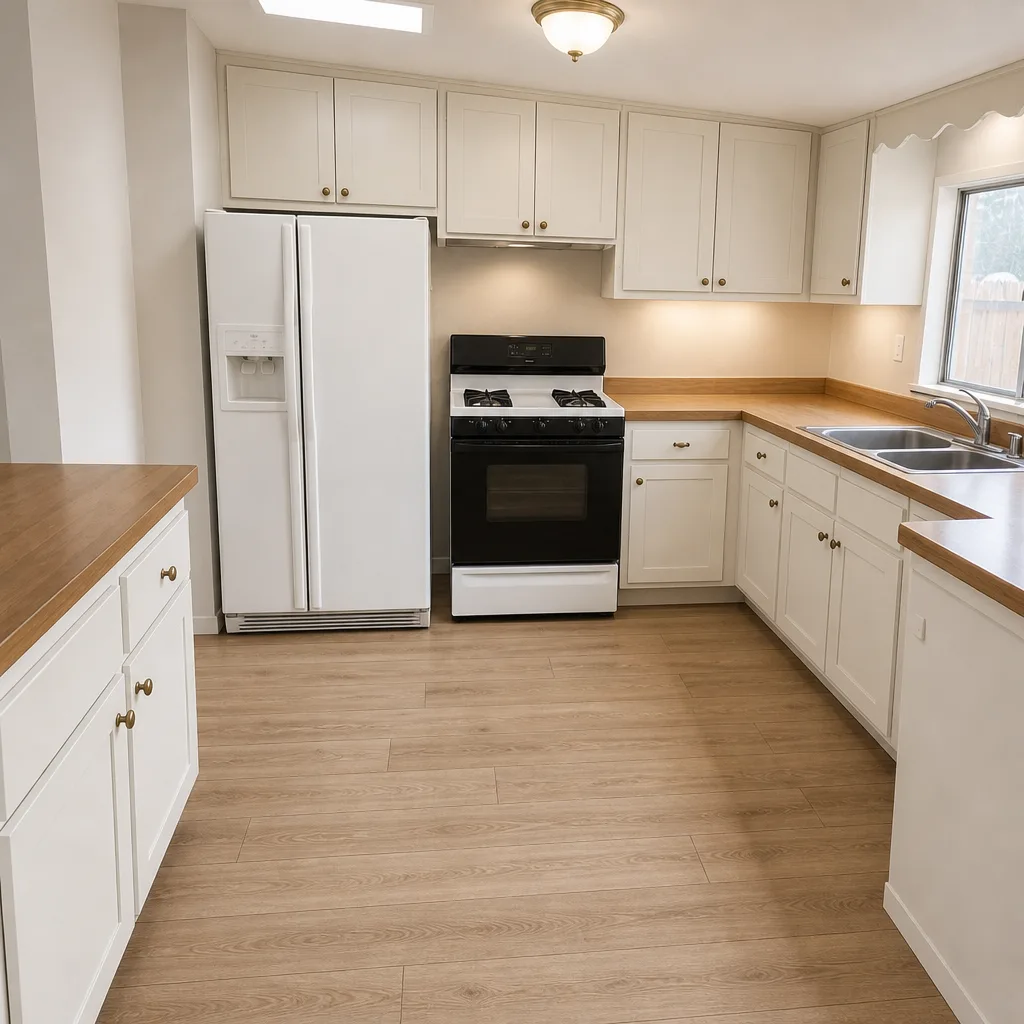
A full kitchen remodel in Enterprise runs from about $28,000 for a mid-range gut with semi-custom cabinets up to $85,000 or more with custom cabinetry, stone countertops, and premium fixtures. Where your kitchen lands inside that range is mostly determined by three decisions: cabinet line, countertop material, and whether the layout moves.
Line-item ranges for 2026:
- Cabinets: $7,000 to $28,000. KraftMaid and Wellborn both sit in the semi-custom and premium-custom tiers, and the difference between them is box construction and interior fit-out, not styling.
- Countertops: $3,500 to $14,000. Cambria and Caesarstone quartz engineered surfaces price by slab and by edge profile.
- Plumbing fixtures: $1,800 to $7,500 for sink, faucet, and any fixture relocation. Kohler, Grohe, Toto, and Moen are our working lines here.
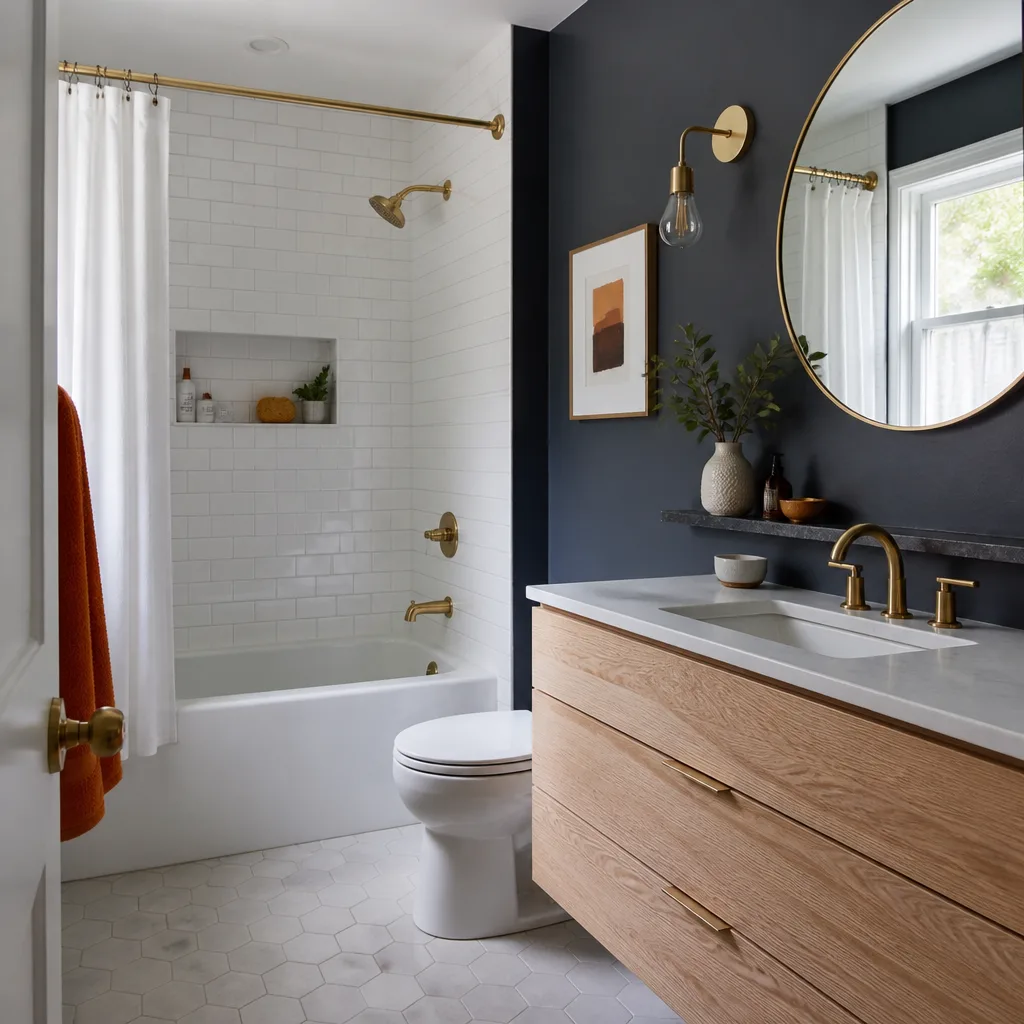
- Tile and backsplash: $2,500 to $9,000, including installation. Schluter waterproofing systems are part of our standard specification on wet areas.
- Labor, including electrical and plumbing: $9,000 to $22,000 depending on how much moves.
- Permits and inspection: see the next section, computed on valuation.
Layout changes are what push a kitchen from mid-range to the top of the band. Moving a sink, moving a range vent, or opening a wall to the living area each adds a distinct cost line, and each requires a permit. If the footprint is staying put, cabinets, counters, and finishes carry the whole project.
Clark County Permit Fees for 2025-2026
Clark County permit fees are calculated from project valuation using a fee schedule, not a flat rate, so the number changes with the size of the job. You can estimate the permit cost on your own before a bid arrives by asking the contractor for the project valuation figure they intend to submit and running it through the current Clark County schedule.
How to get an accurate permit number before the bid:
- Ask for the valuation figure in writing. The contractor should be able to tell you what they’ll declare as project valuation on the permit application. If they can’t, that’s a bid you should question.
- Look up the current fee schedule. Clark County publishes its fee schedule online, updated annually. The 2025-2026 schedule applies to permits applied for in that period.
- Apply the schedule to the valuation. Fees are tiered, so the effective percentage drops as valuation rises. A small bathroom permit and a large addition are not subject to the same percentage.
- Add plan review, if required. Structural work, additions, and some electrical work require plan review, which carries a separate fee on top of the base permit.
- Ask whether the contractor pulls the permit or you do. Reputable contractors pull permits in their own name; if a bid has no permit line at all, expect it to reappear.
Permit fees are one of the few cost lines in this entire guide you can verify independently before you sign anything. Take advantage of that.
Southern Nevada Material Cost Drivers
Four inputs move material pricing in Enterprise more than anything else, and knowing them helps you read a bid for what it actually is.
Concrete delivery premiums. Ready-mix is priced by the yard plus delivery. Batch plants serve a wide territory, and residential pours get priced against the run distance and against the plant’s schedule. A pour scheduled during a busy period costs more than the same pour during a slow one. Nobody can change that, but it explains a bid that comes in higher than a national average.
Block availability. CMU block production follows new construction. When valley builders are consuming supply, block prices rise and lead times stretch. Contractors who plan well order early. Contractors who don’t pass the risk onto the schedule, which is where you feel it.
Steel pricing volatility. Reinforcement bar, lintels, and steel-frame structures get repriced as the market moves. Lumber moves the same way for framing and patio structures. Bids that carry a validity window usually do so because the underlying commodity does.
UV-rated finishes. Standard exterior finishes fade faster under Southern Nevada sun than they do elsewhere. Coatings, sealers, and siding products rated for high UV exposure carry a small premium and last substantially longer. James Hardie siding, which we specify on exterior projects, is selected in part for how it holds finish under intense sun. Buying the cheaper finish and recoating it in five years costs more than buying the right finish once.
For finished hardscape and paving that sees direct sun and foot traffic, Belgard, Unilock, and Cambridge Pavers all publish color-retention and compressive-strength data for their product lines. We specify from those lines because the data exists.
How to Audit a Contractor Bid Line by Line
You don’t need to price materials yourself to audit a bid. You need to know which lines are legitimate markups and which are padding.
Legitimate markup lines:
- General conditions or overhead: a real cost. Scheduling, supervision, insurance, and administrative work all have a price.
- Material markup: typically 10 to 20 percent above wholesale. Contractors buy, store, and warrant the material; that’s the margin.
- Permit acquisition and inspection management: pulling a permit and managing inspections is real labor.
- Warranty reserve: a line item for post-completion warranty work is legitimate and a sign of a contractor who knows what they’re doing.
Where markups get excessive:
- Double-charged overhead and profit. Look for a markup on a subcontractor’s invoice that already included their own overhead and profit. That’s the most common padding pattern.
- Change-order-heavy bids. A bid with unusually many allowances or a wide range on a single line is a bid structured for change orders. Fixed pricing on a fully specified scope, with a written line-item estimate, closes that door.
- Permit omitted, then added. A bid without a permit line and a bid with a carefully calculated permit line are not the same number.
Two questions to ask any contractor before comparing bids: is this a fixed price with no change orders, and are all permits pulled and inspections passed as part of the scope? A bid that answers both with a clear yes is comparable. A bid that hedges either is not.
Phasing a Whole-Property Renovation
Phasing a whole-property renovation means sequencing projects so that mobilization and permit work are shared rather than repeated. The point is not just to spread cash flow across months. It’s to avoid paying setup costs twice, paying inspection fees twice, and paying the same contractor to re-learn your property.
A phasing sequence that works for most Enterprise properties:
- Start with anything that touches structure or envelope. Roofing, window and door replacement, and structural additions. Everything else sits downstream of these, because a kitchen installed under a failing roof is a kitchen installed twice.
- Layer hardscape and grading into the same window as structural work. If demo is already happening on site, the equipment and haul-off costs get shared. Driveway replacement and block wall work done in the same phase reduce mobilization.
- Sequence interior work after the envelope is closed. Kitchen and bath follow roofing and windows, so that the interior finishes aren’t exposed to weather or to construction debris from above.
- Batch permit applications. A single permit package is cheaper than several sequential permit applications for work that’s happening on the same property.
- Reserve a contingency line for the phase most likely to reveal surprises. Usually the phase that involves opening walls or excavation.
The largest phasing risk Enterprise homeowners run into is a change in scope being forced between phases because an early phase wasn’t done to specification. One contractor handling the whole property, from roof to driveway, is the way to hold that line. Managing seven trades across three phases with three separate contractors is where the losses happen.
Common Mistakes to Avoid
- Comparing bids on price alone. Two bids that differ by $5,000 might differ entirely in scope and neither homeowner realizes it until the change order arrives. Compare scope first, price second.
- Skipping the permit line. In Enterprise, Clark County permitting is calculated on project valuation. A bid that omits it isn’t saving you money; it’s deferring a cost and, worse, leaving you with unpermitted work at resale time.
- Budgeting from national averages. If you walk into a bid conversation with a national median in your head, you’ll reject a fair contractor or accept a cheap one. Get a local range first.
- Assuming low bid means low quality. Sometimes a professional contractor is simply less expensive because they’re efficient. The difference is spec detail: ask the low bid what material line they’re installing before you accept or reject.
- Phasing by convenience instead of by dependency. Interior work before roofing or envelope closure is the classic phasing error. So is doing hardscape before final grading.
- Choosing finishes before specifying structure. Cabinet line, slab thickness, and door weight all have structural implications, particularly on additions and window replacements. Specify once, downstream of structure.
- Assuming a contractor with the right brand partners is automatically right for your project. Brand access matters. So does the willingness to put fixed pricing and a full permit scope in writing.
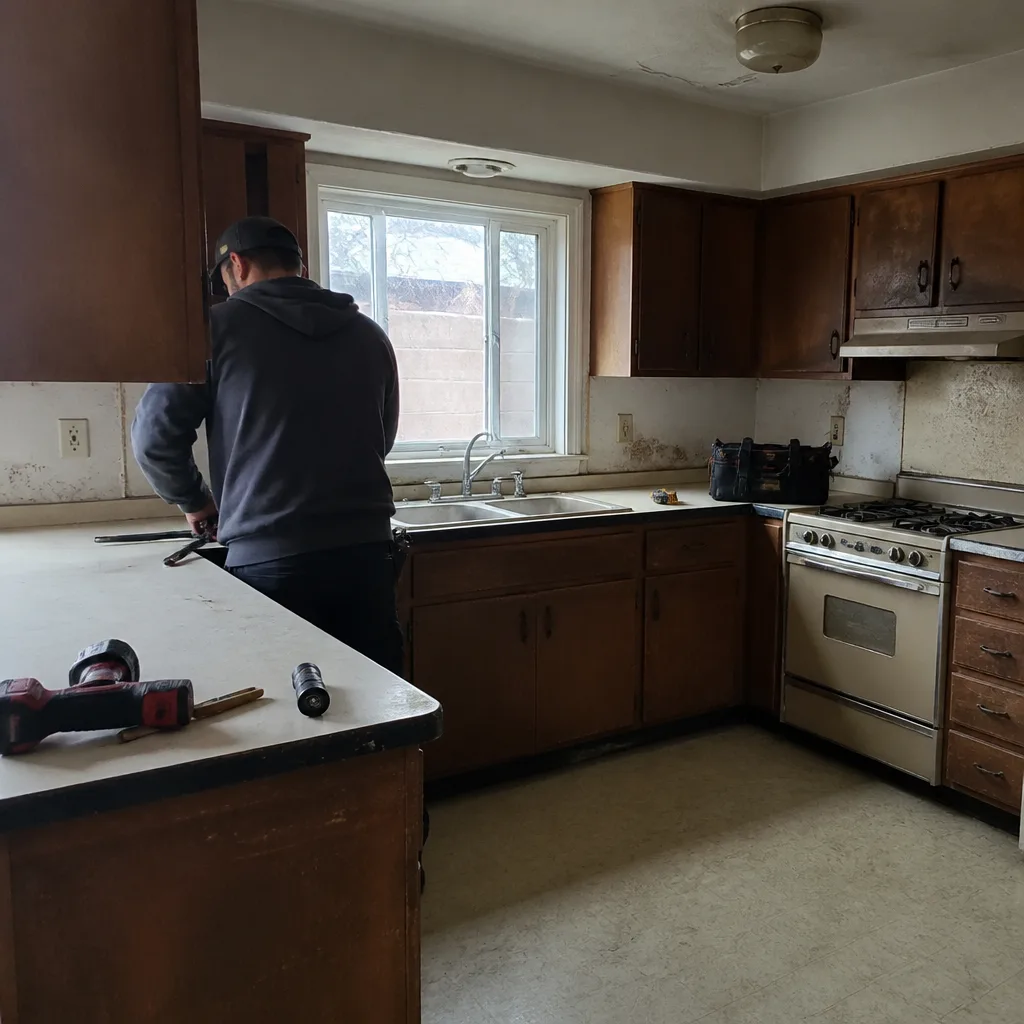
See the difference
 Before
 After
 Before
 After
 Before
 After
When to Call a Professional
Some cost questions resolve on paper. Others need a professional standing on your property. Call a professional when you’re changing structure in any way (additions, wall removals, window openings), when the work involves electrical or plumbing runs that move, when you’re replacing concrete or block and want an accurate local number rather than a national estimate, and when your project spans more than one trade and you want it managed under a single point of contact rather than coordinated by you.
If your project is at the bid-comparison stage, the most useful call you can make is to get a written line-item estimate that you can hold against any other bid. Enterprise Construction Co offers free estimates in Enterprise, covering the full property scope from roof to driveway. Call (844) 761-9449. We answer 24/7. Fast dispatch from 7am to 7pm, Sunday through Friday. Our technicians have up to 10 years of experience, and the estimate you receive will break out materials, labor, and permits as separate lines, so you can audit it against everything in this guide.
Frequently Asked Questions
A full kitchen remodel in Enterprise typically costs between $28,000 and $85,000, depending on cabinet line, countertop material, and whether the layout changes. A gut with semi-custom cabinets and quartz counters lands in the middle of that band; moving plumbing or opening walls pushes toward the top. Call (844) 761-9449 for an exact quote; estimates are free.
Concrete delivery premiums across the Southern Nevada valley, Clark County permitting on the work, and the tight labor market all push the per-square-foot number above the national median. The national average doesn’t account for any of those three, which is why it doesn’t apply here.
They should be. A bid that includes a permit line calculated from project valuation is a complete bid. A bid that omits it is incomplete, and you’ll see the cost added later. Ask directly whether the contractor pulls permits and handles inspections, and get the answer in writing.
With fixed pricing and a fully specified scope, the price does not change once work begins. Change orders should only occur when the homeowner requests a scope change, not because a line was underestimated. Ask any contractor to state, in the written estimate, whether the price is fixed. Call (844) 761-9449 for an exact quote; estimates are free.
A driveway replacement typically takes a few days including cure time, a block wall a few days to a week depending on length, a stucco recoat about a week including prep and finish, and a full kitchen remodel several weeks. Any estimate that doesn’t name a realistic duration in writing is incomplete. Call (844) 761-9449 for an exact quote; estimates are free.
Yes, and it’s a smart way to sequence a multi-project renovation. Start with structure and envelope, do hardscape and grading alongside that phase, then do interior work once the envelope is closed. Batching permits across phases reduces fees. The key is scheduling phases by dependency, not by convenience. Call (844) 761-9449 for an exact quote; estimates are free.
The Bottom Line
Every cost in this guide rests on the same premise: Enterprise is a specific market with specific drivers, and your bid should be built from those, not from a national average. Concrete delivery, block supply, steel and lumber volatility, and Clark County permitting all show up in the number, and all of them can be verified. A fixed price with no change orders, written line-item detail, and a stated permit scope is how you know you’re looking at a real bid and not a placeholder. When your project is ready to price, get the written estimate first, compare it line by line, and sequence phases so you’re not paying mobilization twice.
Call (844) 761-9449 for a free estimate. We answer 24/7. Fast dispatch from 7am to 7pm, Sunday through Friday.
Written by the team at Enterprise Construction Co.