
Last updated November 17, 2026






Free written scope consultation - allowances, timeline, and change-order rules on paper before a single trade is scheduled
DIY vs Professional Construction: The Enterprise Homeowner’s Decision Guide
Most homeowners think the DIY-versus-hire question hangs on skill. It doesn’t. Plenty of capable people can lay tile or hang drywall; the real question is whether the task carries permit requirements, liability exposure, or material performance conditions that turn an honest mistake into an expensive problem. In Nevada, an owner-builder who sells within one year of completing unpermitted work runs into disclosure and warranty liability that almost no DIY guide ever mentions. This guide gives you a task-by-task map: what you can own completely in Enterprise, what the law says must go to a licensed contractor, and how to price your own labor honestly. Enterprise Construction Co walks you through the middle ground too.
Quick Answer
The decision comes down to three filters, not skill: does the work require a permit, does it trigger Nevada contractor licensing rules, and does messing it up jeopardize a product warranty or structural safety? Finish tasks like painting, landscaping, and minor repairs are usually safe to DIY in Enterprise. Permitted structural, electrical, plumbing, and exterior work generally needs a licensed contractor. The middle path, where you manage the project and hire licensed trades only for inspected work, is often the smartest option for a capable homeowner.
Styles & brands we work with
- Kitchen remodeling
- Bathroom remodeling
- Home additions & ADU
- Roofing
- Windows & doors
- Driveway & pavers
- Fence
Table of Contents
- The DIY-Friendly vs. Must-Hire Task Matrix for Enterprise
- The Hidden Cost of DIY on Structural and Exterior Work
- What Nevada Law Requires From a Licensed Contractor
- The Middle Ground: Homeowner-Managed Projects
- How to Calculate the Real Hourly Cost of Your Own Labor
- Material Performance Conditions in Enterprise’s Climate
- How the Permit and Inspection Process Actually Works
- Why Brand Specification Matters More Than You Think
The DIY-Friendly vs. Must-Hire Task Matrix for Enterprise
Not every project deserves the same answer. Some jobs a careful homeowner can finish to a high standard; others carry permit requirements, safety hazards, or warranty conditions that make professional execution the only sensible route. Here’s how we break it down for Enterprise homeowners.
Generally DIY-friendly in Enterprise:
- Interior painting, including trim and doors
- Landscaping, planting, and garden bed work
- Minor repairs: patching drywall, replacing a faucet cartridge, tightening hardware
- Pressure-washing driveways and patios (carefully, to avoid etching pavers)
- Swapping light fixtures where no new wiring is added
- Assembling flat-pack cabinetry and shelving
Where permits or licensing make professional work non-optional:
- Any new electrical circuit, panel change, or rewiring
- Plumbing rough-in, moving drains, or gas line work
- Structural changes: removing a wall, adding a beam, framing an addition
- Roof replacement and window replacement (permit plus product warranty conditions)
- New fence lines and hardscape work that touches grading or property lines
- ADU and home addition construction
The line isn’t about whether you’re handy. It’s about whether the work is inspected, defensible, and covered if something fails. For anything in the second list, a licensed contractor who pulls the permit and passes inspection is the only version of the job that protects your home’s value.
The Hidden Cost of DIY on Structural and Exterior Work
First-time installers waste materials at a higher rate than experienced crews, and on exterior work that waste is expensive. Roofing, siding, windows, and hardscape materials don’t come cheap, and a mismeasured cut or a poorly planned run can waste a significant share of a bundle. That’s before you count the timeline extension when a job takes three times longer than planned.
The bigger hidden cost is warranty voidance. Most premium building products carry warranties that are conditional on installation to manufacturer specification by a qualified installer. If you install Enterprise Construction Co spec materials yourself, whether that’s a Therma-Tru entry door or a James Hardie siding panel, you can void the coverage the moment a defect appears. That’s a real financial loss, not a technicality. We specify Therma-Tru doors because the warranty and the installation standard travel together; if the install isn’t done to spec, the brand’s accountability doesn’t apply.
Structural and exterior work also carries safety exposure. Roof work, window replacement, and anything that touches the building envelope involve fall risk and weather exposure. On a project like that, a trained professional is not optional. For a broader look at how to scope a roof or window project properly, our team can walk you through what the manufacturer requires.
What Nevada Law Requires From a Licensed Contractor
Nevada contractor licensing law is specific: certain work must be performed by a licensed contractor, regardless of whether the homeowner wants to do it themselves. The state’s licensing board sets thresholds for contract value and defines the categories of work that require a license. Generally, projects above a defined dollar threshold and any work requiring a building permit fall within that scope. The practical takeaway for Enterprise homeowners is simple: if the job needs a permit, it typically needs a licensed contractor, and skipping that step creates liability you carry forward when you sell.
An owner-builder exemption exists for a homeowner building on their own property, but it comes with limits. If you sell the property within one year of completing unpermitted work, you face specific disclosure obligations and potential warranty liability. That’s a real risk in a market where homes change hands regularly. Many homeowners in Enterprise don’t plan to sell, then life happens, and the unpermitted addition or the self-installed window becomes a problem at closing.
This is why our approach is to pull permits and pass inspections on every project that requires them, from a bathroom remodel to a new roof. It costs a little more up front and protects you for the life of the home. If you’re unsure whether your project crosses the line, ask your city’s building department directly before you pick up a tool.
The Middle Ground: Homeowner-Managed Projects
You don’t have to choose between full DIY and handing the whole project to a general contractor. A third path works well for capable homeowners: you act as your own project manager, hire licensed trades for the permitted and inspected portions, and handle the finish tasks yourself. This keeps costs down while preserving the legal and warranty protections that matter.
Here’s how a homeowner-managed project typically runs:
- Scope the work by category. Separate the job into licensed-and-permitted work (structural, electrical, plumbing, roofing) and finish work (painting, trim, landscaping, hardware).
- Pull permits for the licensed portions. Hire a licensed trade for each inspected scope and confirm they’ll pull the permit and pass inspection.
- Sequence the trades. Electrical and plumbing rough-in come before drywall; drywall and painting come after inspection passes. Get the order wrong and you pay twice.
- Own the finish work. Once the inspected work is signed off, take on painting, trim, fixtures, and landscaping yourself if you want to.
- Keep a record. Save every permit, inspection card, and warranty document for resale and for future insurance claims.
The catch is coordination. Managing trade handoffs is the part most homeowners underestimate. If you’d rather not run that scheduling yourself, Enterprise Construction Co can handle the full scope under one point of contact, which is exactly the complexity the model is designed to absorb.
How to Calculate the Real Hourly Cost of Your Own Labor
DIY looks free because your time doesn’t show up on a receipt. But your labor has real cost, and once you add tool rental, material waste, and a stretched timeline, the math changes. Before committing to a big DIY job, work the numbers honestly.
Use this method:
- Estimate the hours. Look up how long the job takes a professional, then triple it for a first-time attempt. This is a realistic rule, not pessimism.
- Add tool rental and purchase costs. Tile saws, nailers, scaffolding, and specialty tools add up fast when you’re only using them once.
- Add material waste. Figure on a meaningful overage for first-timers. If you’re not sure you’ll finish cleanly, you’ll be buying more of the same material twice.
- Add the timeline extension. Multiply your extra hours by what your time is worth. Even at a modest hourly value, a 60-hour project with a 20-hour rewrite adds up.
- Add the risk line. Factor in the chance you’ll need to hire someone to fix what you started. For structural, electrical, or roofing work, that risk is high.
When you total it, the gap between DIY and professional often shrinks to a number much smaller than homeowners expect, especially on exterior work where materials are expensive and mistakes are costly. That’s before you count the warranty value you lose.
Material Performance Conditions in Enterprise’s Climate
Enterprise sits in the Mojave Desert, and the climate shapes how materials perform. The swing between hot days and cool nights, the dry air, and the intense sun exposure all affect installation and long-term performance. Products have application conditions, temperature ranges, and curing requirements, and a job scheduled without regard to those windows can fail.
In our experience, exterior materials in Enterprise need to be specified for desert conditions. Paint, sealants, and adhesives have temperature limits, and installing them outside the right window causes adhesion failures and cracking. Roofing materials expand and contract more in high heat, which stresses fasteners and seams. Hardscape pavers need proper base preparation to handle the soil and drainage conditions in the valley. We specify Belgard and Unilock hardscape products because they’re manufactured to handle that kind of thermal cycling. If you’re planning a driveway & pavers project, base preparation and material selection are where the job succeeds or fails.
For a homeowner managing the install themselves, the risk is missing those conditions. Even a careful DIY job can fail if the sealant was applied at the wrong temperature or the base wasn’t compacted properly. A licensed contractor who installs these products regularly knows the conditions and plans around them.
How the Permit and Inspection Process Actually Works
Permits aren’t bureaucracy for its own sake. They exist to protect the homeowner, the future buyer, and the neighborhood. For a homeowner deciding between DIY and professional, understanding the permit process clarifies why certain work can’t reasonably be done without a licensed contractor.
A typical permitted project runs like this:
- Submit plans. The contractor or owner submits drawings and a scope description to the city’s building department. For a roof or window replacement, the submission is usually simpler than for a structural addition.
- Pay the permit fee and get approval. The city reviews the plans and issues the permit. Timelines vary by project type, so build this into your schedule.
- Schedule inspections. Inspectors check the work at defined stages: framing, rough-in, final. The work can’t advance past an inspection until it passes.
- Pass the final inspection. Once the final inspection passes, the permit is closed and the work is legally recorded.
When you hire a licensed contractor, the contractor usually pulls the permit and manages the inspections, which means you get the protection without the paperwork. At Enterprise Construction Co, permits and inspections are part of the standard scope on every project that needs them. That’s the difference between work that passes and work that becomes a problem at resale.
Why Brand Specification Matters More Than You Think
Brand choice isn’t just an aesthetic decision. Premium building products come with specifications, and the warranty is conditional on installation to those specs. That’s why we specify the brands we do: not for a label, but for the performance and accountability that travel with the product.
Take windows and doors. A Therma-Tru entry door is built to specific tolerances, and installing it correctly means respecting the rough opening, flashing, and sealing requirements the manufacturer specifies. If you install it incorrectly, the product’s warranty may not cover the failure. The same logic applies across categories: KraftMaid and Wellborn cabinetry, Kohler and Moen fixtures, Cambria and Caesarstone countertops each carry installation requirements that protect the homeowner when followed. A qualified installer who works with these brands regularly knows the spec. A DIY install, even a careful one, can void the protection you paid for.
For window replacement and door installation specifically, our team works to the manufacturer’s standard because that’s what keeps the warranty valid. If you’re planning a window or door project, ask about the spec before the work begins. It’s the detail that separates a durable install from a call for repairs two winters from now. Our approach on fence installation works the same way: material choice and installation method determine how the fence holds up in desert conditions.
Common Mistakes to Avoid
- Assuming skill equals readiness. Being handy doesn’t mean you’re prepared for the permit, inspection, and warranty requirements on structural work. Check the rules before you start, not after.
- Skipping the permit to save time. Unpermitted work creates disclosure and warranty liability when you sell in Enterprise. The short-term convenience isn’t worth the long-term risk.
- Ignoring manufacturer installation conditions. Desert heat and temperature swings affect adhesives, sealants, and coatings. An install outside the product’s conditions can fail even if the workmanship looks fine.
- Underestimating material waste. First-time installers waste more material than experienced crews. On expensive exterior products, that overage is a real cost.
- Misjudging trade sequencing. Electrical and plumbing rough-in must pass inspection before drywall goes up. Get the order wrong and you pay to redo finished work.
- Voiding a warranty you paid for. A product installed off-spec may lose its coverage. On a door or window, that’s a significant loss.
- Forgetting to keep records. Permits, inspection cards, and warranty documents matter at resale and in insurance claims. Keep them in one place.
See the difference
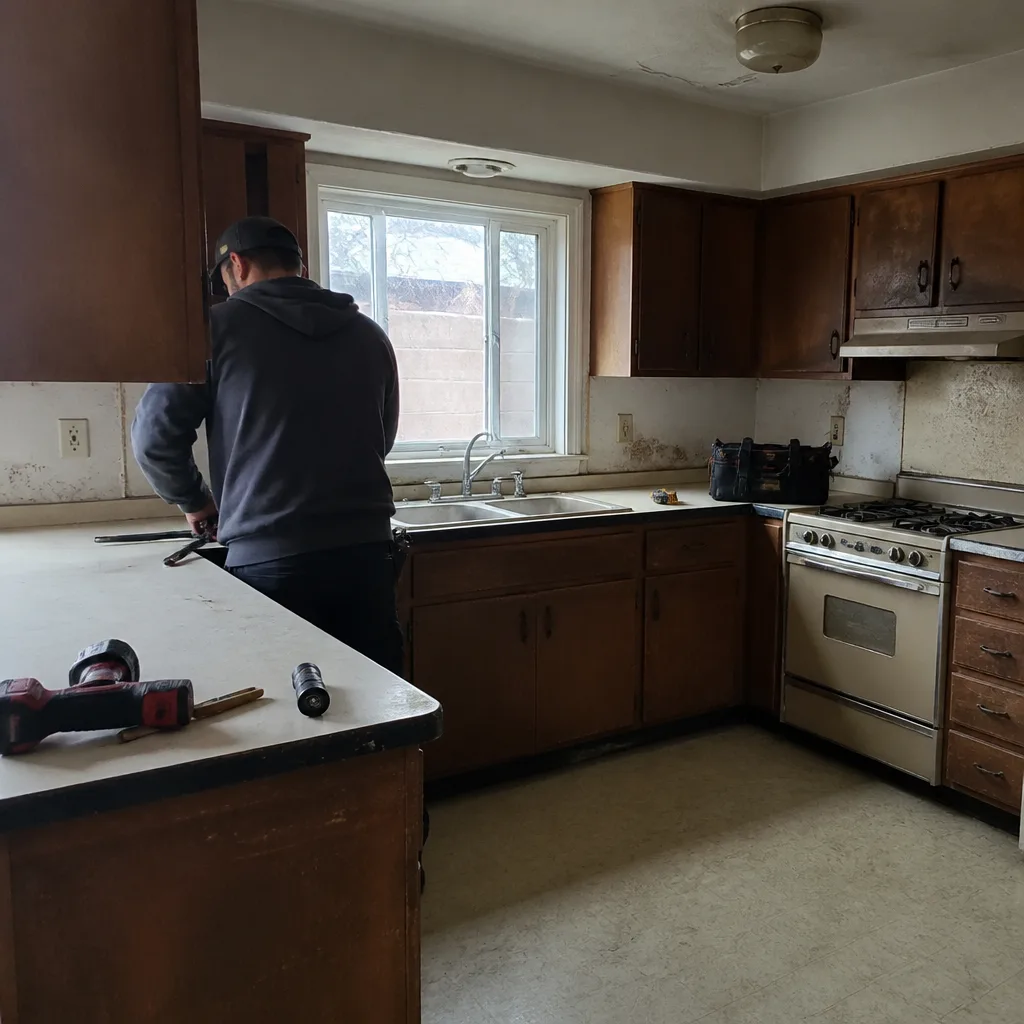 Before
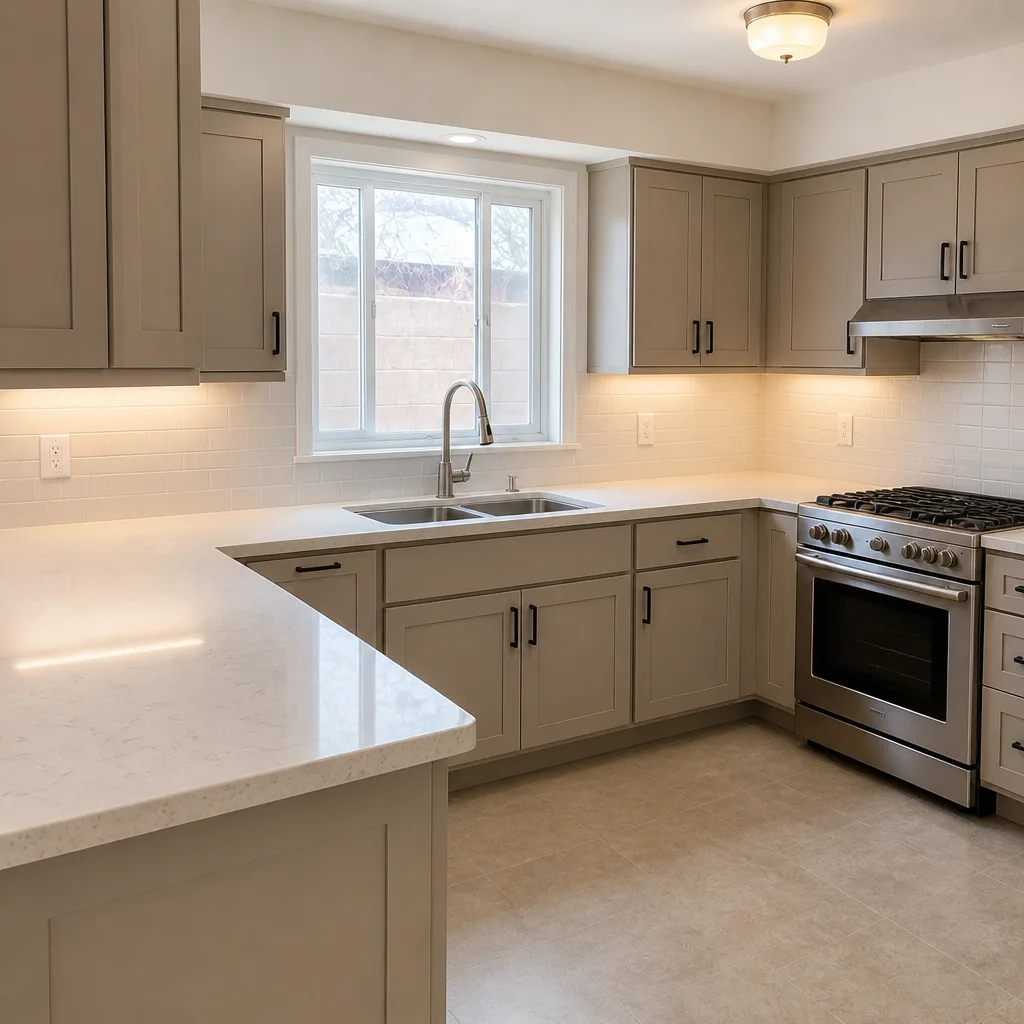 After
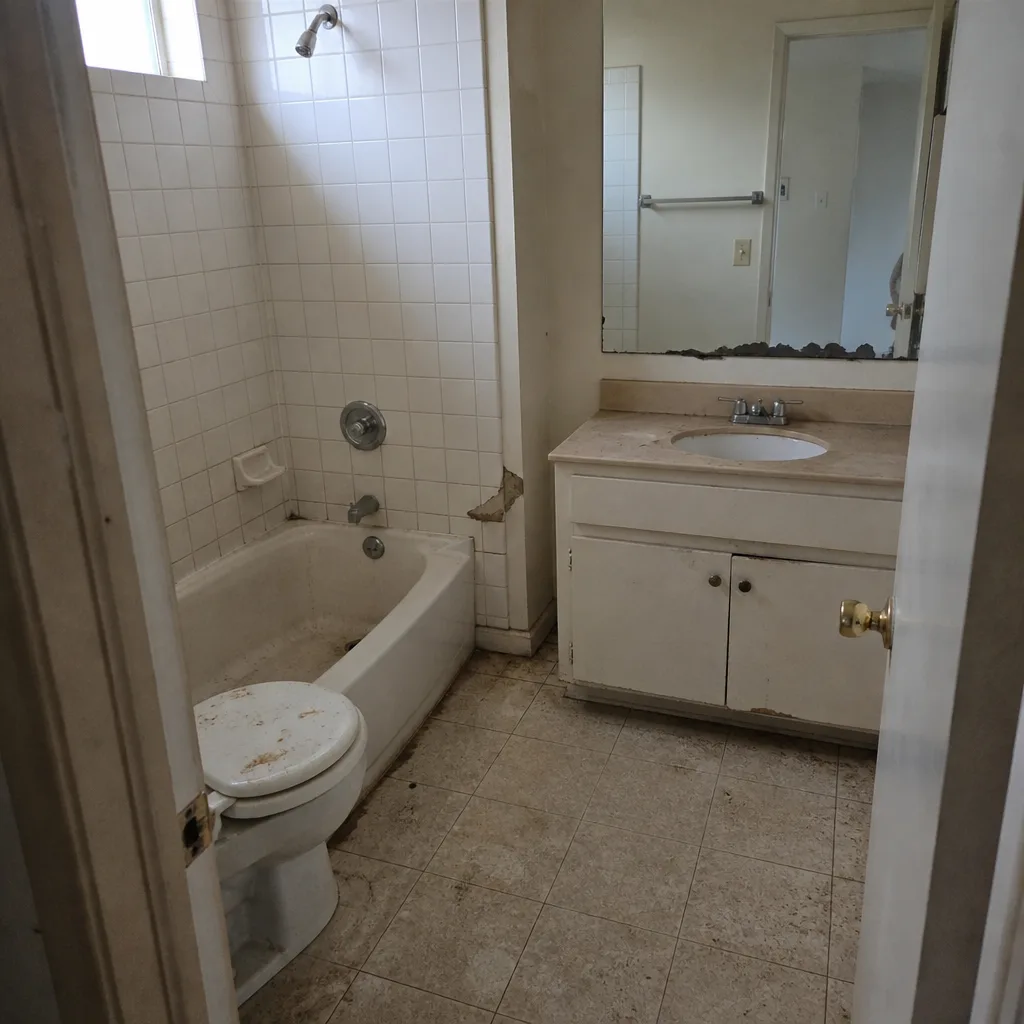 Before
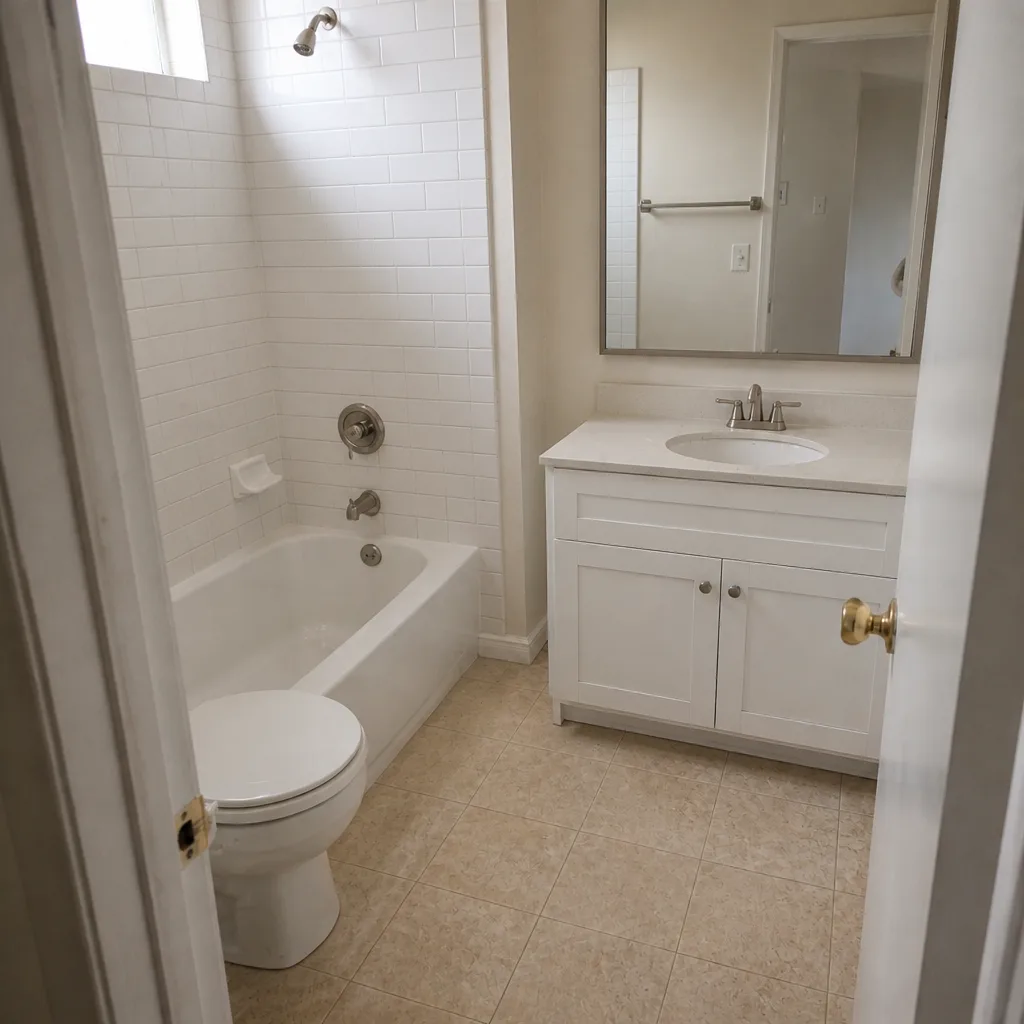 After
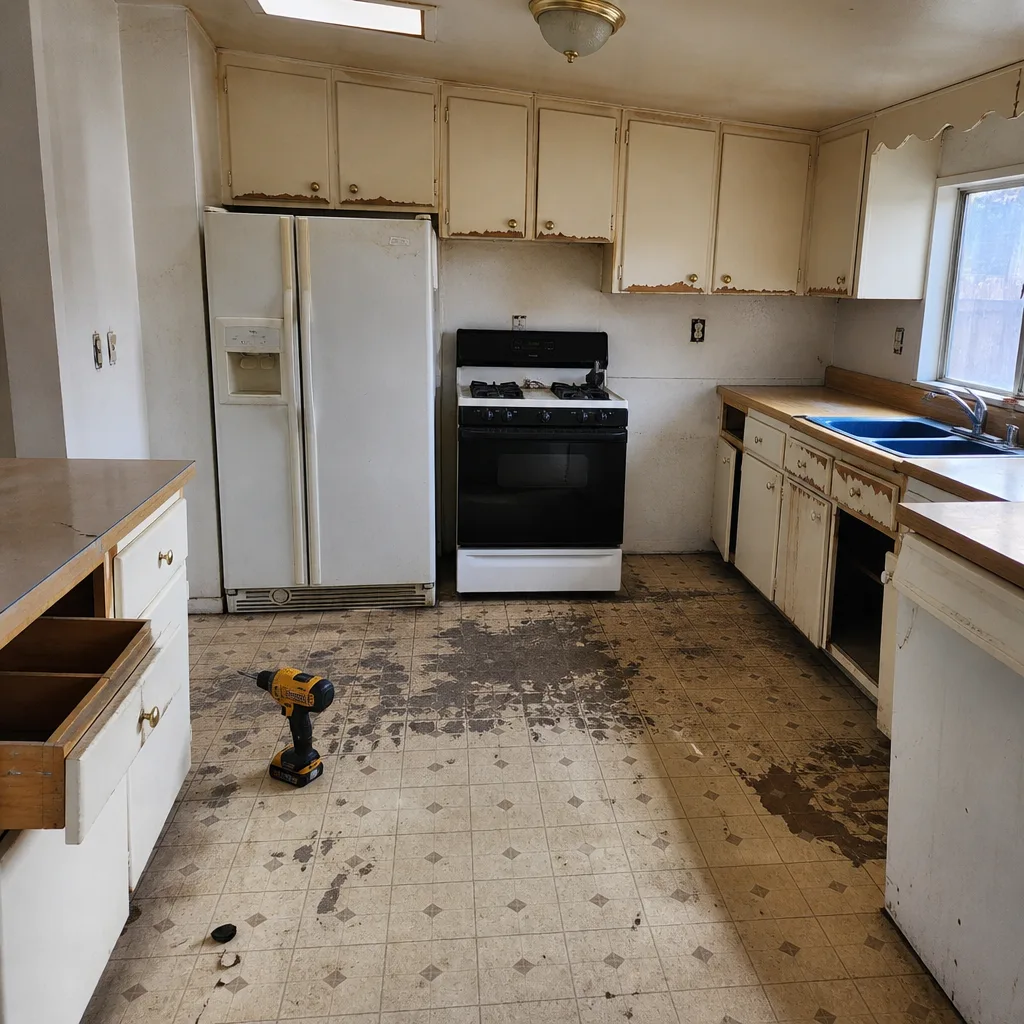 Before
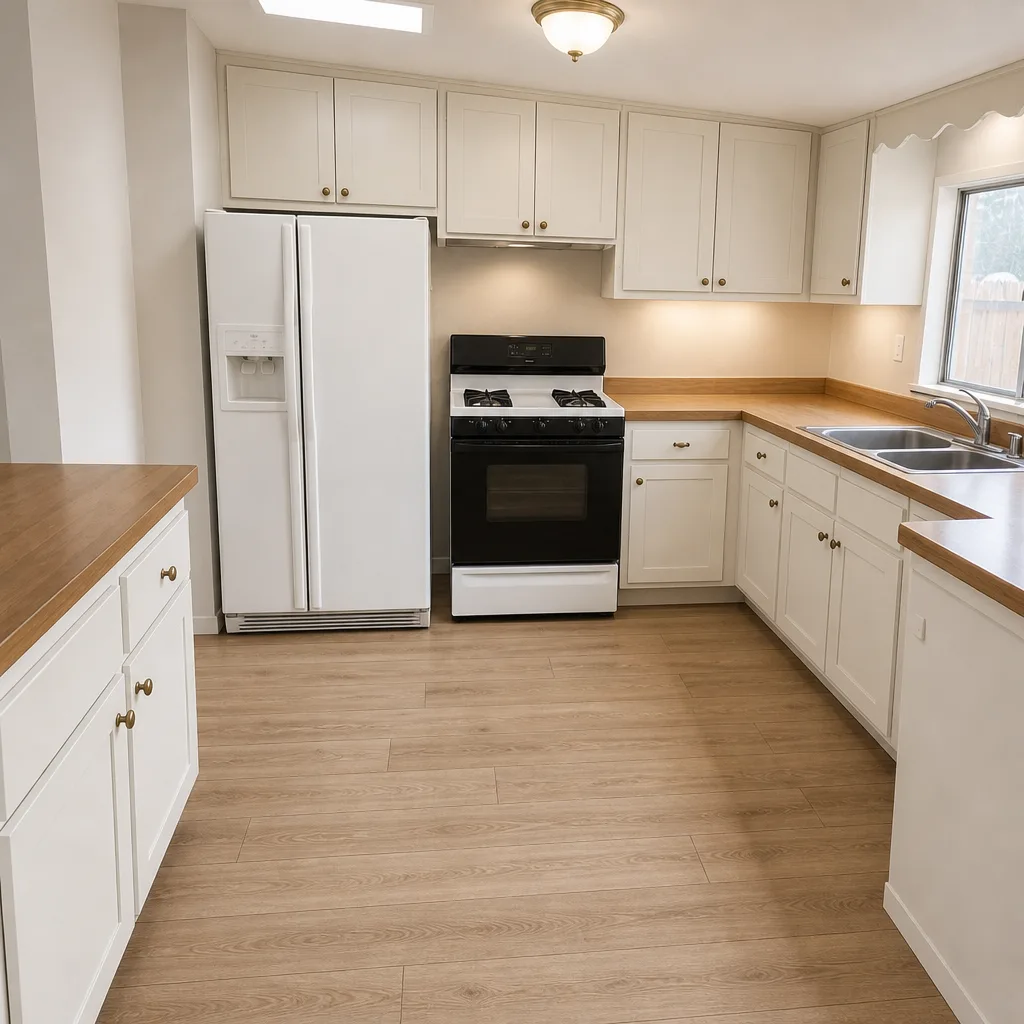 After
When to Call a Professional
Call a licensed professional when the work needs a permit, when it touches structural, electrical, plumbing, or gas systems, when it involves roof or window replacement, or when the product warranty depends on installation to spec. If you’re unsure whether your project crosses those lines, that uncertainty is itself a reason to ask. Safety matters here too: roofing, window work, and anything at height carries genuine fall risk, and those jobs should always go to a trained professional. For a project that spans multiple trades, like an addition or ADU, coordinating licensed work under one contractor is the cleaner path. Our home additions & ADU work shows how that coordination functions when scope is complex. Enterprise Construction Co offers free estimates in Enterprise. Call (844) 761-9449. We answer 24/7. Fast dispatch from 7am to 7pm, Sunday through Friday.
Frequently Asked Questions

You can generally handle finish work, painting, landscaping, and minor repairs yourself. Any work requiring a permit, or that falls above Nevada’s licensing threshold, needs a licensed contractor. If you’re unsure, ask the city’s building department before you start; the answer depends on your specific project.
Yes. Nevada’s owner-builder rules create disclosure and warranty liability if you sell within one year of completing unpermitted work. Even outside that window, buyers and lenders can question unpermitted work, so it’s better to pull the permit from the start. Call (844) 761-9449 for a free estimate on a permitted scope.
Yes, and it’s often the best middle ground. You act as your own project manager, hire licensed trades for the permitted and inspected work, and handle finish tasks yourself. The challenge is scheduling the handoffs correctly; if you’d rather not manage that, one contractor can absorb the coordination.
It can. Many premium products, including doors, windows, and siding, carry warranties conditional on installation to manufacturer specification by a qualified installer. Installing off-spec may void the coverage. That’s why we install to manufacturer spec on every project.
We’re closed Saturday. We’re open Sunday through Friday, 7am to 7pm. Call (844) 761-9449 and we’ll book your project into the next available dispatch window.
The estimate is free, and the price is set per job by the written estimate. Call (844) 761-9449 to schedule yours. We answer 24/7. Fast dispatch from 7am to 7pm, Sunday through Friday.
The Bottom Line
The DIY-versus-hire decision isn’t about whether you’re handy. It’s about permits, liability, and whether the product warranty survives your install. Finish work like painting and landscaping is genuinely doable. Permitted structural, electrical, plumbing, roofing, and window work is not, because Nevada law, inspection requirements, and manufacturer specifications all make professional execution the safer and often cheaper path once you account for waste, tool costs, and timeline. The middle ground, managing the project yourself while hiring licensed trades, is a smart option for many homeowners. If you’d rather have one point of contact from driveway to rooftop, Enterprise Construction Co handles the full scope. Call (844) 761-9449 for a free estimate.
Written by the team at Enterprise Construction Co.