Last updated November 17, 2026




Free written scope consultation - allowances, timeline, and change-order rules on paper before a single trade is scheduled
Construction Emergency Preparedness Guide for Enterprise Homes
Most homeowners think a construction emergency starts with a loud noise. In our experience, the expensive ones start quietly: a slow stain on a ceiling, a door that suddenly won’t latch, water pooling where the driveway meets the slab. The problem is usually not the event itself but the weeks of delay that follow while you find someone available, wait on a quote, and hope the damage hasn’t spread. This guide covers how an Enterprise homeowner should prepare before something fails, what to do in the first hour, and how to build a home that gives you fewer emergencies in the first place. We’ve built our approach at Enterprise Construction Co around exactly that idea.
Quick Answer
Construction emergency preparedness for an Enterprise home means three things: knowing which systems fail first (roof, irrigation and grading, doors and windows, plumbing supply lines), having a documented plan and a call-first list before anything happens, and using the right materials so a small failure doesn’t cascade. In the high-desert climate here, most home emergencies start with water or wind, not fire, and most of the damage happens in the 48 hours after the event, while you’re deciding who to call. Knowing the plan and the phone number before the water starts running is the entire game.
Styles & brands we work with
- Kitchen remodeling
- Bathroom remodeling
- Home additions & ADU
- Roofing
- Windows & doors
- Driveway & pavers
- Fence
Table of Contents
- Why Construction Emergencies in Enterprise Are Usually Delayed, Not Sudden
- What to Do in the First Hour of a Construction Emergency
- The Seven Failure Points We Check on Every Enterprise Home
- How Material Choice Reduces Emergency Risk
- Your Annual Preparedness Steps, by Season
- The Documentation Every Homeowner Should Keep
- When to Call a Professional
- Frequently Asked Questions
Why Construction Emergencies in Enterprise Are Usually Delayed, Not Sudden
Enterprise sits on high-desert ground with a climate that cycles between long dry stretches and sudden hard downpours. That pattern creates a specific kind of risk: soil that has baked hard and lost its ability to absorb water. When a real storm lands, water that would sink into the ground in other regions instead runs, and it runs toward the lowest point on your property. In our experience, the damage happens not because the storm was unusual but because the property was never graded to move water away from the house in the first place.
The same is true of roofs and windows. High sun and dry air are hard on sealants, flashing, and window gaskets. A small, unremarkable gap at a flashing detail sits there for two years and then opens just enough to let water in during a storm. By the time you notice the stain, the ceiling has been wet for a while.
So the useful mental model isn’t “what will happen suddenly?” It’s “what has been quietly failing, and when will the first real test expose it?” Preparedness is mostly about finding the slow failures before the weather finds them.
- Water is the most common source of construction-related damage in Enterprise homes.
- Wind-driven rain gets in at flashing, door sweeps, and window perimeters.
- Dry heat ages exterior sealants and caulk faster than most homeowners assume.
- Most damage is contained in the first two days – the cost is usually the delay, not the event.
What to Do in the First Hour of a Construction Emergency
The first hour is not the time to diagnose. It’s the time to stop the damage from spreading, take a clear record, and start getting professional eyes on it. Work through this sequence in order.
- Stop the flow. If water is coming in, shut off the main supply or the affected branch valve. If the source is the roof or an exterior wall, move furniture and valuables out of the path and use containers and towels to redirect water away from outlets and flooring.
- Cut power to any wet electrical area. If water is anywhere near outlets, switches, or the panel, kill the breaker before you touch anything. Water and electricity is the one combination you never handle yourself.
- Document before you clean. Photograph the water line, the damaged materials, the source, and the wider room. Date the photos. This is what your insurer and your contractor will want later.
- Get airflow moving. Open windows, run fans, and pull up soaked rugs or mats. The faster you dry the space, the less chance of mold.
- Make the call. Call your contractor and your insurer early. The person who sees the damage first is the one best positioned to prevent the cascade.
- Don’t take on the fix yourself. Roof climbing, electrical work, and gas are not DIY territory. Leave those to a trained professional.
This is where Enterprise Construction Co fits naturally. Because we handle roofing, windows and doors, plumbing fixtures, and hardscaping under one relationship, we can look at a water intrusion that could be coming from any of those and find the actual source instead of the first plausible one. One point of contact, one walkthrough, one plan.
Call (844) 761-9449 and we’ll get a free estimate scheduled for the inspection and repair. We answer 24/7. Fast dispatch from 7am to 7pm, Sunday through Friday.
The Seven Failure Points We Check on Every Enterprise Home
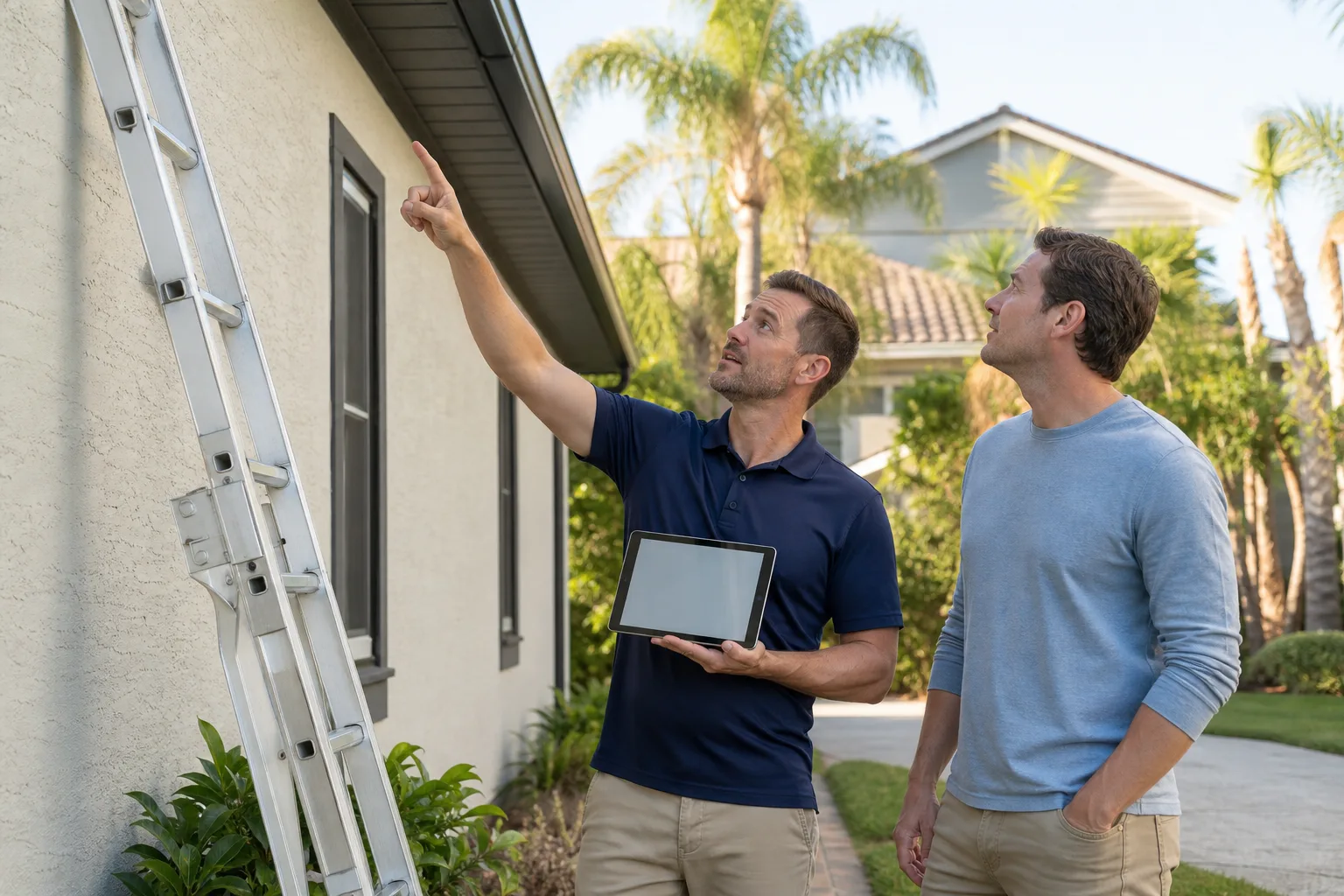
Over the years, our technicians (some with up to 10 years of experience) have learned that the same handful of places fail first. This is the inspection list we walk through on every home, and it’s the list every homeowner should be able to recreate on their own property.
- Roof-to-wall flashing. Where the roof meets a vertical wall or chimney, the flashing is doing the hardest work. Failed sealant here is the single most common cause of interior water stains.
- Roof valleys and penetrations. The valleys collect debris; vent pipes, skylights, and HVAC curbs are where installers often skip the recommended step. With GAF, CertainTeed, and Owens Corning systems specified to manufacturer details, the flashing is part of the system, not an afterthought.
- Window and door perimeters. Gaskets, seals, and thresholds age. PGT and CGI impact windows and Therma-Tru doors installed to spec hold their seal far longer, but they still need periodic inspection.
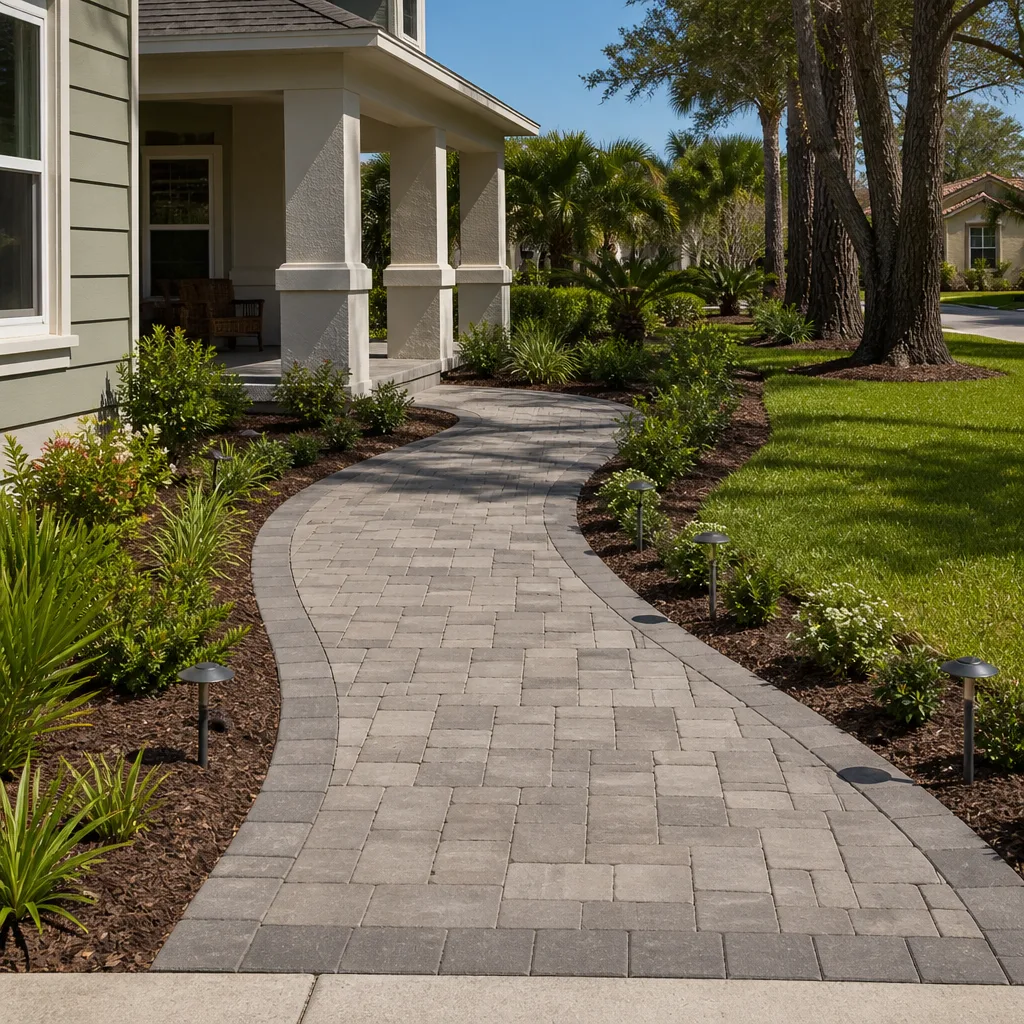
- Irrigation and grading. Sprinklers leak, low spots form, and water starts moving toward the foundation. The Belgard and Unilock paver systems we install are detailed to slope water away from the house by design.
- Supply lines and fixture connections. Braided stainless supply lines fail at the crimp. Under-sink valves and shutoffs stop sealing. We specify Kohler, Moen, and Delta fixtures for their connection quality, and we always install an accessible shutoff.
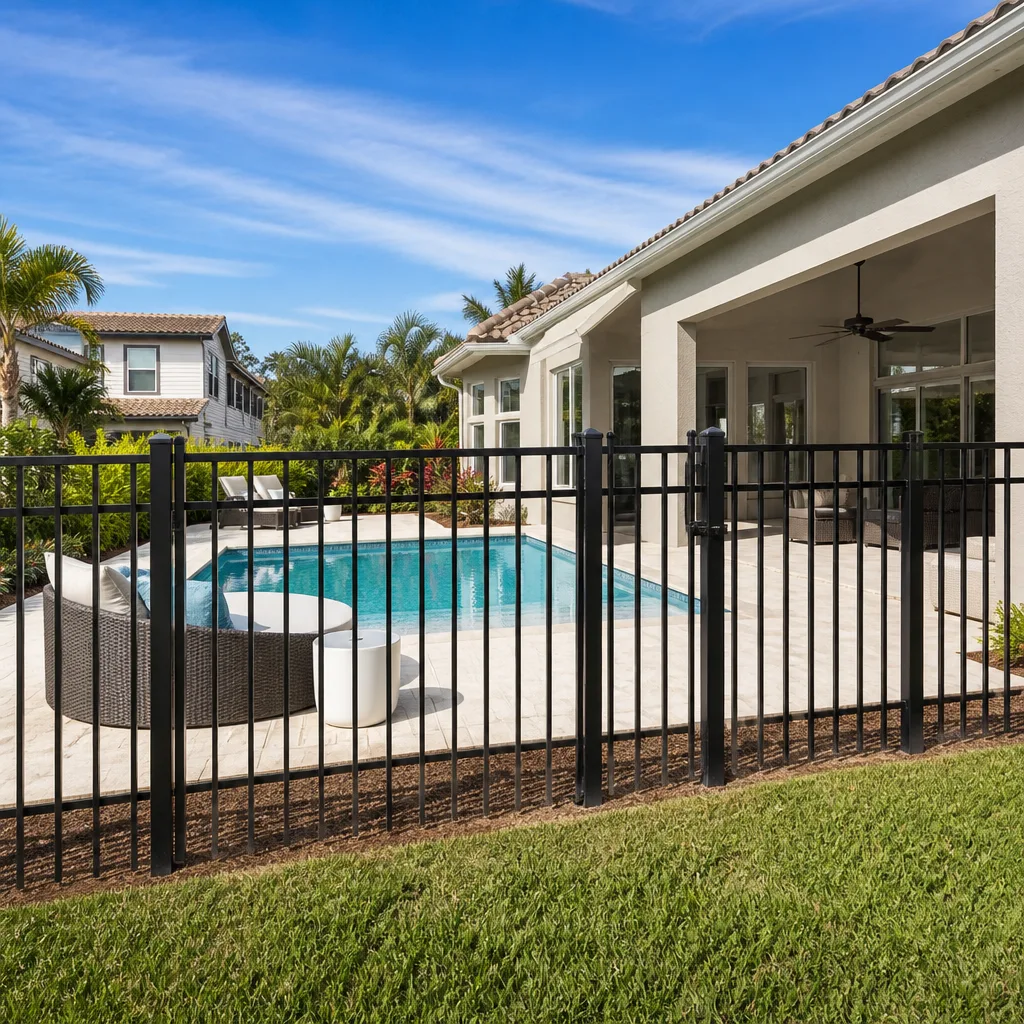
- Fence posts and gates. Wind loads a fence first at the posts and gate hardware. A gate that stops latching straight is a wind damage warning, not a hardware coincidence.
- Attic and crawlspace moisture. A slow drip that never reaches the ceiling still humidifies the attic, which shortens the life of the roof deck and insulation. Check for staining and dampness, not just drips.
How Material Choice Reduces Emergency Risk
A home built to manufacturer spec is far less likely to produce an emergency than a home where the cheapest compatible product was substituted. This is where brand choice actually matters to preparedness, and it’s why we specify particular brands across every category.
For roofing, we install GAF, CertainTeed, and Owens Corning systems because their published flashing and underlayment details are complete and inspectable. For windows and doors, PGT and CGI impact products carry their own performance testing, and Therma-Tru exterior doors are built to hold their seal. For plumbing, Kohler, Moen, and Delta fixtures balance water pressure and connection quality, and Blanco sinks are engineered for the sort of countertop install that doesn’t stress the plumbing below.
On the exterior, James Hardie siding handles high-desert heat cycling better than fiber cement of lesser spec, and the hardscape partners we work with – Belgard, Unilock, Techo-Bloc, Tremron, and Cambridge Pavers – engineer their base and joint details so the surface moves water where you want it.
This is where a multi-trade contractor pays off. The flashing detail on the roof matters to the wall, which matters to the window, which matters to the grading below it. When one company owns all of them, the details talk to each other instead of being each other’s problem.
- Roofing: GAF, CertainTeed, Owens Corning
- Windows and doors: PGT, CGI, Therma-Tru, James Hardie siding
- Plumbing and fixtures: Kohler, Moen, Delta, Blanco
- Hardscape: Belgard, Unilock, Techo-Bloc
Your Annual Preparedness Steps, by Season
Enterprise homes don’t all see the same weather at the same time, but the prep calendar is consistent. Walking through these steps twice a year catches most slow failures before they become a real problem. Any time you’re not sure how something looks compared to how it should, ask a professional to look at it.
Before the rainy season
- Walk the roof perimeter from the ground with binoculars and note lifted shingles, damaged flashing, or missing granules.
- Clear gutters, downspouts, and roof valleys. Debris that collects turns a normal storm into a backup.
- Test every exterior door sweep and window seal. If the door doesn’t close tightly, the wind-driven rain will find it.
- Check grading around the foundation. If there’s a low spot within a few feet of the wall, correct it.
- Inspect irrigation for leaks and shut the system down before the season turns if you’re not running it.
Before summer heat
- Inspect caulk and sealant on windows, doors, and exterior joints for cracking or peeling.
- Check attic ventilation and insulation dampness.
- Look at shade structures, pergolas, and fences for loose posts or hardware.
- Test every under-sink shutoff and every supply line for dampness.
- Check the driveway and pavers for settlement or cracks that could channel water to the house.
We’ve written about the full-exterior scope in more depth on the Enterprise Construction Co home page, and you can go deeper on specific categories through driveway & pavers, fence installation, and home additions & ADU if your project goes that direction.
The Documentation Every Homeowner Should Keep
The single most useful thing you can do for preparedness is also the least exciting: keep a documented file of your home. In our experience, homeowners who can produce this file in an emergency recover faster, get seen sooner, and end up with a repair that actually fixes the problem rather than patches the symptom.
We recommend a folder (physical or digital) with:
- An exterior photo inventory. Photos of every roof slope, every elevation, every window, every door, taken at a consistent angle so you can compare year over year.
- Brand and model records. Which roofing system (GAF, CertainTeed, Owens Corning), which window and door products (PGT, CGI, Therma-Tru), which fixtures (Kohler, Moen, Delta), which hardscape (Belgard, Unilock, Techo-Bloc). This matters enormously when a specific replacement part is needed.
- Installation dates for everything with a warranty.
- Contractor and warranty contacts. One page with names and numbers.
- Insurance policy and claim number.
- A one-page “if something fails” plan. Who you call first, who handles insurance, where the main water shutoff is.
If your records are incomplete, we can walk the property and rebuild the inventory with you. It’s part of what a full-property scope actually buys you: not just the work, but a documented baseline of the home.
Common Mistakes to Avoid
- Waiting for the leak to “get worse.” By the time you see the stain, the water has usually been present for weeks. Address the first sign, not the largest one.
- Calling a different trade for each symptom. Water coming through a window could be roof flashing, seal failure, or grading. Coordinating three contractors on a diagnosis wastes the first critical days.
- Cleaning up before photographing. Insurers and contractors need the original condition. Document first, then dry.
- Skipping the annual roof and exterior inspection because it “looked fine last year.” Seals and flashing age continuously in the Enterprise climate; a single year is plenty of time for a small gap to open.
- Choosing the cheapest sealant or caulk at the hardware store. Higher-quality sealants hold longer, and the difference in service life is dramatic.
- Letting the grading around the foundation drift. A slight negative slope toward the house is the single most common setup for water intrusion in this climate.
- Doing electrical, roof-height, or gas work yourself. These are genuinely dangerous and should always be handled by a trained professional.
When to Call a Professional
Call a professional immediately for anything involving water intrusion into the structure, a roof or exterior breach, damaged electrical, suspect gas, a window or door that won’t seal, a foundation crack, or anything that involves heights or structural assessment. These are not situations to diagnose over the phone and fix yourself. Call also for anything that has already started to smell, stain, or swell, since that means the damage is already real.
For slower issues – a gate that stops latching, a fixture that drips once a day, caulk that’s cracked but not failing – pick up the phone anyway. Small repairs are exactly what free estimates are for, and the conversation costs nothing. Enterprise Construction Co offers free estimates in Enterprise, and we walk the property with you to confirm whether the issue is cosmetic or the leading edge of something larger. Call (844) 761-9449.
Frequently Asked Questions
Water intrusion is by far the most common construction emergency in Enterprise, usually entering at roof flashing, window and door perimeters, or grading that has shifted toward the foundation. The high-desert climate hardens soil and ages exterior sealants faster than homeowners expect, so the first real storm often finds a slow failure that’s been open for a year. If you suspect water is getting in, call (844) 761-9449 – free estimates.
Treat it as an emergency if water is actively entering, if there’s any chance electricity is in contact with water, if a window or door is breached, or if structural material is visibly damaged. Slow drips, cracked caulk, one loose shingle, or a gate that hesitates will keep until a scheduled visit. When in doubt, call (844) 761-9449 and describe what you see – we can help you sort emergency from routine before you spend money.
Insurance coverage depends on the cause and the policy language; sudden events like wind-driven rain intrusion are typically covered, while slow deterioration usually isn’t. Document everything with photos before you clean up, call your insurer early, and have a contractor inspect the source. We can work with your insurer on documentation and repair scope. Call (844) 761-9449 for a free estimate.
We handle it across all seven of our service lines – roofing, windows and doors, kitchen, bath, home additions and ADU, fencing, and driveway and pavers – so a repair that spans multiple trades stays under one point of contact and one warranty conversation. That matters most in exactly this scenario, when water damage has touched more than one system. Call (844) 761-9449 to schedule a property walkthrough.
Insist on manufacturer-rated products installed to spec rather than the cheapest compatible substitute: a named roofing system (GAF, CertainTeed, or Owens Corning), impact-rated windows and doors (PGT or CGI), name-brand plumbing fixtures (Kohler, Moen, Delta), and hardscape with engineered drainage detailing (Belgard, Unilock, Techo-Bloc). The materials aren’t a luxury – they’re the difference between a home that holds up and one that keeps producing emergencies. Call (844) 761-9449 for a material review on your home.
We answer 24/7, and fast dispatch runs from 7am to 7pm, Sunday through Friday. A call outside those hours is booked into the next opening. For active water intrusion, we can talk you through stopping the spread before anyone is on site, so damage doesn’t stack up while you wait for a scheduled appointment. Call (844) 761-9449.
See the difference
 Before
 After
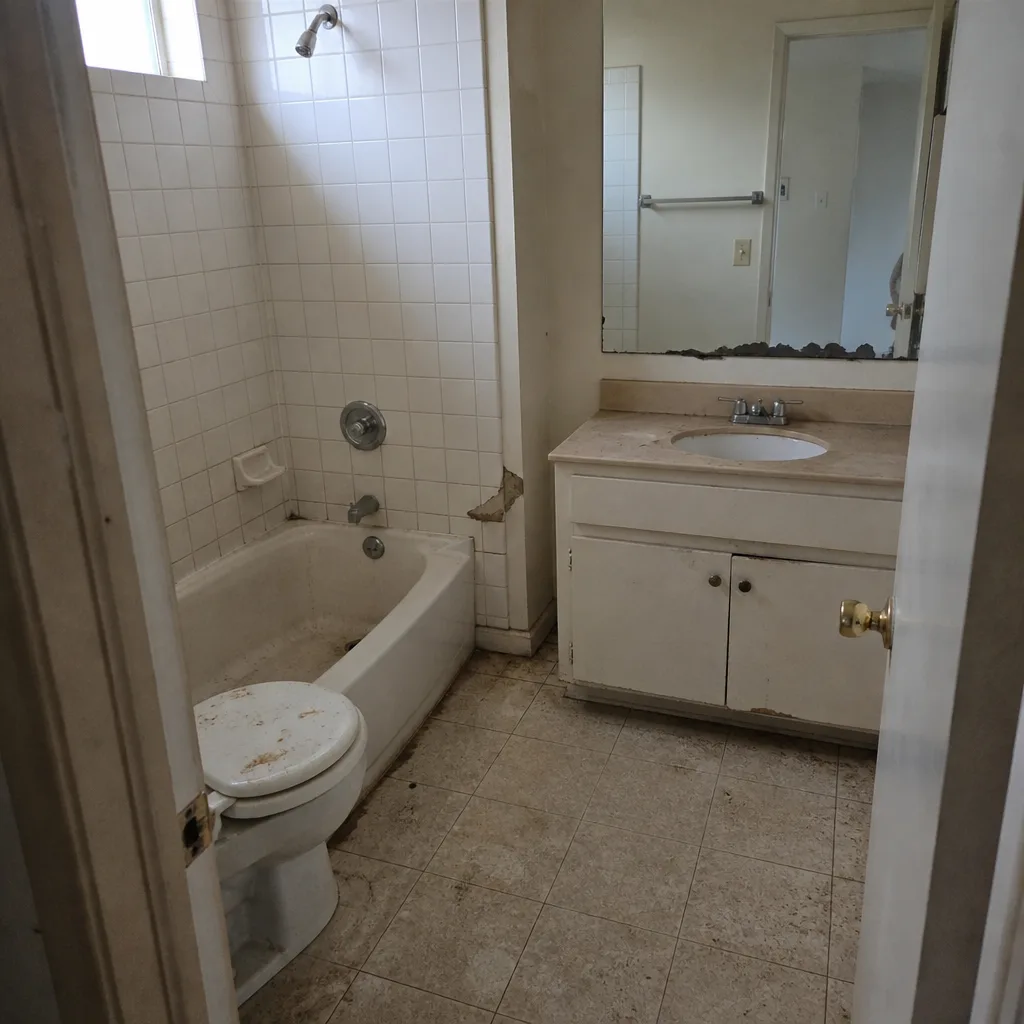 Before
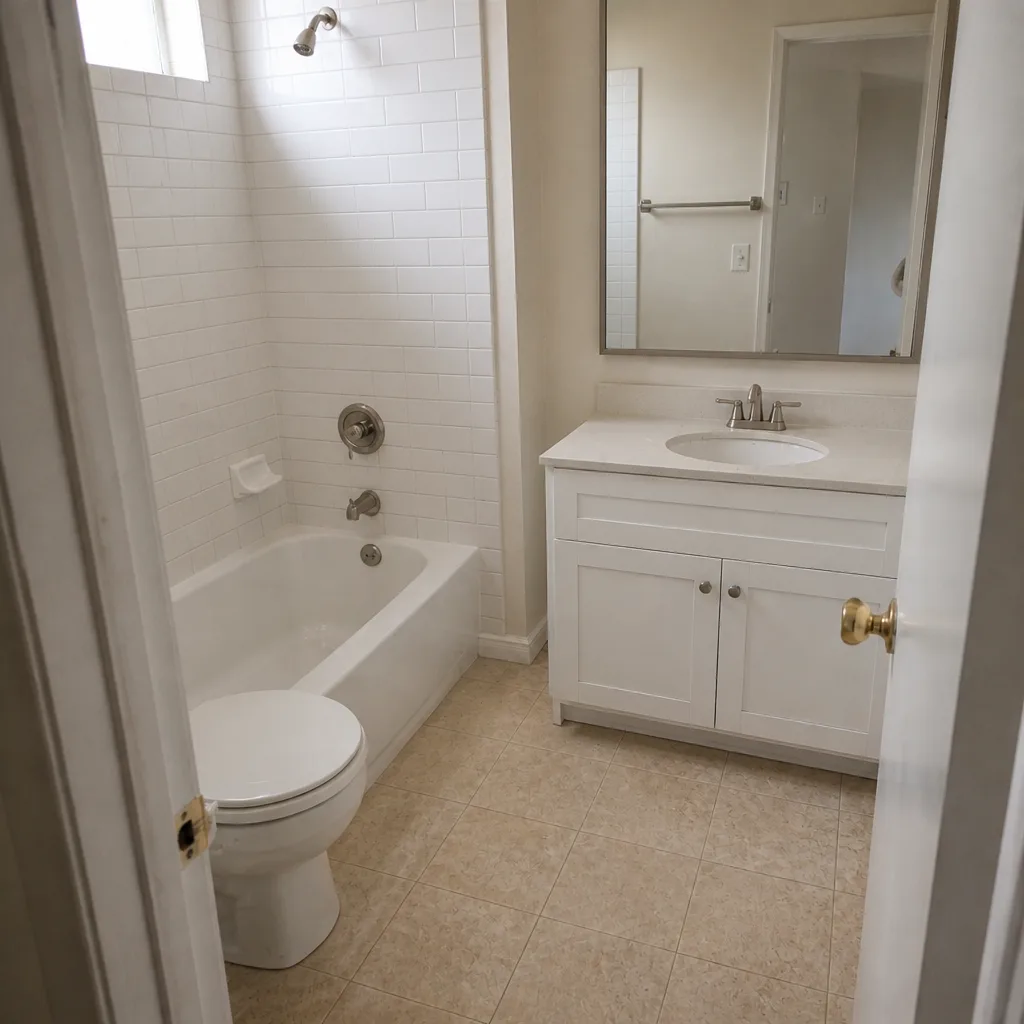 After
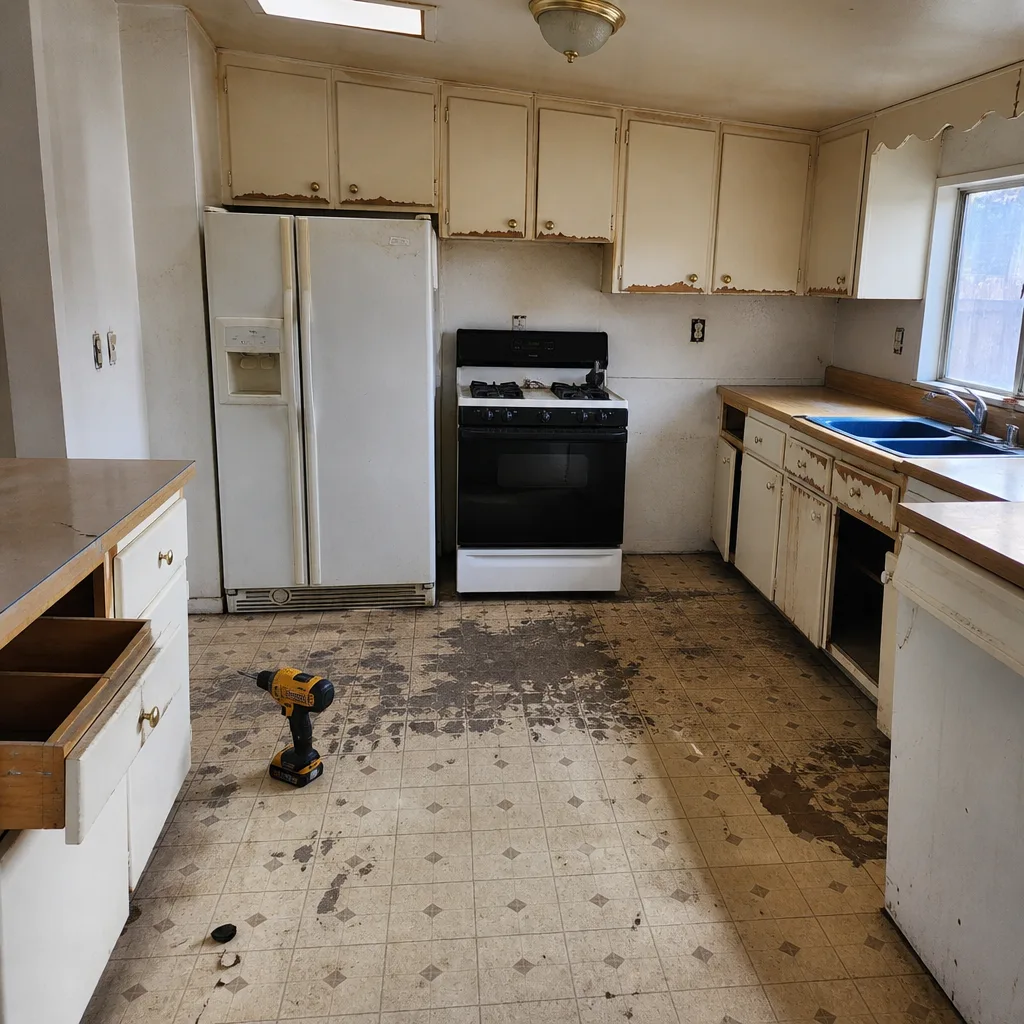 Before
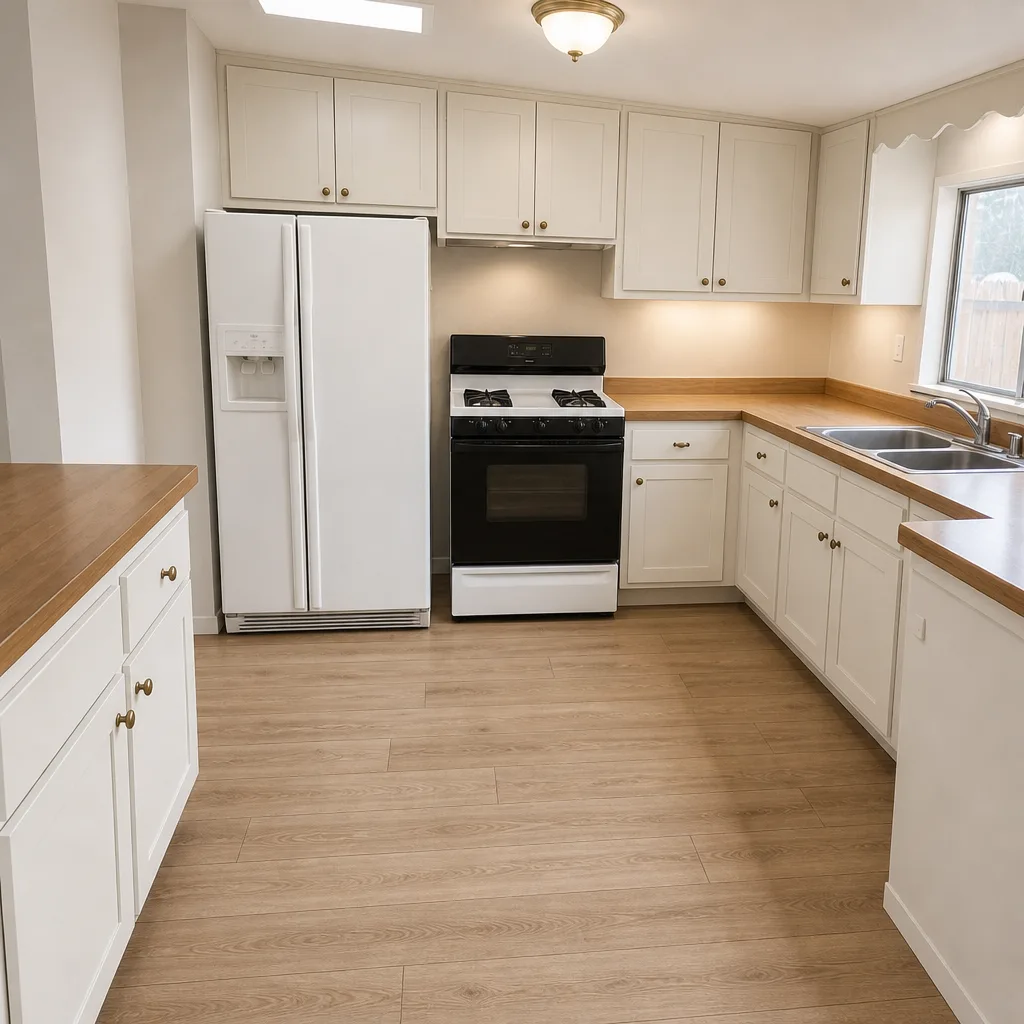 After
The Bottom Line
Construction emergencies are rarely sudden – they’re almost always a slow failure exposed by weather. In Enterprise, water is the primary threat, entering at roof flashing, window and door perimeters, and grading. Preparation looks like a documented home file, a twice-a-year inspection routine, materials specified to manufacturer standards, and a known number to call before the first bucket comes out. Enterprise Construction Co exists for exactly this: one contractor who can see all seven systems, find the actual source, and fix it under one point of contact.
Contact Enterprise Construction Co
If this guide has surfaced a concern on your property – a stain you’ve been meaning to look at, a door that won’t close tightly, a slope that seems to head toward the house – call (844) 761-9449 for a free estimate. We answer 24/7. Fast dispatch from 7am to 7pm, Sunday through Friday. We’ll walk the property, tell you what we see, and put the plan in writing before any work begins.
Written by the team at Enterprise Construction Co.