
Last updated November 17, 2026








Free written scope consultation - allowances, timeline, and change-order rules on paper before a single trade is scheduled
Construction Warning Signs: An Enterprise Homeowner’s Reference Guide
Cracks lie. Not intentionally, but they do. A hairline crack in stucco can be nothing more than a shrinkage line that’s been sitting quietly since the house was framed, or it can be the first visible sign that water is finding its way to the wire lath behind it. The two look almost identical from the driveway. That’s the problem with construction warning signs in Enterprise: the cosmetic and the serious often wear the same disguise. This guide gives you the vocabulary to tell them apart, from stucco patterns and concrete settlement to the interior clues that point back to exterior problems. By the end, you’ll know what to watch and what to hand to a professional.
Quick Answer
The construction warning signs that actually matter in Enterprise are cracks that widen over time, doors and windows that stick seasonally, concrete that rocks or drains the wrong way, and interior staining or powdery white deposits on block walls. Most cosmetic cracks are stable and cheap to monitor; the signs that move, spread or let water in are the ones worth a contractor’s eyes. Our technicians have up to 10 years of experience reading these patterns, and the difference between a $200 patch and a much larger repair is almost always how early someone looks.
Styles & brands we work with
- Kitchen remodeling
- Bathroom remodeling
- Home additions & ADU
- Roofing
- Windows & doors
- Driveway & pavers
- Fence
Table of Contents
- Stucco Cracking Patterns: What’s Cosmetic and What’s Structural
- Concrete Flatwork Warnings on Caliche-Heavy Soils
- Interior Signs of Exterior Problems
- Roofing Red Flags You Can See From the Ground
- DIY Monitor vs. Call a Contractor Today: A Decision Framework
- The Seasonal Timing That Shapes Enterprise Construction
- Common Mistakes to Avoid
- Frequently Asked Questions
Stucco Cracking Patterns: What’s Cosmetic and What’s Structural
Most stucco cracks in Enterprise are shrinkage cracks, and they’re a normal part of how cement-based finishes cure. They’re narrow, they run in short random directions, and they don’t change width over the seasons. The cracks that deserve a closer look are the ones that behave differently: they run long and straight, they follow the corners of windows and doors, or they widen and narrow with the temperature swings of the desert.
Here’s the visual vocabulary that separates the two.
- Shrinkage cracks: hairline width, map-like or spiderweb pattern, usually on large wall fields away from corners. They stay the same width year after year.
- Stair-step or diagonal cracks: run at an angle from window or door corners. On block walls, they follow the mortar joints. These can signal movement in the foundation or framing.
- Cracks that widen and narrow: seasonal movement, often tied to soil expansion and contraction under a slab. Worth tracking with a pencil mark and date.
- Cracks with rust staining: water has reached the wire lath or fasteners behind the stucco. This is the pattern that turns a small repair into a much bigger one.
The reason stucco matters so much in Enterprise is the monsoon season. A crack that stays dry through nine months of the year becomes a channel for driven rain in July and August. Once water gets behind the stucco and reaches the lath, the repair scope changes entirely, and that’s before you account for the freeze risk on the occasional cold winter night. If you’re considering a full exterior refresh while addressing these cracks, our Enterprise Construction Co team handles stucco repair alongside the roofing and window work that often needs to happen at the same time.
How to inspect your stucco
- Walk the perimeter in daylight with the sun raking across the wall. Low-angle light makes cracks visible that you’d miss at noon.
- Photograph any crack you find with a coin taped next to it for scale.
- Mark the ends of the crack with a pencil and date the photo. Check it again after the next season change.
- Press a fingernail into the stucco around the crack. If it’s hollow or crumbles easily, water has likely already gotten in.
- Note any rust stain, bubbling, or soft spot and treat it as a call-a-contractor item, not a watch item.
Concrete Flatwork Warnings on Caliche-Heavy Soils
Enterprise sits on some of the most unforgiving soils in the valley. Caliche, that cemented calcium carbonate layer that forms underground in arid climates, behaves like a rock shelf in some spots and crumbles into powder in others. Driveways, patios and walkways poured over it settle in patterns that are predictable once you learn to read them.
The three warning signs that matter most:
- Rocking pavers or slabs. If a paver or slab rocks when you step on it, the base under it has moved. On caliche, that often means a soft spot where moisture has pooled and undermined the compacted base. A single rocking paver is a small repair. A whole section of driveway rocking in the same pattern points to a base problem underneath.
- Settlement patterns. Uneven settling, especially along the edges of a driveway or where it meets the garage slab, shows up as stair-step cracks or a visible dip. If the dip holds water after a monsoon storm, it’s actively getting worse.
- Drainage reversal. Water should always run away from the house. If your driveway or patio now slopes back toward the foundation, the pitch has changed. This is one of the most consequential warning signs because it accelerates every other problem: foundation movement, stucco cracking, and efflorescence on the interior. Our driveway & pavers team can re-grade and re-set a failing section with a proper compacted base underneath.
One thing we explain to homeowners again and again: concrete doesn’t fail overnight. It telegraphs. The hairline crack in year three becomes the rocking slab in year eight becomes the drainage reversal in year twelve. Catching it at the crack stage is almost always the least disruptive path. Ask any contractor you hire to show you the base prep they’re using, not just the finish. A paver laid on inadequate compacted base will fail no matter how good the paver is.
Interior Signs of Exterior Problems
Some of the clearest warnings appear inside the house, and most homeowners don’t connect them to the exterior. The three most common we see in Enterprise homes are seasonal sticking doors, efflorescence on interior block walls, and drywall cracks at window and door corners.
Doors and windows that stick seasonally. A door that swells in summer and swings free in winter is a door reacting to humidity. Not a structural issue. A door that sticks at the top corner in a consistent direction, especially a door that has been re-hung or planed once already, points to frame movement. If the frame is moving, the question is whether it’s just settlement or something more active underneath. Seasonal is watchable; consistent and worsening isn’t.
Efflorescence on interior block walls. That white, powdery deposit that appears on painted block is salt bloomed out of the concrete as moisture travels through it. It means water is getting into the block from somewhere, and interior block on an exterior wall is one of the most common places to see it. It is not a decorative issue. The source is usually above: a roof leak at a wall flashing, a failed window seal, or a stucco crack letting water into the wall cavity. Washing it off with a mild solution clears the surface, but the deposit coming back is the signal.
Drywall cracks at window and door corners. A diagonal crack at the corner of a window or door is classic movement at an opening. Some are harmless, tied to wood-frame shrinkage where framing meets the opening. Others point to a header that’s deflecting slightly under load. If the crack is on a wall with a block exterior, it’s worth comparing the interior and exterior patterns: matching diagonal cracks on both sides of the wall mean the movement is real and runs through the whole assembly.
What ties all three together is that the fix is almost never inside the house. Patching interior drywall over an active exterior moisture source just hides the problem until the next monsoon.
Roofing Red Flags You Can See From the Ground
You don’t need to get on the roof. The most important red flags in Enterprise are visible from the yard, the driveway, or with a pair of binoculars from a safe distance. The two roof types we work with most here are flat modified bitumen roofs (common on older homes and additions) and low-slope tile roofs (common across the newer subdivisions).
On flat modified bitumen roofs:
- Alligatoring or visible cracking in the surface layer, especially along the seams
- Sagging between joists, visible as a low line or dip along the roof edge
- Ponding after a storm that hasn’t drained within a day
- Blistering or bubbling, which looks like small raised pimples
- Granule loss showing as bare black patches near the edges
On low-slope tile roofs:
- Missing or slipped tiles, especially after a windstorm
- Visible underlayment showing through at the ridge or valley
- Broken tile pieces in the gutter or on the ground below
- Peeling or weathered paint on fascia and soffit, a sign of chronic water tracking
- Tiles that look out of alignment compared to neighboring homes on the same block
One ground-level check many homeowners miss: look for daylight coming through the roof deck from the attic side. Any pinhole of daylight is a direct leak path during monsoon rain. Matching shingle or tile color from the ground helps too, but remember we don’t recommend climbing up yourself to inspect. Heights are a genuine safety risk, and a trained roofer is the correct person to walk the deck. If you see water stains on interior ceilings or on the block walls under the roof line, treat that as a today call, not a weekend project. Our roofing work is built to GAF, CertainTeed and Owens Corning spec, and we specify those systems because the manufacturer warranty and installation standards protect you.
DIY Monitor vs. Call a Contractor Today: A Decision Framework
Not every warning sign needs a phone call. The framework below is how our team sorts them when we’re talking with homeowners, and it works on almost any sign you’ll encounter.
- Is water actively getting in? Staining on a ceiling, water dripping, soft drywall, or a rust stain on stucco. If yes, call today. Water damage compounds fast in a climate where a single monsoon storm can drop an inch in an hour.
- Is the sign moving or spreading? Take photos now, compare in 30 days. If a crack has widened or a door has gotten stickier, it’s not stable. Call for an inspection.
- Is the sign only cosmetic and stable over a year? A hairline stucco crack, a slight paint blush at a corner, a small dip in a walkway. Keep an eye on it, take photos at each season change, and re-check before monsoon.
- Is it a safety issue? A sagging roof line, a loose tile field above a walkway, a visibly rocking paver near a step, or an electrical issue noticed during any of the above. Safety items jump straight to today.
- Is it a big-ticket scope question? A whole-section concrete settlement, extensive stucco delamination, or roof replacement. These aren’t emergencies, but they deserve a real estimate so you can plan. That’s where we come in.
The category most homeowners get wrong is #1. Water damage to the interior of a wall rarely announces itself loudly. By the time a ceiling stain is visible, the moisture has usually been tracking for weeks. If you see it, don’t wait for the next storm to confirm.
Enterprise Construction Co offers free written, line-item estimates on any of these scopes. If you’re planning multiple improvements at once, it’s worth knowing that we handle all seven service lines under one project manager, from fence installation to home additions & ADU work. One point of contact, one warranty conversation.
The Seasonal Timing That Shapes Enterprise Construction
Warning signs in Enterprise behave on a calendar, and knowing it changes when you look. The monsoon months of July through September are when most water-related damage accelerates. Winter cold snaps, short as they are, freeze the water that got into cracks over the summer. Spring is when the damage from both becomes visible on the interior. The high-heat weeks of June are when concrete and asphalt flatwork are most likely to show fresh settlement because the soil below has dried and shrunk.
If you want a practical inspection rhythm:
- Before monsoon (May-June): Walk the exterior, photograph stucco cracks, check drainage pitch, look at roof edges and gutters. Fix what you can before the rain starts.
- After monsoon (October): Re-walk the same route. Compare photos. Look inside at ceilings and interior block walls for new stains or efflorescence.
- After the first cold snap (December-January): Check for new stucco cracks, watch doors and windows for seasonal sticking, and look at the driveway for new rocking or cracking.
One local wrinkle worth knowing: on the newer subdivisions in Enterprise, homes built on cut-and-fill lots can settle differently than older homes on undisturbed soil. The cut side often shows different crack patterns than the fill side. If your neighbor’s identical plan has different cracks than yours, that’s not unusual and it’s a useful comparison.
Common Mistakes to Avoid
- Patching a crack without addressing the source. Skim coating over a stucco crack that’s tracking water to the lath hides it for one season and makes the eventual repair bigger. Find the water source first.
- Laying new pavers or concrete over failed base. A new paver over a soft caliche base will rock within a season. Base prep is the job; the finish is the easy part.
- Ignoring interior efflorescence as a paint problem. White powder on an interior block wall is a symptom of moisture from somewhere above or outside. Repainting over it locks the water into the wall.
- Confusing seasonal door sticking with a settling foundation. Seasonal is normal in this climate. Persistent and worsening deserves an inspection. Re-hanging or planing the door a second time is a red flag that the frame, not the door, is moving.
- Climbing on the roof to inspect yourself. Tile roofs are slippery and brittle, and modified bitumen gets soft in summer heat. Use binoculars from the ground or call a roofer for a proper inspection.
- Waiting for “next year” on drainage reversal. Water running toward the foundation does more damage in one monsoon than most homeowners realize. It’s a today call once confirmed.
- Hiring one trade at a time and hoping they talk to each other. When stucco cracks, roof edges fail, and drainage reverses at the same time, the fixes overlap. Coordinating three separate contractors often adds cost and delays, and it leaves the handoff between trades unaddressed.
See the difference
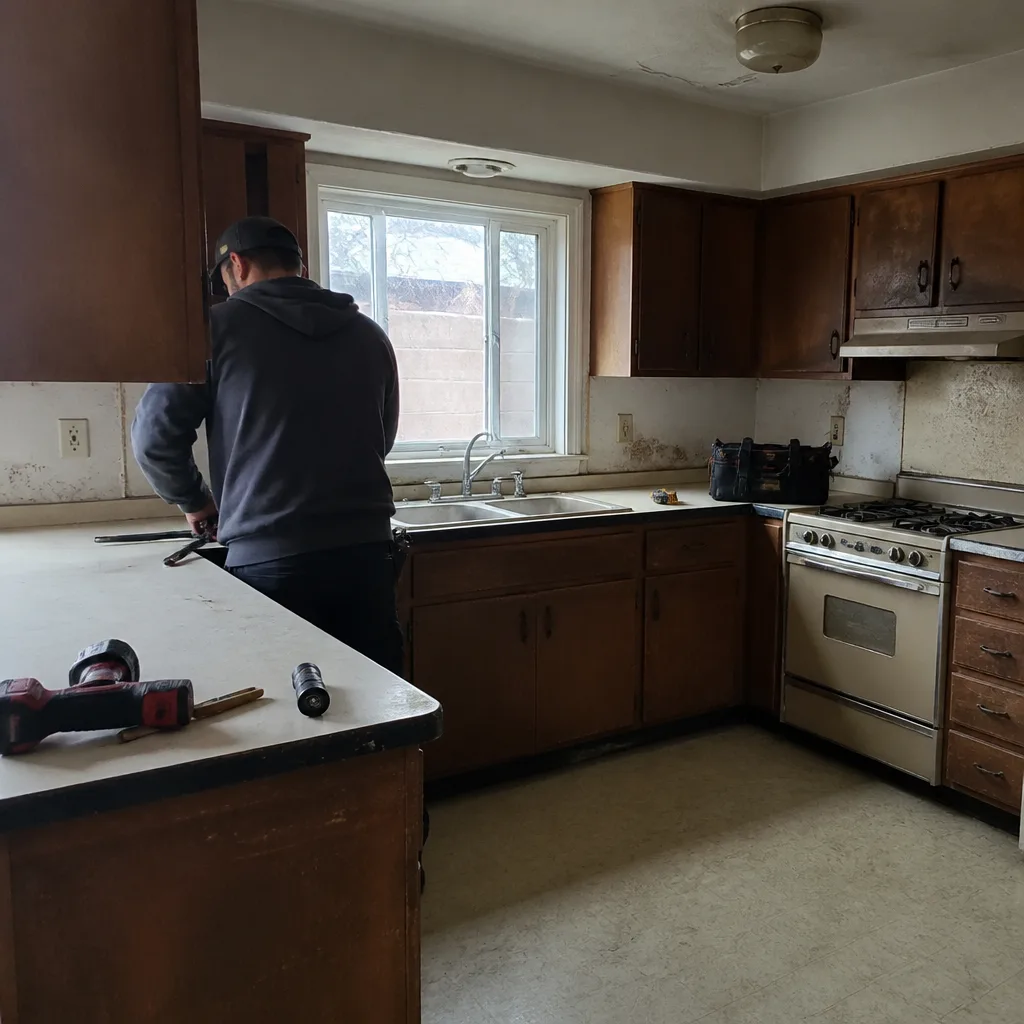 Before
 After
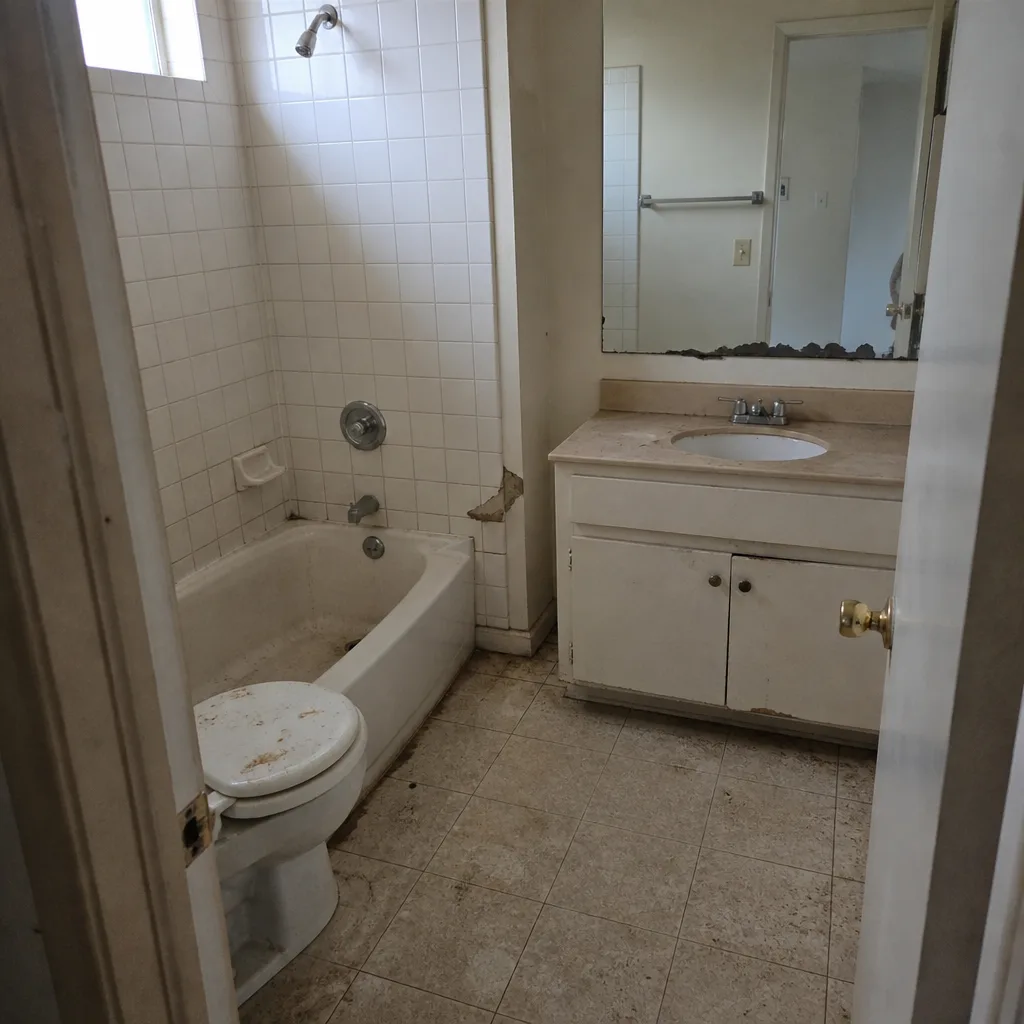 Before
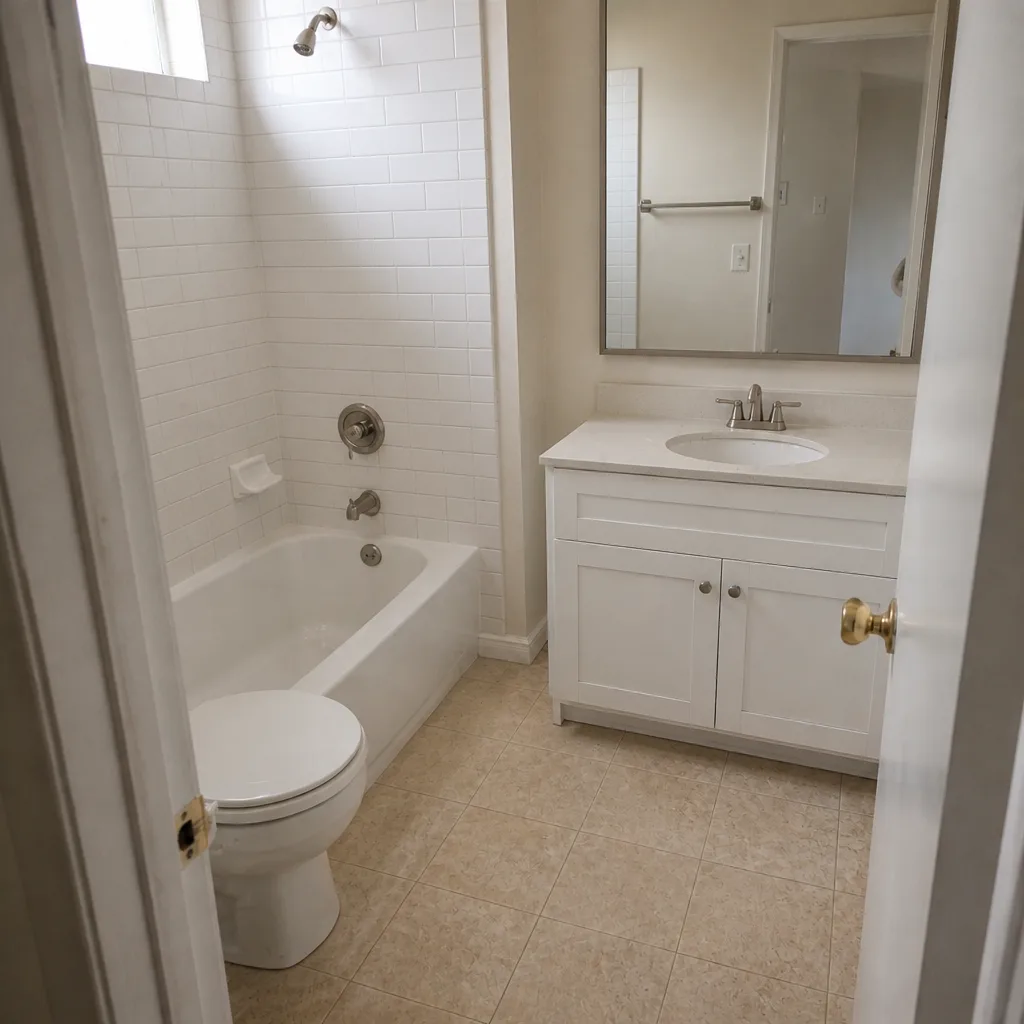 After
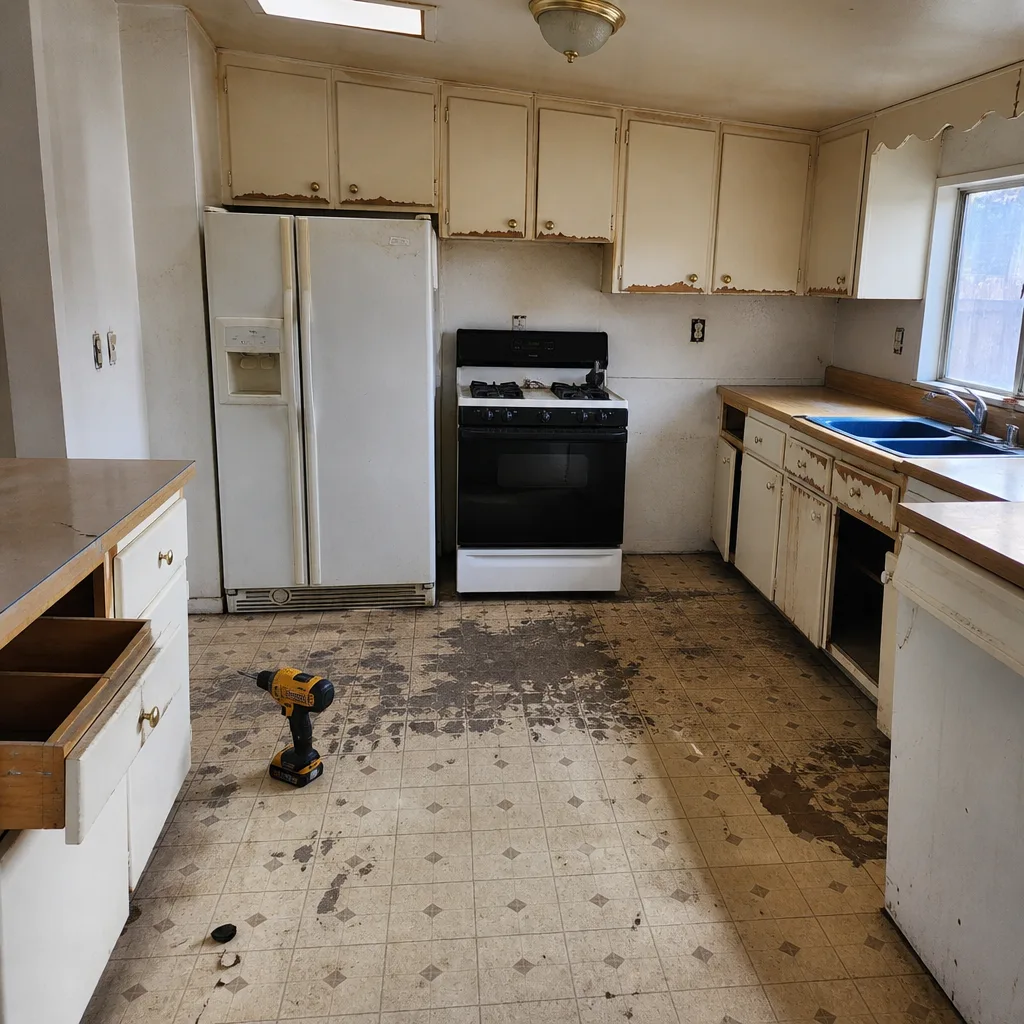 Before
 After
When to Call a Professional

Call a contractor today if water is actively entering the home, if any roof line is sagging, if stucco is soft or rust-stained, or if the drainage around your foundation has reversed. Call for a planned estimate if you’re seeing widening cracks, extensive stucco delamination, whole-section concrete settlement, or a roof that’s showing multiple warning signs at once. Cosmetic hairline cracks that are stable over a year are the ones you can monitor yourself with photos and date markings.
Enterprise Construction Co offers free estimates in Enterprise. Call (844) 761-9449. We answer 24/7. Fast dispatch from 7am to 7pm, Sunday through Friday. Our team can inspect a single warning sign or scope a full-property upgrade across roofing, windows, kitchen, bath, additions, fencing or pavers, with one project manager and one warranty conversation.
Frequently Asked Questions
Yes, most hairline stucco cracks in Enterprise are normal shrinkage cracks and are not a structural concern. They’re widest right after the stucco cures and then stabilize. The ones to watch are the ones that widen, run diagonally from window corners, or show rust staining. Call (844) 761-9449 for an inspection if yours looks like that second group.
Rocking slabs or pavers, visible settlement dips that hold water, and drainage reversing toward the garage are the three strongest signs. On caliche-heavy soils around Enterprise, all three usually trace back to base compaction. If any of them are present, a contractor can verify the extent with a site visit. Estimates are free, so call (844) 761-9449.
White powdery deposits on an interior block wall are efflorescence, and they mean moisture is moving through the block. The source is usually outside the wall: a roof leak, a failed window seal, or a stucco crack letting water into the cavity. Washing it off is temporary; a proper inspection is what determines the real fix.
Yes, when practical. Monsoon-season rain in Enterprise is what turns a small stucco crack or drainage issue into interior damage. If you find a warning sign in the spring, addressing it before July gives the repair time to cure. If you find it mid-monsoon, call rather than wait.
Yes. Enterprise Construction Co manages roofing, windows & doors, kitchen, bath, additions & ADU work, fencing, and driveway & pavers under one project manager. That matters when warning signs cross trades; a roof leak showing up as interior efflorescence plus a drainage reversal is one scoped project, not three separate contractors.
Shrinkage cracks are surface-only, hairline, and stable. Foundation cracks run in straight or stair-step patterns, often wider at one end, and change width with the seasons. Interior drywall cracks at window corners that match exterior stucco cracks on the same wall are the clearest sign the movement runs through the whole wall assembly. If you see that pattern, call (844) 761-9449 for an inspection.
Yes, and reading them properly matters. Prefab systems from manufacturers like Dvele, Mighty Buildings, Boxabl and Plant Prefab arrive with their own site-prep and foundation requirements, and the warning signs to watch after installation are tied to that specific system. We work with both prefab and conventional builds, so we can help you sort out which warning signs are universal and which are specific to your ADU platform.
The Bottom Line
Most construction warning signs in Enterprise are readable from the ground with the right vocabulary. Stable hairline cracks are watchable; cracks that move, cracks that leak, cracks that track water to the lath behind them are not. Concrete on caliche soils telegraphs failure through rocking pavers, settlement dips and drainage reversal. Interior clues like seasonal sticking doors, efflorescence on block and drywall cracks at window corners point back to exterior problems you already suspected. The seasonal inspection rhythm before and after monsoon is the cheapest insurance you can put on your home. When water is getting in, when the sign is moving, or when the scope crosses multiple trades, get a professional look before the next season. Our technicians have up to 10 years of experience reading these patterns across Enterprise.
Contact

If this guide got you out into the yard with a pencil and a phone camera, the next step is a free written estimate. Call Enterprise Construction Co at (844) 761-9449. We answer 24/7. Fast dispatch from 7am to 7pm, Sunday through Friday. Whether you’re looking at a single crack, a settling driveway, or a full-property scope that touches roofing, windows, kitchen, bath, additions, fencing and pavers, one project manager handles it from the first walkthrough to the warranty walk. The estimate is free, line-item and written, with fixed pricing and no change orders once the scope is set.
Written by the team at Enterprise Construction Co.