
Last updated November 17, 2026








Free written scope consultation - allowances, timeline, and change-order rules on paper before a single trade is scheduled
Construction Permits, Codes & Inspections in Enterprise, NV: What You Need to Know
If your contractor pulls a City of Las Vegas permit for your Enterprise address, the inspection will fail before it starts. It’s the wrong jurisdiction, and it happens more than it should. Enterprise sits in unincorporated Clark County, which means the Clark County Building Division – not Las Vegas, not Henderson – signs off on your roof, your addition, your block wall, and your paver driveway. This guide breaks down which projects need a permit and which are exempt, how HOA architectural approval runs alongside county permitting, what Nevada’s Title 40 owner-builder exemption actually allows, the inspection stages Clark County checks, and how unpermitted work comes back to bite you at resale. If you’re building or remodeling in Enterprise, read this before you sign anything.
Quick Answer
In Enterprise, NV, construction permits are issued by the Clark County Building Division because Enterprise is an unincorporated community, not part of the City of Las Vegas or Henderson. Most structural, electrical, plumbing, and mechanical work requires a county permit and inspections, while cosmetic work like paint, flooring, and cabinet refacing is generally exempt. HOAs add a separate architectural approval layer that runs in parallel with the county permit, and both must be secured before work begins.
Styles & brands we work with
- Kitchen remodeling
- Bathroom remodeling
- Home additions & ADU
- Roofing
- Windows & doors
- Driveway & pavers
- Fence
Table of Contents
- Why Enterprise Has Its Own Permitting Jurisdiction
- Which Projects Require a Clark County Permit
- What’s Exempt From Permitting
- HOA Approval vs. County Permit: The Sequence That Matters
- Nevada’s Title 40 Owner-Builder Exemption
- Inspection Stages for Common Enterprise Projects
- Unpermitted Work and Resale in Nevada
- How to Choose a Contractor for Enterprise Work
Why Enterprise Has Its Own Permitting Jurisdiction
Enterprise is one of Clark County’s largest unincorporated communities, and that status shapes everything about how construction is reviewed here. Because Enterprise has not been annexed into the City of Las Vegas or the City of Henderson, the Clark County Building Division is the authority having jurisdiction over building permits, plan review, and inspections for most addresses in the community.
This trips up homeowners and out-of-area contractors constantly. A contractor who works mostly inside Las Vegas city limits may pull a city permit out of habit. That permit is invalid for an Enterprise address. The county inspector shows up, sees the wrong jurisdiction on the paperwork, and the inspection fails before anyone looks at the work. The fix means a new permit, a new fee, and lost weeks.
Here’s how to confirm you’re in the right jurisdiction:
- Look up your parcel on the Clark County Assessor’s site to confirm the address sits in unincorporated county territory.
- Check whether your subdivision falls under county jurisdiction or an annexed city boundary – most of Enterprise does, but pockets near the 215 and the airport can surprise you.
- Ask your contractor, in writing, which jurisdiction they’re pulling the permit from.
- Confirm the permit number and issuing authority before any work starts.
Get this wrong and everything downstream shifts: the inspection calendar, the plan review queue, the final sign-off you’ll need years later when you sell. In Enterprise, the county is the gatekeeper, and starting with the right authority is the first thing we confirm on any project.
Which Projects Require a Clark County Permit
Most work that touches structure, systems, or safety needs a Clark County Building Division permit. That includes new construction, additions, roof replacements in many cases, electrical and plumbing changes, and any wall or fence above a certain height. Cosmetic work generally does not. The dollar threshold question comes up constantly, and the honest answer is that Clark County reviews permits by scope and life-safety impact more than by a single dollar cutoff – so don’t assume a job under a certain price is automatically exempt.
Here’s the practical breakdown of what typically requires a county permit:
- Room additions and new square footage – always permitted, with plan review and multiple inspections.
- Accessory dwelling units (ADUs) – permitted, including prefab and modular units, which still need foundation, utility, and siting review.
- Roof replacements – a full tear-off and re-roof of a residential structure typically needs a permit, and the inspection confirms the decking, underlayment, and flashing detail that desert wind and summer heat punish.
- Window and door replacements – structural changes to openings need a permit; like-for-like swaps depend on the scope and egress requirements.
- Electrical, plumbing, and mechanical work – permitted whenever new circuits, new supply or drain lines, or new HVAC equipment are involved.
- Block walls and fences above the height threshold – walls over six feet and any retaining wall above the exemption height generally need a permit, and wind loading on a solid block wall in Enterprise is not a formality.
- Concrete flatwork and paver driveways – structural flatwork and driveway approaches usually require a permit tied to grade and drainage.
- Kitchen and bathroom remodels – permitted when you move plumbing, add circuits, or change structural elements; cosmetic refreshes usually are not.
If you’re weighing a paver driveway or hardscape project, it’s worth reading our page on driveway & pavers before you start, since flatwork permitting runs alongside the drainage review.
What’s Exempt From Permitting
Cosmetic and non-structural work is generally exempt from a Clark County permit, which is why paint, flooring, and cabinet refacing move fast. The trap is when “cosmetic” slides into “structural” without anyone pulling paper – moving a wall, relocating a gas line, cutting a new window opening. Those cross the line and need a permit.
Work that typically does not require a county permit in Enterprise:
- Interior and exterior paint.
- Flooring installation over an existing subfloor.
- Cabinet refacing and countertop swaps that don’t touch plumbing or electrical.
- Like-for-like fixture replacement – a faucet, a toilet, a light fixture on an existing circuit.
- Landscaping and irrigation in the yard, absent structural retaining walls.
- Fence sections below the height threshold, subject to HOA rules (see below).
The exemption is not a license to skip HOA approval. Even fully exempt cosmetic work can violate a community’s architectural standards, and the HOA fine lands regardless of whether the county cared. When in doubt, ask the Building Division in writing – a five-minute question beats a failed inspection or a stop-work order.
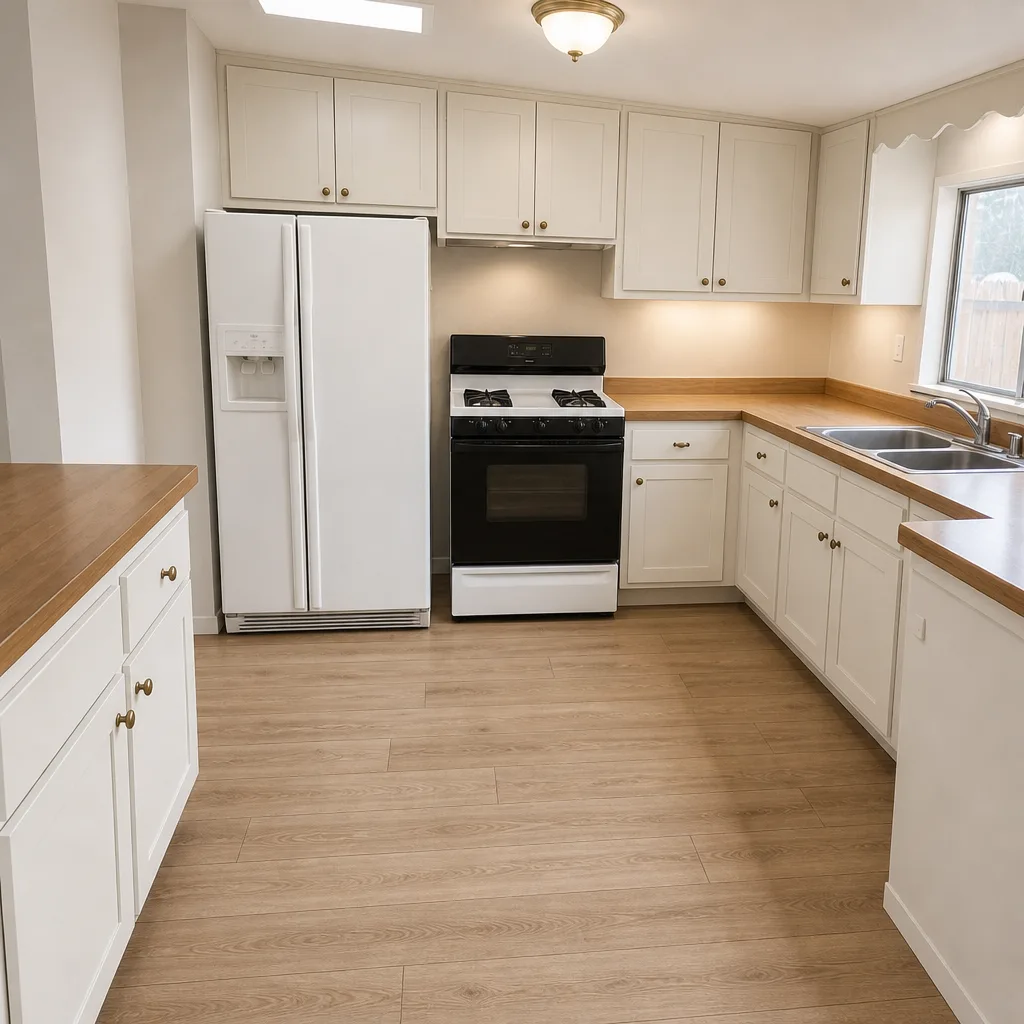
Our kitchen and bath projects follow this line closely. We look at whether the scope moves plumbing or electrical before we tell a client what’s permitted, and we tell them plainly when a “refresh” is really a permit job.
HOA Approval vs. County Permit: The Sequence That Matters
Enterprise has a lot of HOA-governed subdivisions, and the biggest confusion we see is homeowners treating HOA approval and county permit as a single step. They’re not. They’re independent requirements, and the sequence matters: in most cases you secure HOA architectural approval first, then pull the county permit, because the county wants the project scope to match what your community has already signed off on.
Here’s the order we follow on Enterprise projects:
- Confirm both authorities. Know your HOA’s architectural review committee and confirm the address is in Clark County jurisdiction.
- Submit to the HOA first. Provide drawings, material specs, and colors. Approvals can take weeks, and the review board often has opinions about roof color, fence height, and driveway material.
- Pull the county permit with the HOA-approved scope. The permit scope and the HOA-approved drawings should match exactly – a mismatch between them is a red flag either authority will catch.
- Build, inspect, and collect sign-offs from both. The county final inspection and the HOA completion walk are separate events.
Why does this matter enough to put in a guide? Because a homeowner who builds first and seeks HOA approval after is exposed to fines, forced removal, and county re-review. And because material choices that seem trivial to the county matter enormously to an HOA. That’s why we specify brands like Tremron and Techo-Bloc for driveways and Belgard for walls – not just because they hold up in desert sun, but because their product lines give you documented options that clear architectural review. If you want to sort out sequence before you commit, the smart move is to plan the whole property at once with a firm that handles multiple trades, which is exactly what we do. If you’re adding square footage, explore how home additions and ADUs slot into this approval chain.
Nevada’s Title 40 Owner-Builder Exemption
Nevada Revised Statutes Chapter 40 (Title 40, the “Contractor’s License” chapter) controls who can legally perform construction for money in this state – and the owner-builder exemption lets a homeowner do their own work on their own residence without a contractor’s license. It exists and it’s legitimate. But the liability it doesn’t discharge is where homeowners get hurt.
What the owner-builder exemption actually allows, in plain terms:
- A homeowner may act as their own contractor and, in some limited cases, hire subcontractors under their own supervision, when the work is on their own residence.
- The work still needs the required county and HOA approvals. The owner-builder route doesn’t exempt you from a permit.
- The exemption is personal. It doesn’t let you build for others, and it doesn’t transfer to a buyer who files a complaint later.
The exposure is real. What a licensed contractor absorbs – compliance with code, warranty obligations, workers’ injury exposure on site, and the consumer protection teeth in Nevada contractor law – the owner-builder takes on personally. If something fails or an injury happens on site, the homeowner can be on the hook.
When a client asks us about owner-builder, we answer directly: it saves on paper and shifts risk onto you. For anything structural, electrical, or gas, we don’t recommend it, and we don’t run it. High-tension work, gas lines, and full electrical panel changes are not DIY territory – those belong to trained, licensed professionals, and a mistake there is a real hazard to you and your family. For the cosmetic refreshes and minor work inside the exemption’s spirit, the math sometimes favors doing it yourself.
Inspection Stages for Common Enterprise Projects
Clark County inspections follow a sequence tied to your project type, and knowing the stages ahead of time keeps the calendar moving. For most Enterprise residential work, plan on three to five inspections from demolition through final. Here’s how the common project types break down.
Room additions and ADUs: foundation and footer first, then framing and rough-in (electrical, plumbing, mechanical), then insulation and drywall, then final. Egress windows and smoke/CO detection get checked at framing and final. Prefab ADU manufacturers – Abodu, Dvele, Boxabl, Mighty Buildings – still need foundation, utility, and siting review; the factory build doesn’t bypass the county.
Concrete flatwork and paver driveways: subgrade and form inspection before pour or base prep, then final after compaction and finish. Drainage and grade tie into the approach review.
Block walls and fences: footing and reinforcement inspection before block-laying, then final for height, cap, and wind-load detailing.
Roof replacements: a permit followed by a final inspection that checks deck integrity, underlayment, flashing, and attachment. Desert summer heat accelerates sealant and flashing failure, so we install to manufacturer spec – GAF, CertainTeed, Owens Corning – which is what the inspection is really verifying.
The most-flagged issues we see in Enterprise are missed rough-in inspections before drywall, deck attachment and flashing on roofs, and drainage/grading on flatwork. Every one of those is avoidable when the contractor builds a clean inspection calendar before breaking ground.
Unpermitted Work and Resale in Nevada
Unpermitted work doesn’t stay quiet. Nevada’s seller disclosure requirements mean you must disclose known unpermitted construction when you sell, and buyers’ inspections and appraisers catch what wasn’t permitted with regularity. A finished garage conversion that never had a county permit can’t be counted as living area by an appraiser, which lowers the appraised value your buyer’s lender will lend against.
Unpermitted work can surface in four ways at resale:
- A buyer’s home inspector notices wiring, plumbing, or structural work that doesn’t match county records.
- An appraiser conducts a records check at the Clark County Assessor and county building department.
- A buyer’s agent requests permit history – a standard ask in the current market.
- An HOA completion record comes up empty, triggering review on a covered patio or fence.
The remedy is usually to permit the work retroactively: a “during construction” permit with the county, drawings to match what was built, and inspections. Sometimes it’s simpler to remove the unpermitted work. Either way, disclosing and fixing on your schedule is far cheaper than a renegotiation or a failed closing.
Our approach on any remodel is straightforward: we permit the scope correctly the first time, pull from the Clark County Building Division, and pass every inspection. What you save by skipping the permit, you pay for when you sell – and usually a lot more.
How to Choose a Contractor for Enterprise Work
The right contractor for Enterprise work knows the jurisdiction cold, plans the HOA and county sequence, and connects the whole project under one point of contact. Here’s how to evaluate one:
- Ask which authority they pull from. If they say City of Las Vegas or Henderson for an Enterprise address, that’s a signal they don’t work this jurisdiction regularly.
- Ask about HOA sequencing. A contractor who plans the county permit first and the HOA second has the order wrong.
- Ask about inspection stages in writing. A clean project has a written inspection calendar before demo.
- Check the trades covered. Multi-trade projects – a roof, a kitchen, and a paver driveway on the same property – benefit enormously from one point of contact and one warranty conversation.
- Confirm brand and installation spec. A contractor who installs to manufacturer spec (James Hardie, Therma-Tru, Schluter, GAF) is building to a standard you can verify.
- Confirm licensing and insurance. Ask the question directly. Don’t rely on a handshake.
That last point is where our model pays off. Enterprise Construction Co connects homeowners with licensed, insured local professionals across seven service lines – roofing, windows and doors, kitchen, bath, home additions and ADUs, fencing, and driveway and pavers – one contractor from driveway to rooftop, one warranty conversation. Our technicians have up to 10 years of experience, and our work as a multi-trade firm is to absorb the complexity of jurisdictional, HOA, and inspection coordination so you don’t have to. Whether you’re adding square footage or updating a single room, that single point of contact is the thing that keeps the inspection calendar clean.
Common Mistakes to Avoid
- Pulling a City of Las Vegas or Henderson permit. Enterprise is unincorporated Clark County; the wrong jurisdiction fails inspection before it’s looked at. Always confirm the issuing authority matches your address.
- Seeking HOA approval after building. Architectural review comes first, then the county permit matches the approved scope. Building first invites fines, forced removal, and a stop-work order.
- Treating dollar thresholds as a permit waiver. Clark County reviews scope and life safety, not just a price tag. A low-cost electrical or plumbing change still needs a permit.
- Using the owner-builder exemption for structural or gas work. The exemption shifts liability to you, and it doesn’t excuse you from permitting. High-tension doors, gas lines, and panels belong to trained professionals.
- Skipping rough-in inspections. Drywalling over un-inspected electrical or plumbing is the single most common cause of a failed final and a re-work cycle in Enterprise.
- Assuming a prefab ADU skips the county. Modular and panelized units from Abodu, Boxabl, Dvele, and Plant Prefab still need foundation, utility, and siting review.
- Building unpermitted and hoping the buyer doesn’t notice. Nevada’s disclosure rules and appraiser records checks surface it, and the value hit lands on your sale.
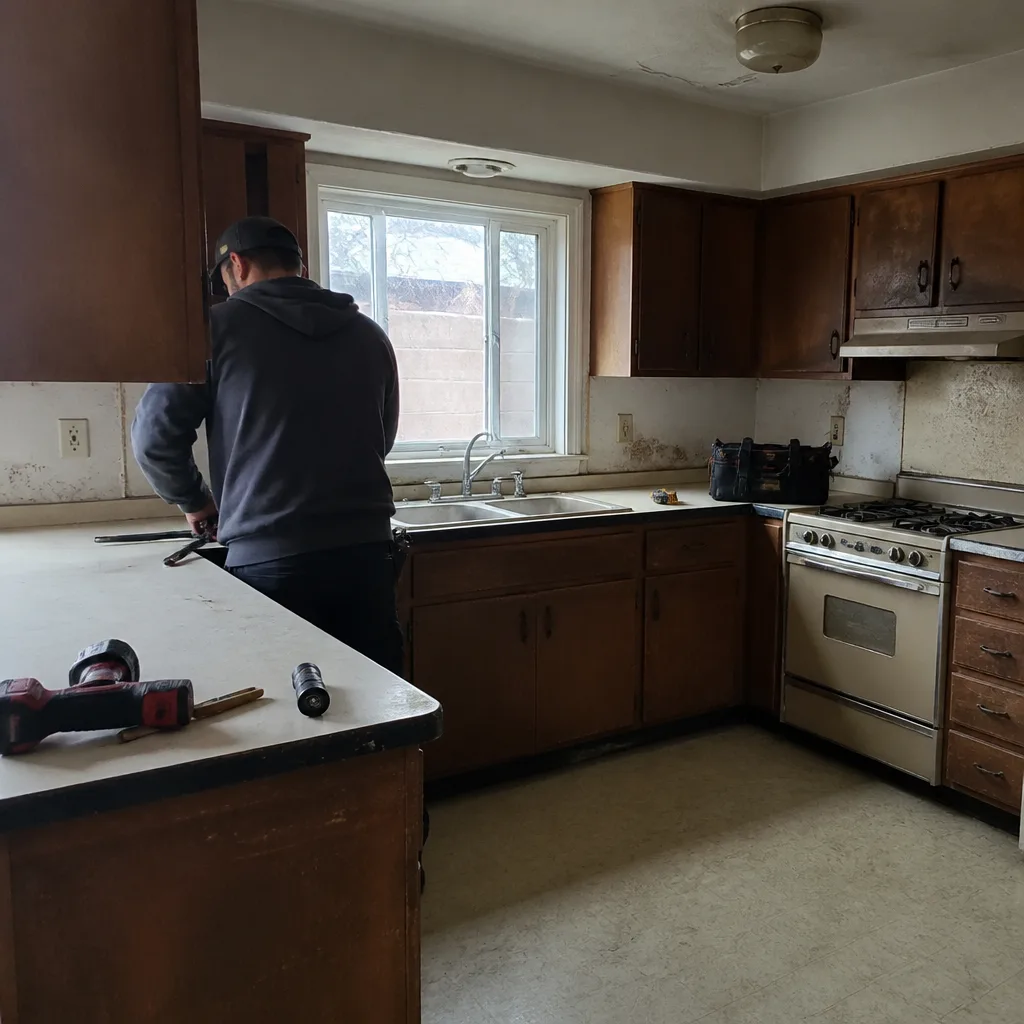
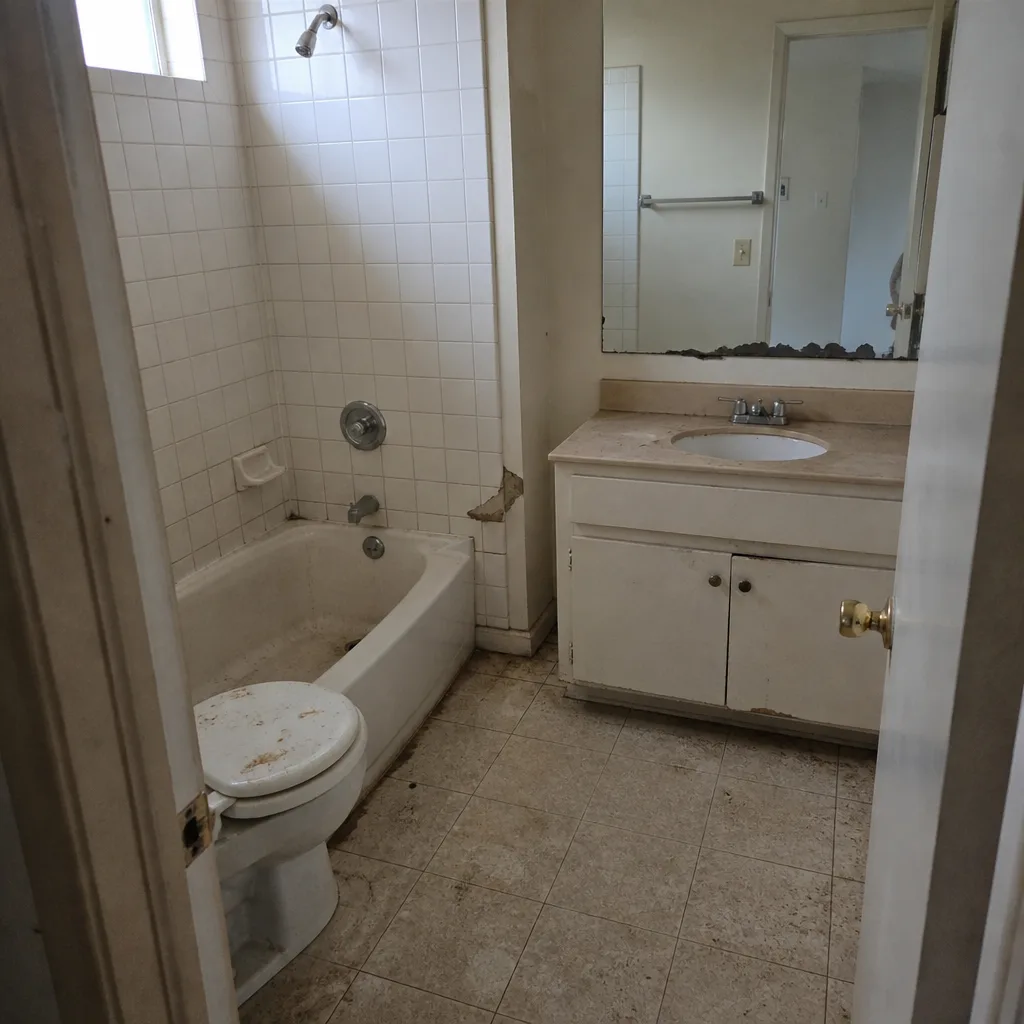
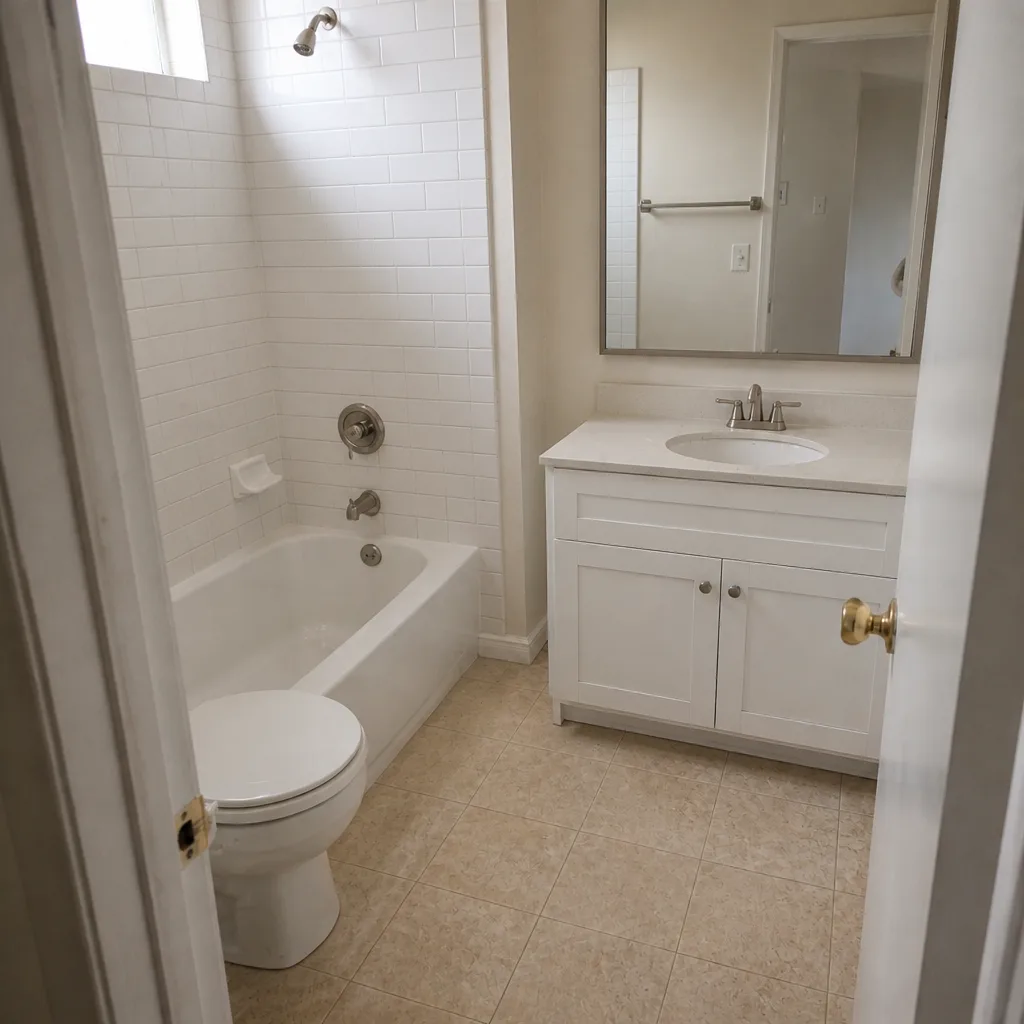
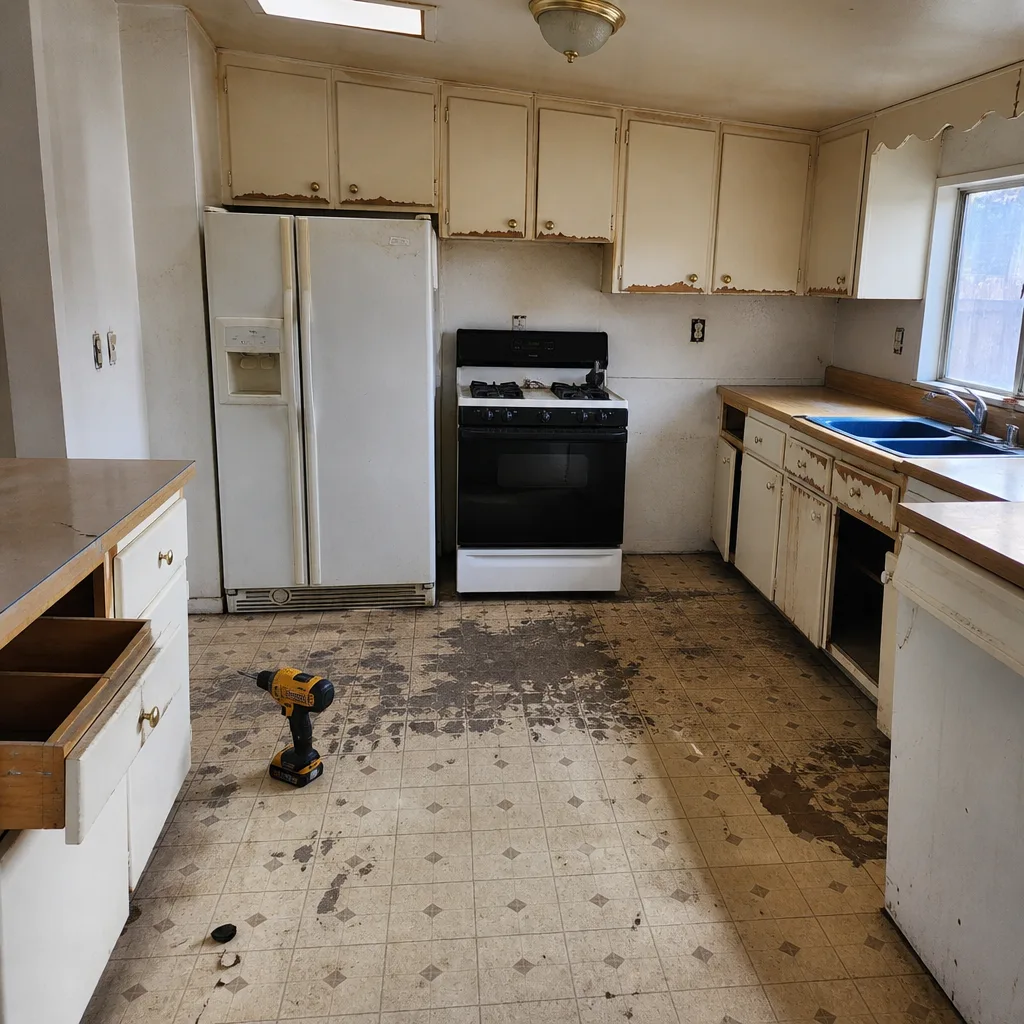
See the difference
 Before
 After
 Before
 After
 Before
 After
When to Call a Professional
Some projects you can plan and manage yourself. Others need a team that knows the jurisdiction. Call a professional when your project moves structure, power, gas, or water; when you’re replacing a roof or adding square footage; when a wall or driveway touches drainage or grade; when your HOA has architectural standards you’re not sure how to satisfy; or when you’re combining several improvements on one property and need a single point of contact instead of four. The cost of getting the sequence wrong – a failed inspection, a new permit, lost weeks – usually exceeds the cost of hiring right the first time. For structural, electrical, and gas work, we won’t watch a homeowner take on the risk alone; that’s a call that belongs with trained professionals. Enterprise Construction Co offers free estimates in Enterprise – call (844) 761-9449 to schedule yours, with a written line-item quote and the permit scope confirmed before anything starts.
Frequently Asked Questions

The Clark County Building Division issues construction permits in Enterprise, NV. Enterprise is an unincorporated community, so the City of Las Vegas and the City of Henderson are the wrong jurisdictional authority for most Enterprise addresses. Confirm your address sits in county territory before submitting, and ask your contractor which jurisdiction they’re pulling from, in writing.
Roof replacements and block walls above the height threshold generally need a Clark County permit. For a roof, the inspection confirms deck condition, underlayment, flashing, and attachment. For a block wall, footing, reinforcement, and wind-load detailing are checked. Cosmetic roofing repairs and low fence sections are usually exempt, though your HOA may still require approval – call (844) 761-9449 for an exact scope and quote.
HOA approval is a private governance requirement, and a county permit is a public construction review. In Enterprise, both are required independently, and the correct sequence is HOA architectural approval first, then the county permit matching the approved scope. Building the project before either is signed off is the single most avoidable mistake we see.
Nevada’s Title 40 owner-builder exemption lets a homeowner do certain work on their own residence without a contractor license, but it doesn’t waive the Clark County permit, the HOA review, or the liability. If the work fails or someone is injured on site, the homeowner takes on the exposure. For structural, gas, and electrical work, we recommend a licensed professional – the risk is yours, and the savings rarely outweigh it.
Nevada’s seller disclosure requirements mean you must disclose known unpermitted construction when you sell, and buyers’ appraisers and inspectors check county records. Unpermitted additions usually can’t count toward appraised living area, and the value hit lands on your sale. The usual fix is retroactive permitting – drawings to match what was built, county review, and inspections – so address it before listing, not during a closing.
Clark County plan review timelines vary by project complexity, from a few weeks for a straightforward remodel to longer for additions or ADUs with structural and utility changes. The single biggest driver of timeline is the correctness of the submittal and the HOA sequence. A clean scope and a written inspection calendar from day one – which is what we build on every project – keep the schedule moving. Call (844) 761-9449 to schedule a free estimate for exact timing on your project.
The Bottom Line
Enterprise sits in unincorporated Clark County, and the right permitting authority is the Clark County Building Division – not Las Vegas, not Henderson. Most structural, electrical, plumbing, and mechanical work needs a county permit and staged inspections. Cosmetic work is generally exempt, but the HOA review runs independently and should come first. Nevada’s Title 40 owner-builder exemption lets you do some work yourself, but the permit, the HOA approval, and the liability stay with you. Unpermitted work comes back at resale through disclosure, appraisal, and inspection records. Build with a contractor who knows the jurisdiction, plans the sequence, and connects the whole property under one point of contact. That’s what we do.
Ready to plan your project? Call Enterprise Construction Co at (844) 761-9449 to schedule a free estimate. We answer 24/7. Fast dispatch from 7am to 7pm, Sunday through Friday. We confirm the permit scope and HOA sequence before anything starts, and you get a written line-item quote with the price set per job by the written estimate. From a roof replacement to a full addition, we build to manufacturer spec and stand behind the work. If you’re planning home additions & ADU work or a new fence, see how the whole scope fits together under one contractor from driveway to rooftop. And if you want to know how we operate as a team, start with Enterprise Construction Co.
Written by the team at Enterprise Construction Co.